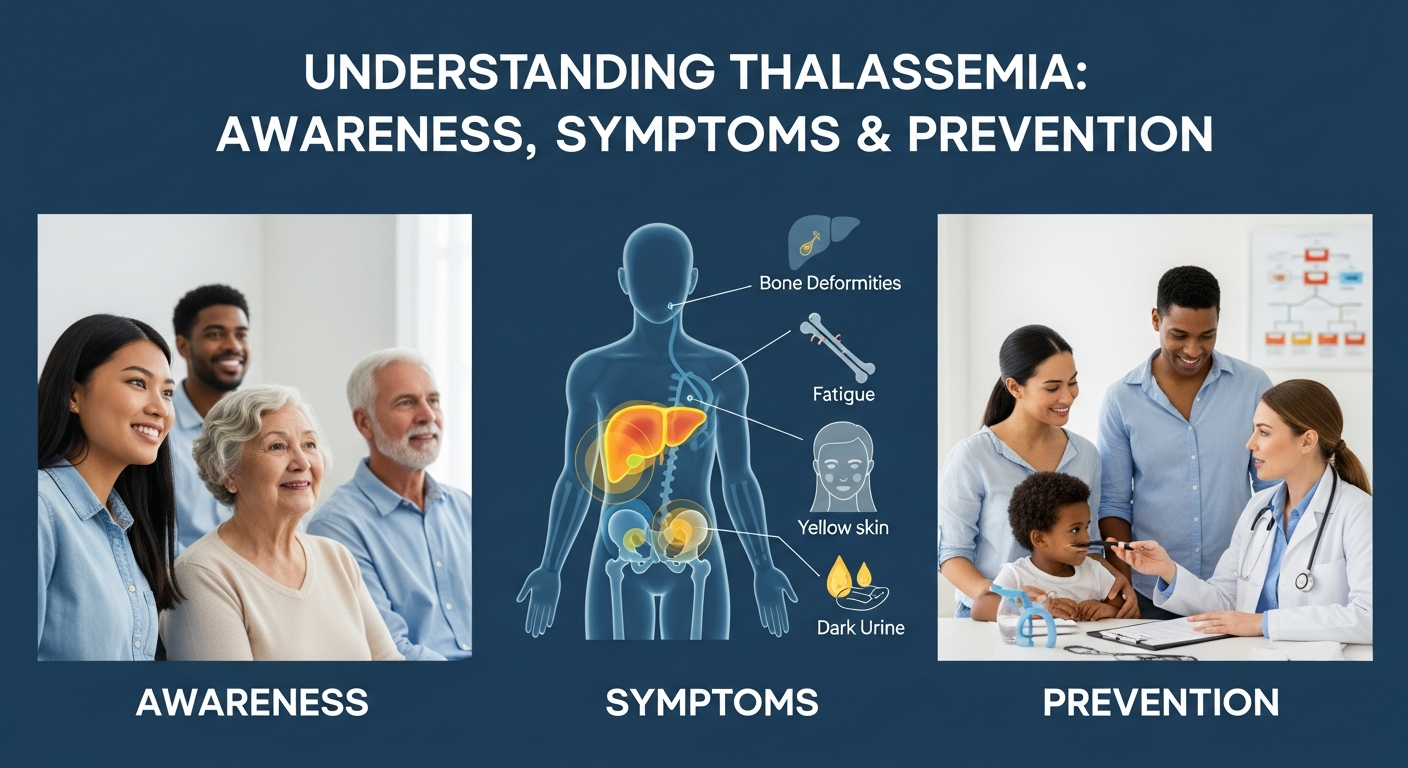
Thalassemia is a genetic blood disorder that reduces hemoglobin production, causing anemia and fatigue. Thalassemia awareness, early screening, and genetic counseling are key to prevention and effective management, improving patients’ overall quality of life.
Genetic Foundations of Thalassemia
Thalassemia arises from inherited mutations in globin genes that code for the protein chains of hemoglobin. Hemoglobin consists of two alpha and two beta globin chains. In alpha thalassemia, one or more of the four HBA1/HBA2 genes are altered, while beta thalassemia involves mutations in the HBB gene. Because inheritance follows an autosomal recessive pattern, a child must receive one defective gene from each parent to develop the disease. Carriers who inherit only one mutated gene typically remain asymptomatic or experience mild anemia, yet they can pass the mutation to offspring. This complex inheritance explains why family history and genetic counseling are invaluable for at-risk couples considering pregnancy.
The distribution of thalassemia corresponds closely to regions once plagued by malaria—such as the Mediterranean basin, parts of Africa, South Asia, and the Middle East—where carrying a single mutant gene conferred a survival advantage against the malaria parasite. DNA-based carrier screening, available through specialized laboratories or hospital genetics departments, can detect common mutations and rare variants alike. American academic centers and genetics institutes recommend premarital and early antenatal screening in high-prevalence communities. These measures help prospective parents make informed reproductive choices, including preimplantation genetic diagnosis (PGD) and chorionic villus sampling (CVS), to prevent the birth of children with severe, transfusion-dependent thalassemia.
Key Genetic Points
- Thalassemia is caused by mutations in globin genes (HBA1, HBA2, HBB)
- It follows an autosomal recessive inheritance pattern
- Carriers usually have no or mild symptoms
- Two carrier parents increase risk of affected child
- Genetic counseling is essential for prevention
Alpha vs Beta Thalassemia
| Type |
Affected Genes |
Key Feature |
Severity |
| Alpha Thalassemia |
HBA1 / HBA2 |
Reduced alpha globin production |
Can range from mild to severe |
| Beta Thalassemia |
HBB gene |
Reduced beta globin production |
Often more clinically significant |
Prevention & Screening Methods
| Method |
Purpose |
When Used |
| Carrier Screening |
Detects silent carriers |
Before marriage or pregnancy |
| Genetic Counseling |
Assesses reproductive risk |
Family planning stage |
| PGD (Preimplantation Genetic Diagnosis) |
Prevents affected embryos |
IVF process |
| CVS (Chorionic Villus Sampling) |
Detects fetal mutation |
Early pregnancy |
Thalassemia Awareness Importance
Thalassemia awareness is essential for understanding genetic risks, encouraging early screening, and promoting preventive reproductive choices. Increased awareness helps reduce the number of severe, transfusion-dependent cases and supports healthier future generations.
Types and Severity
Alpha thalassemia and beta thalassemia both present in different forms depending on gene mutations and how severely hemoglobin production is affected. Understanding these types helps in early diagnosis and proper treatment planning.
Alpha Thalassemia Types
- Silent Carrier (1 gene deletion): No symptoms, normal life, very mild condition
- Alpha Thalassemia Trait (2 gene deletions): Mild anemia, slight fatigue, usually no major health issues
- Hemoglobin H Disease (3 gene deletions): Moderate to severe anemia, fatigue, enlarged spleen, may need treatment
- Hemoglobin Bart’s Hydrops Fetalis (4 gene deletions): Severe fetal condition, usually not compatible with life
Beta Thalassemia Types
- Beta Thalassemia Major (Cooley’s anemia): Severe anemia from early childhood, requires regular blood transfusions, growth delays and complications possible
- Beta Thalassemia Intermedia: Moderate anemia, symptoms vary, occasional transfusions may be needed, less severe than major form
Clinical Importance
- Helps in early diagnosis and proper classification
- Guides treatment planning based on severity
- Supports long-term patient management and monitoring
- Improves awareness for family screening and prevention
Recognizing Symptoms and Diagnostic Pathways
 Early detection of thalassemia significantly improves patient outcomes and long-term quality of life. Clinical symptoms vary depending on disease severity and often appear early in life for severe forms. In thalassemia awareness, recognizing early warning signs is essential for timely diagnosis and proper management. In thalassemia major, symptoms typically develop within the first few months after birth, including severe pallor, poor feeding, irritability, recurrent infections, and failure to thrive. In milder cases, such as thalassemia trait or intermedia, symptoms like fatigue, mild jaundice, and intermittent anemia may only become noticeable during periods of increased physical stress, such as infection, pregnancy, or growth spurts.
Other important clinical signs include splenomegaly, which occurs due to increased destruction of abnormal red blood cells, and skeletal changes such as facial bone deformities or dental prominence caused by bone marrow expansion over time. These physical indicators often prompt further clinical investigation. Increased thalassemia awareness helps families and healthcare providers identify these symptoms earlier.
Diagnostic Pathways
The diagnosis of thalassemia involves a combination of clinical evaluation and laboratory testing:
- Complete Blood Count (CBC):
Shows microcytic (small), hypochromic (pale) anemia, often mistaken for iron deficiency anemia in early stages.
- Peripheral Blood Smear:
Reveals abnormal red blood cell shapes such as target cells and anisopoikilocytosis.
- Hemoglobin Electrophoresis / HPLC:
Differentiates types of hemoglobin and helps confirm thalassemia variants.
- Increased HbA2 → suggests beta thalassemia trait
- Increased HbF → indicates thalassemia major or severe forms
- Iron Studies:
Used to rule out iron deficiency anemia, which can present similarly.
- Genetic Testing:
Confirms specific mutations in globin genes and allows precise classification of alpha or beta thalassemia.
- Prenatal Testing (CVS / Amniocentesis):
Enables early detection in high-risk pregnancies, supporting informed medical and family planning decisions.
Clinical and Laboratory Standards
Accurate diagnosis depends on high-quality laboratory practices. Accredited laboratories follow strict standards set by professional organizations to ensure reliable hemoglobin testing and variant identification. This helps reduce misdiagnosis and improves patient safety. Strong thalassemia awareness also encourages timely testing and proper interpretation of results.
Importance of Multidisciplinary Care
- Hematologists guide treatment and disease management
- Genetic counselors support family planning and risk assessment
- Pediatricians monitor growth and early symptoms in children
- Laboratory specialists ensure accurate diagnostic testing
Together, this team-based approach ensures early detection, accurate diagnosis, and timely intervention, supported by growing thalassemia awareness in both medical and community settings.
Modern Treatment Strategies and Managemen Caring for thalassemia patients requires a comprehensive approach that combines symptom control, complication prevention, and advanced curative options. The primary goal is to maintain quality of life while minimizing long-term organ damage caused by anemia and iron overload. Strong thalassemia awareness also helps patients and families understand treatment importance and improves adherence to long-term care plans.
Regular blood transfusions remain the foundation of treatment for individuals with thalassemia major. These transfusions help maintain hemoglobin levels above 9–10 g/dL, improving energy, growth, and overall development. Depending on the patient’s condition, transfusions are typically scheduled every 2–5 weeks. However, repeated transfusions lead to iron overload, which can accumulate in vital organs such as the liver, heart, and endocrine glands, causing serious complications if not properly managed.
Iron Overload and Chelation Therapy
To prevent iron toxicity, iron chelation therapy is essential. These medications bind excess iron and help remove it from the body.
- Deferoxamine: Administered through subcutaneous infusion over several hours
- Deferasirox: Oral chelation therapy, widely used for long-term management
- Deferiprone: Another oral option, often used in combination therapy in some cases
Regular monitoring is crucial during chelation therapy:
- Serum ferritin levels to track iron load
- MRI (liver and cardiac T2*) to assess organ iron deposition
- Liver and kidney function tests for safety monitoring
In recent years, including 2026, advancements in long-acting and combination chelation therapies have improved patient comfort, adherence, and overall treatment outcomes. Increasing thalassemia awareness has also contributed to better treatment compliance and early management of complications.
Curative and Emerging Therapies
Hematopoietic Stem Cell Transplantation (HSCT):
The only established curative treatment for thalassemia major. Best outcomes occur with matched sibling donors, with survival rates exceeding 90% in specialized centers. However, risks such as graft-versus-host disease and transplant complications require careful evaluation.
Gene Therapy:
A rapidly advancing field where a patient’s own stem cells are modified using viral vectors or gene-editing tools like CRISPR-Cas9 to correct the defective globin gene. Early clinical trials show encouraging results, with some patients achieving transfusion independence.
Emerging Treatments:
Ongoing research includes gene editing improvements, safer conditioning regimens, and novel drugs that stimulate fetal hemoglobin production.
Supportive and Long-Term Care
- Folic acid supplementation to support red blood cell production
- Routine vaccinations to reduce infection risks
- Regular cardiac, endocrine, and bone health monitoring
- Growth and development tracking in children
- Psychological counseling for patients and families
These supportive measures are essential for improving long-term outcomes and quality of life, especially when combined with strong thalassemia awareness and education.
Multidisciplinary Care Approach
Effective management of thalassemia requires collaboration among:
- Hematologists for treatment planning
- Genetic specialists for counseling and family risk assessment
- Pediatricians for child growth and monitoring
- Psychologists for emotional and mental health support
- Specialized nursing teams for transfusion and care management
A well-coordinated care system supported by thalassemia awareness ensures better treatment outcomes, improved patient understanding, and higher quality of life.
Living Well with Thalassemia: Lifestyle, Nutrition, and Support
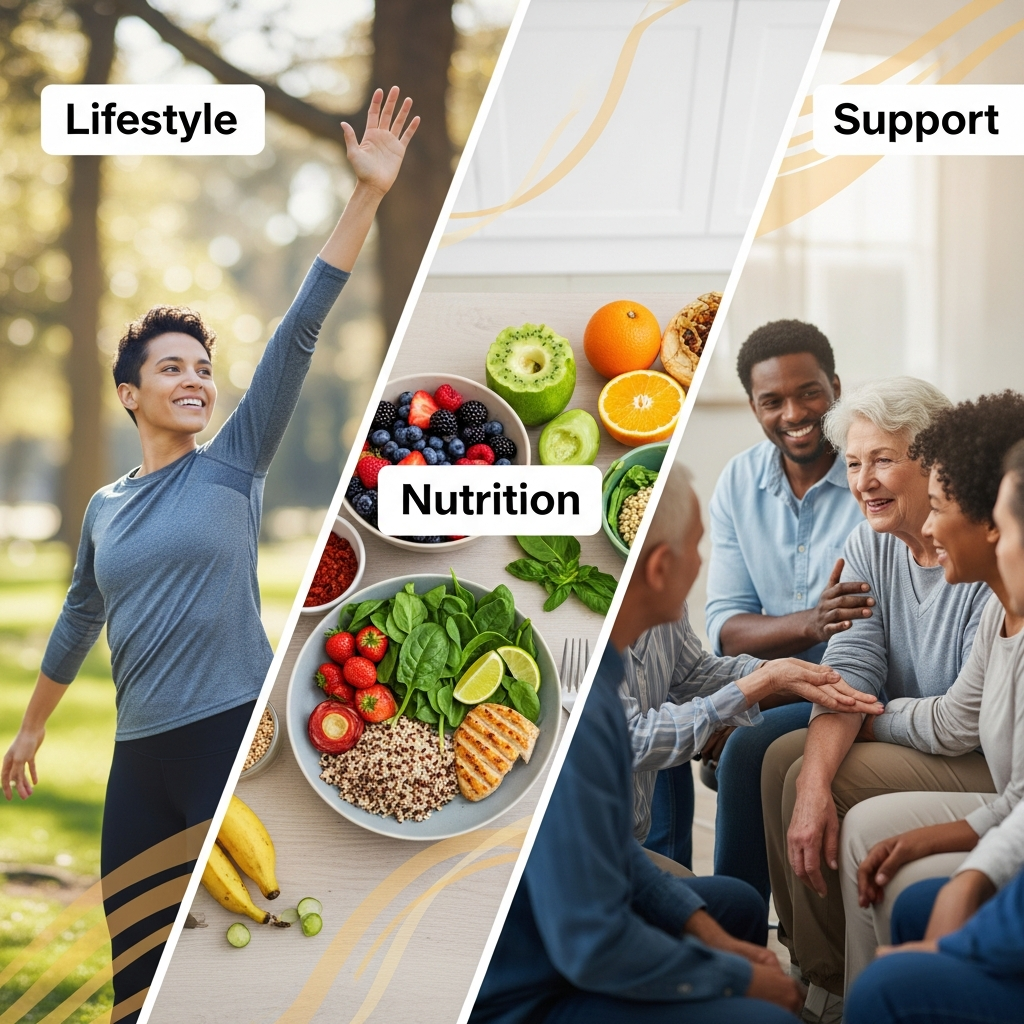 Beyond medical treatments, lifestyle management plays a major role in improving the quality of life for individuals living with thalassemia. With proper daily habits, balanced nutrition, and emotional support, patients can lead active and fulfilling lives while effectively managing their condition. Increasing thalassemia awareness also helps patients and families adopt healthier routines and make informed lifestyle choices.
Nutrition and Healthy Eating
Proper nutrition is essential for maintaining energy levels and supporting overall health in thalassemia patients. Dietary choices should be guided by medical condition, especially iron levels and chelation therapy status. Strong thalassemia awareness helps patients understand safe and unsafe dietary practices.
- Focus on a balanced diet rich in essential vitamins and minerals
- Increase intake of folic acid-rich foods (leafy greens, legumes, citrus fruits) to support red blood cell production
- Include vitamin C sources (oranges, lemons, berries) to enhance nutrient absorption when needed
- Consume antioxidant-rich foods like fruits, vegetables, and nuts to support immune health
- Limit excess iron-rich foods if iron overload is present, under medical supervision
- Avoid self-supplementation of iron without doctor’s advice
- Work with a registered dietitian for personalized meal planning
Physical Activity and Daily Lifestyle
Regular physical activity supports both physical and mental well-being, but it should be adjusted based on energy levels and anemia severity.
- Engage in light to moderate exercise such as walking, yoga, or swimming
- Avoid high-intensity workouts during severe anemia or fatigue
- Maintain adequate rest and sleep routines
- Practice stress management techniques like meditation and breathing exercises
- Stay consistent with hydration and healthy daily routines
Preventive Health Care
Preventing infections and complications is essential for long-term management.
- Stay updated with vaccinations (influenza, pneumococcal, hepatitis)
- Attend regular health check-ups and monitoring appointments
- Follow prescribed chelation and medication schedules strictly
- Monitor for early signs of fatigue, infection, or complications
Community and Psychosocial Support
Emotional well-being is equally important in managing thalassemia. Thalassemia awareness campaigns also help reduce stigma and improve social acceptance.
- Join patient support groups (local or online communities)
- Participate in awareness networks and global health initiatives
- Access educational and advocacy resources from thalassemia organizations
- Engage in social media awareness campaigns (e.g., #ThalassemiaAwareness)
- Seek counseling or psychological support when needed
Education, Career, and Life Opportunities
With proper care and support, individuals with thalassemia can achieve their academic and professional goals.
- Schools may provide special accommodations for health needs
- Workplaces can offer flexible schedules during treatment periods
- Open communication with healthcare providers supports better planning
- Caregivers may benefit from respite care and emotional support services
Building a Supportive Environment
A strong support system improves long-term outcomes and quality of life. Family, friends, healthcare providers, and communities all play a key role in improving thalassemia awareness and helping patients stay motivated and emotionally strong throughout their journey.
Prevention, Screening, and Public Health Initiatives
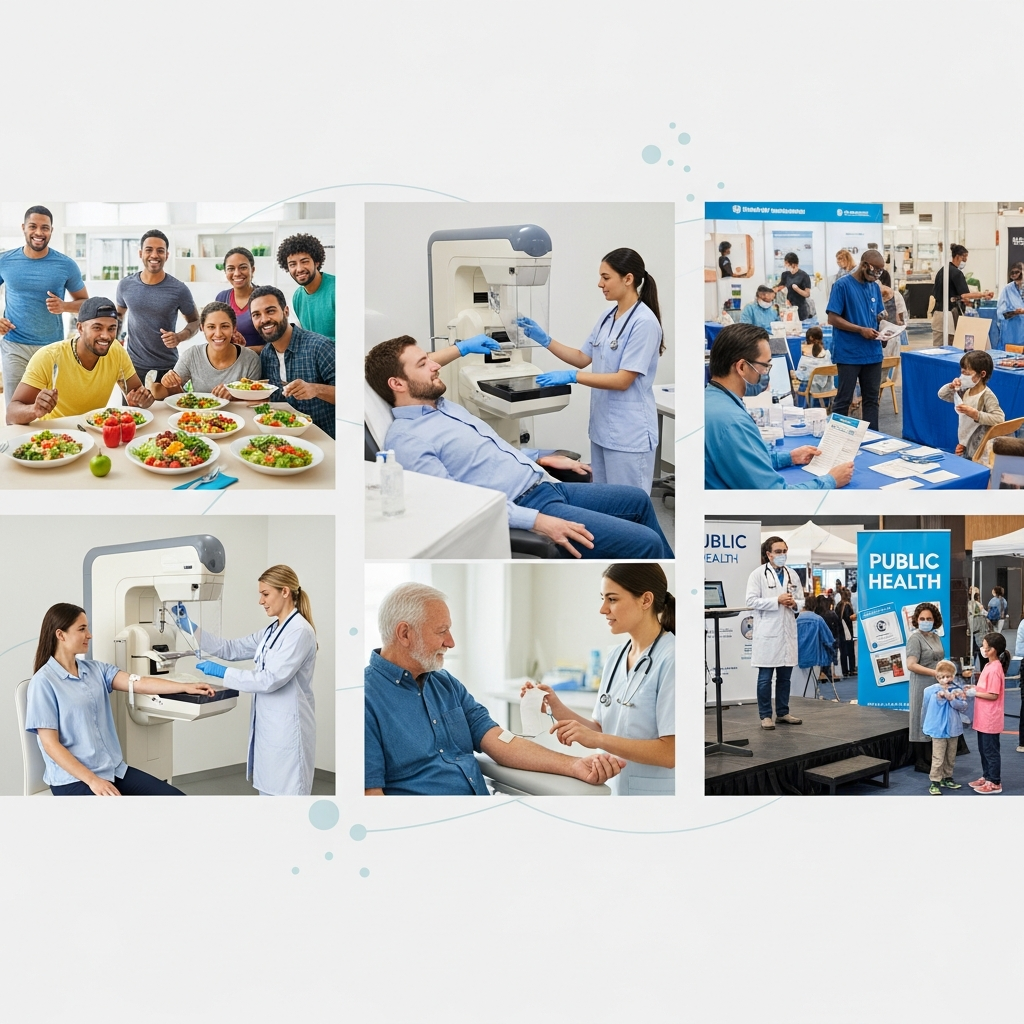 Preventing new cases of severe thalassemia depends heavily on early detection, carrier identification, and strong public health strategies. Since thalassemia is an inherited genetic disorder, prevention focuses on identifying at-risk couples before or early in pregnancy and guiding them with informed medical and reproductive choices.
In high-prevalence regions, premarital or preconception carrier screening is one of the most effective preventive strategies. This allows individuals to understand their genetic status before planning a family. When both partners are identified as carriers, healthcare providers offer non-directive genetic counseling, helping them understand the risks and available reproductive options such as prenatal diagnosis or assisted reproductive technologies.
Key Prevention Strategies
- Premarital and preconception carrier screening programs
- Early genetic counseling for at-risk couples
- Prenatal diagnostic tests such as CVS and amniocentesis
- Preimplantation genetic diagnosis (PGD) during IVF
- Public education on inherited blood disorders
- Integration of screening into maternal and child health services
Public Health Initiatives
Public awareness campaigns play a major role in reducing the burden of thalassemia at the population level. These initiatives focus on education, early testing, and accessible healthcare services.
- School-based health education programs
- Community awareness workshops and seminars
- Media campaigns promoting thalassemia awareness
- Free or low-cost blood screening programs through government and NGOs
- Collaboration between healthcare systems and public health organizations
- Integration of screening into national health policies
These efforts help ensure that individuals understand genetic risks early and can access testing and counseling services without financial or social barriers. Increasing thalassemia awareness at community level significantly improves early detection and prevention outcomes.
Global Collaborations and Research
International cooperation is essential for advancing prevention, treatment, and long-term care of thalassemia.
- Organizations like the World Health Organization (WHO) support global thalassemia initiatives and standardized care guidelines
- Research institutions and universities collaborate on gene therapy and novel treatments
- Clinical trials focus on improving iron chelation, gene editing, and fetal hemoglobin induction therapies
- Global data sharing helps improve diagnosis, treatment protocols, and patient outcomes
Ongoing research is also exploring advanced gene-editing technologies, improved medications, and long-term curative strategies that may significantly reduce disease burden in the future. Strong thalassemia awareness helps connect research progress with public understanding and patient education.
Policy and Healthcare Impact
Strong healthcare policies and government involvement are critical for sustainable prevention programs:
- Inclusion of thalassemia screening in national health programs
- Insurance coverage for diagnostic testing and long-term treatment
- Funding for research and rare disease programs
- Support for patient advocacy organizations
These measures help ensure equitable access to care and improve outcomes for affected populations. Expanding thalassemia awareness at policy and community levels is key to reducing new cases and improving national health outcomes.
Frequently Asked Questions
1. What is thalassemia?
Thalassemia is a genetic blood disorder that affects the body’s ability to produce hemoglobin, leading to anemia and related health complications.
2. Is thalassemia contagious?
No, thalassemia is not contagious. It is inherited from parents through genes.
3. What causes thalassemia?
It is caused by mutations in the globin genes that affect hemoglobin production in red blood cells.
4. Can thalassemia be cured?
In some cases, a bone marrow (stem cell) transplant can cure thalassemia. Gene therapy is also an emerging treatment option.
5. What are the common symptoms of thalassemia?
Common symptoms include fatigue, weakness, pale skin, slow growth, and in severe cases, bone deformities and enlarged spleen.
6. How is thalassemia diagnosed?
It is diagnosed through blood tests such as CBC, hemoglobin electrophoresis, HPLC, and genetic testing.
7. Can two healthy parents have a child with thalassemia?
Yes, if both parents are carriers of the thalassemia gene, there is a risk their child may inherit the disease.
8. What is the difference between thalassemia minor and major?
Thalassemia minor usually causes mild or no symptoms, while thalassemia major is a severe form that often requires regular blood transfusions.
9. How can thalassemia be prevented?
Prevention includes carrier screening, genetic counseling, and prenatal testing before or during pregnancy.
10. What is the importance of thalassemia awareness?
Thalassemia awareness helps people understand the disease early, promotes genetic screening, and reduces the risk of severe cases through informed decisions.
Conclusion
Thalassemia remains a significant health challenge, but today’s progress in diagnosis, treatment, and public health strategies offers renewed hope. Understanding the genetic roots of the disorder, recognizing early symptoms, and accessing modern therapies—ranging from chelation to curative gene editing—can transform patient outcomes. Equally important are lifestyle adaptations, nutritional support, and psychosocial resources that empower individuals to live well despite chronic illness. Prevention through comprehensive screening and proactive counseling continues to be the most effective way to reduce the incidence of severe thalassemia. By collaborating across healthcare, research, and community sectors, we can build a sustainable framework for patient support and disease eradication. Join the global movement—share reliable information, participate in screening programs, and advocate for policy changes to ensure that thalassemia no longer imposes a life-limiting burden on future generations.