
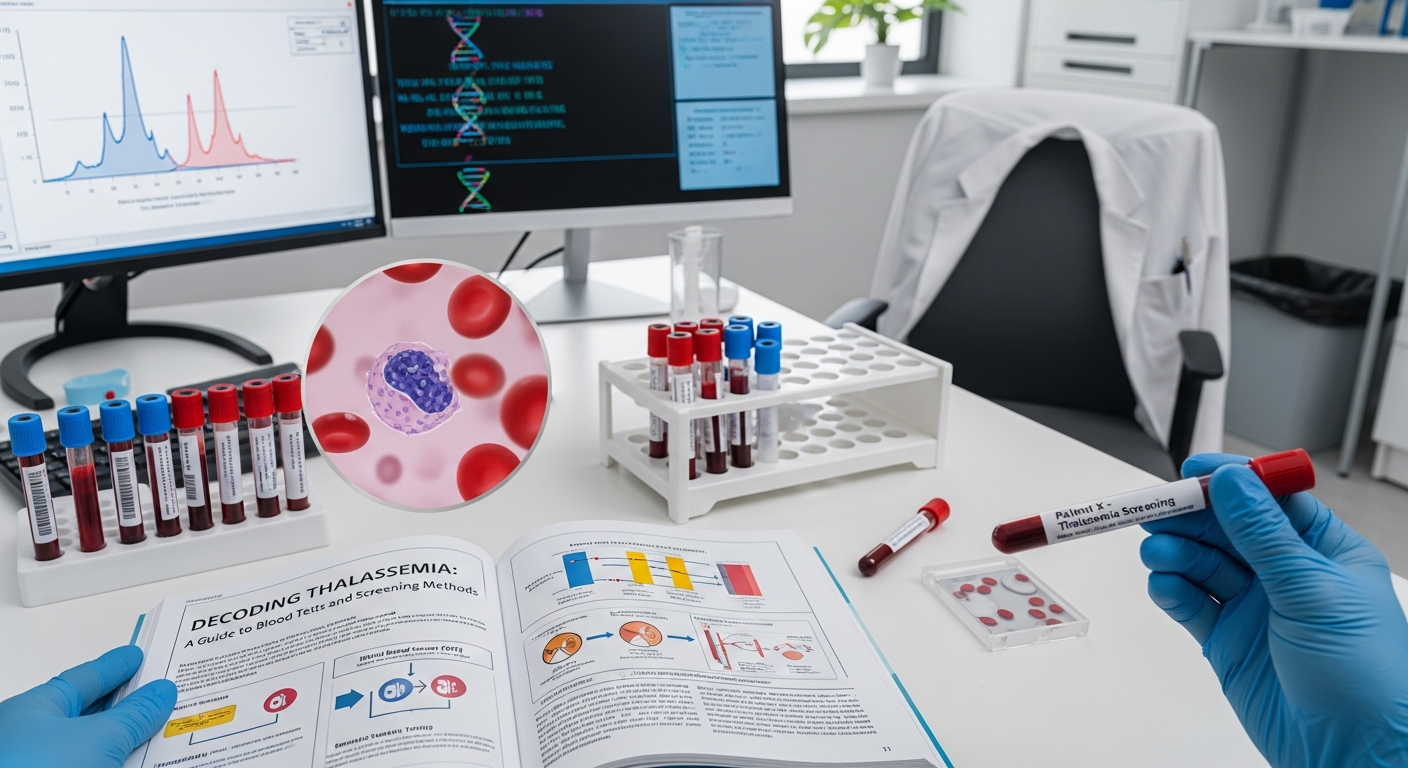
Thalassemia diagnosis tests include blood-based screenings such as CBC and hemoglobin electrophoresis that help detect the condition early. These tests identify abnormal hemoglobin levels and confirm thalassemia, allowing for timely diagnosis, proper treatment planning, and better health management.
Key Diagnostic Tools for Identifying Thalassemia
When investigating a potential blood disorder, laboratory tests are the most valuable tools available to healthcare providers. Different tests evaluate different aspects of the blood, from the size and shape of red blood cells to the specific hemoglobin proteins inside them. Together, these tests help move from suspicion to accurate diagnosis.
In many cases, doctors follow a step-by-step approach, starting with basic screening tests and gradually moving toward more specialized and confirmatory investigations when needed.
Complete Blood Count (CBC)
A Complete Blood Count, or CBC, is usually the first test ordered when a doctor suspects anemia. This routine blood test measures several important components of the blood, giving a broad overview of a person’s general health status. In the case of thalassemia, specific values within the CBC provide important diagnostic clues.
The test measures total hemoglobin level, red blood cell count, and red cell indices such as Mean Corpuscular Volume (MCV) and Mean Corpuscular Hemoglobin (MCH), which help determine the size and hemoglobin content of red blood cells.
Individuals with thalassemia typically show microcytic (small-sized) and hypochromic (pale-colored) red blood cells. A key diagnostic clue is when hemoglobin levels are low, but the red blood cell count is relatively normal or even elevated, which strongly suggests a thalassemia trait rather than simple iron deficiency anemia.
Hemoglobin Electrophoresis and HPLC
If CBC results indicate abnormal blood patterns, the next step is detailed hemoglobin analysis. Hemoglobin electrophoresis and High-Performance Liquid Chromatography (HPLC) are advanced tests used to separate and measure different types of hemoglobin in the blood.
Normal adult hemoglobin is mainly Hemoglobin A, but small amounts of Hemoglobin A2 and Hemoglobin F are also present. These tests identify how much of each type exists and whether the balance is abnormal.
For example, an increased level of Hemoglobin A2 is a strong indicator of beta-thalassemia trait. These advanced tools help confirm the exact type of hemoglobin disorder and differentiate thalassemia from other blood conditions with similar symptoms.
Iron Studies
One of the major challenges in diagnosing thalassemia is distinguishing it from iron deficiency anemia, as both conditions can present with similar symptoms such as fatigue, weakness, and small red blood cells.
Iron studies help resolve this confusion by measuring:
- Serum iron (amount of iron in the blood)
- Ferritin (iron storage level in the body)
- Total Iron-Binding Capacity (TIBC)
In iron deficiency anemia, iron and ferritin levels are low while TIBC is high. In contrast, individuals with thalassemia usually have normal or near-normal iron stores. This distinction is critical because giving iron supplements to someone with thalassemia when it is not needed can lead to iron overload and organ damage.
Genetic Testing and DNA Analysis
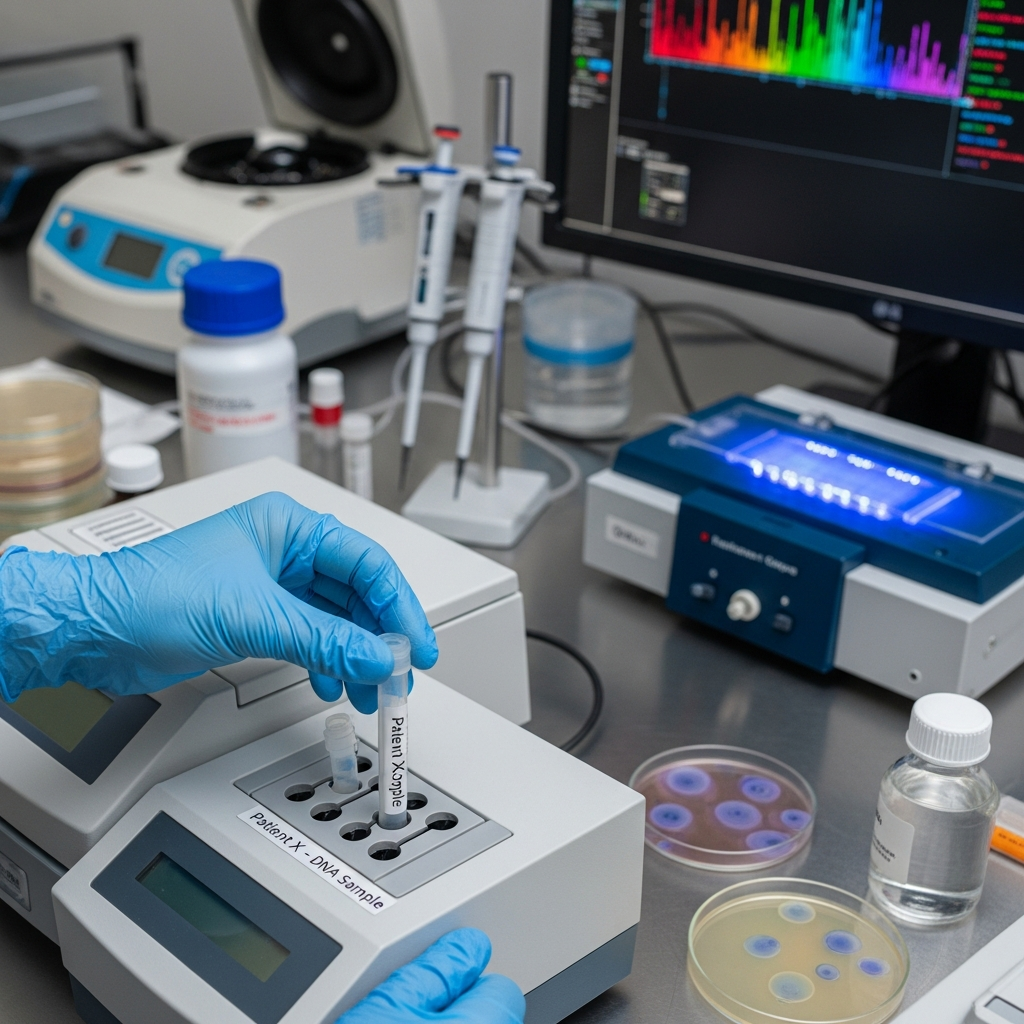 Although blood tests provide strong evidence, genetic testing is the most definitive method for confirming thalassemia. DNA analysis directly examines the genes responsible for producing alpha or beta globin chains and identifies the exact mutation causing the disorder.
This form of testing is especially useful in complex or unclear cases where standard blood tests cannot provide a clear diagnosis. It also plays a major role in family planning, as identifying both parents’ carrier status helps doctors estimate the risk of passing severe thalassemia to children.
Genetic confirmation also supports long-term medical planning, allowing healthcare providers to design personalized monitoring and treatment strategies based on the specific mutation type.
Importance of a Step-by-Step Diagnostic Approach
Using multiple diagnostic tools together ensures accuracy and reduces misdiagnosis. Each test contributes a different piece of information, and when combined, they provide a complete picture of the patient’s blood health.
This structured approach is essential for early detection, correct classification, and effective management of thalassemia, especially in mild or carrier cases where symptoms may not be obvious.
Screening Methods to Identify At-Risk Individuals
Treatment plays a major role in managing genetic disorders, but prevention and early awareness are equally important. Screening methods are designed to identify individuals who carry thalassemia genes before symptoms appear or before the condition is passed on to the next generation. These approaches are a key part of reducing the long-term impact of thalassemia in high-risk populations.
Early identification through screening also helps healthcare providers offer timely counseling, guidance, and medical planning for individuals and families.
Carrier Screening
Many individuals carry a single mutated gene responsible for thalassemia but do not show any symptoms. These individuals are known as carriers or are said to have the thalassemia trait. Carrier screening is a preventive test used to identify these silent carriers before they unknowingly pass the gene to their children.
This type of screening is especially important for:
- People with a family history of thalassemia
- Individuals from high-prevalence regions such as South Asia, the Middle East, and the Mediterranean
- Couples planning marriage or pregnancy
By identifying carrier status early, individuals can understand their genetic risk and make informed decisions about relationships and family planning.
Prenatal Diagnosis
When both parents are carriers, prenatal diagnosis becomes an important tool to determine whether the unborn child has inherited a severe form of thalassemia. This allows families and doctors to prepare in advance for any medical needs after birth.
There are two main prenatal testing methods:
- Chorionic Villus Sampling (CVS): Performed between 10–12 weeks of pregnancy, this test collects a small tissue sample from the placenta for genetic analysis.
- Amniocentesis: Performed between 15–20 weeks of pregnancy, this test collects a small amount of amniotic fluid containing fetal cells for DNA testing.
Both procedures help detect thalassemia genetic conditions early in pregnancy, giving parents time to understand the diagnosis and plan appropriate care.
Newborn Screening
In many healthcare systems, thalassemia screening is included as part of routine newborn screening programs. A small blood sample is taken from the baby’s heel shortly after birth and tested for genetic and blood disorders.
Early detection at this stage is highly valuable because it allows immediate medical planning. If a severe form of thalassemia is identified, doctors can:
- Begin early monitoring and treatment
- Schedule regular blood transfusions if needed
- Prevent early complications such as severe anemia and growth delay
This early intervention significantly improves long-term health outcomes and quality of life for affected children.
Importance of Screening Programs
Screening plays a crucial role in reducing the burden of thalassemia by identifying at-risk individuals before symptoms develop. It helps break the cycle of undiagnosed carriers and allows families to make informed reproductive choices.
Overall, these screening methods are essential for early detection, prevention, and effective management of thalassemia at both individual and population levels.
Interpreting Results and Determining Next Steps

Receiving results from blood tests and genetic screenings can often feel confusing and overwhelming, especially because they include complex medical terms, numerical values, and technical interpretations. For this reason, it is essential that all results related to thalassemia genetic causes are reviewed with a qualified healthcare provider or a hematologist who specializes in blood disorders, ensuring accurate understanding and appropriate medical guidance in thalassemia diagnosis.
Once a diagnosis is confirmed, the next steps depend on the type and severity of the condition. Management strategies vary significantly between silent carriers and individuals with more severe forms of thalassemia, and early interpretation of results plays a critical role in long-term health planning after thalassemia diagnosis.
Next Steps After Diagnosis
Individuals identified as silent carriers typically do not require medical treatment but are strongly advised to undergo genetic counseling to understand reproductive risks and family planning implications related to thalassemia genetic causes in future generations after thalassemia diagnosis.
Patients diagnosed with moderate or severe forms of thalassemia require structured medical care, including regular monitoring, blood transfusions, and iron level management to prevent long-term complications affecting vital organs such as the heart and liver after thalassemia diagnosis.
Treatment and Management Based on Diagnosis
| Diagnosis Type | Required Action | Follow-up Care |
|---|---|---|
| Silent Carrier | No treatment required | Genetic counseling recommended |
| Thalassemia Trait | Monitoring only | Family screening suggested |
| Moderate Thalassemia | Occasional treatment | Regular blood tests and monitoring |
| Severe Thalassemia | Lifelong treatment | Blood transfusions + iron chelation therapy |
Key Point: Importance of Professional Interpretation
It is extremely important to understand that laboratory reports alone cannot provide a complete medical decision, as test values must always be interpreted alongside clinical symptoms, family history, and genetic findings. Only trained healthcare professionals such as hematologists can accurately evaluate results in context and ensure that thalassemia genetic causes are correctly identified without misinterpretation during thalassemia diagnosis.
Professional interpretation is especially important because similar blood test patterns can appear in different conditions, such as iron deficiency anemia and thalassemia trait. Without expert analysis, there is a high risk of incorrect self-diagnosis, unnecessary medication, or delayed proper treatment in thalassemia diagnosis. A specialist carefully reviews all parameters together, including red blood cell indices, hemoglobin patterns, and iron status, to ensure safe and accurate conclusions.
Proper interpretation also helps avoid unnecessary iron supplementation, which can be harmful in individuals with thalassemia. Instead, doctors focus on targeted management plans based on confirmed diagnosis, ensuring that patients receive personalized and effective care tailored to their specific genetic condition through proper thalassemia diagnosis.
The Lasting Impact of Accurate Diagnosis
 An accurate and timely diagnosis is the foundation of effective long-term management for genetic blood disorders. A proper thalassemia diagnosis not only confirms the condition but also helps establish a clear medical pathway for monitoring, treatment, and family planning. Early identification of thalassemia genetic causes allows healthcare providers to reduce complications, prevent disease progression, and improve overall quality of life.
Accurate diagnosis also plays a crucial role in preventing mismanagement, such as unnecessary iron therapy, which can lead to iron overload and organ damage if given incorrectly. A correct thalassemia diagnosis ensures that patients receive appropriate care strategies, including regular follow-ups, lifestyle guidance, and when necessary, advanced treatments such as transfusion therapy or genetic counseling.
For individuals with a family history of anemia or those from high-risk populations, early screening becomes a powerful preventive tool. Rather than waiting for severe symptoms to appear, proactive testing enables early detection of thalassemia genetic causes, allowing families to make informed reproductive decisions and prepare for potential medical needs in advance, supporting early thalassemia diagnosis.
Ultimately, early and precise diagnosis empowers both patients and families with knowledge, reduces uncertainty, and creates opportunities for healthier future generations through informed medical and genetic planning based on accurate thalassemia diagnosis.
Frequently Asked Questions (FAQs)
1. What does a positive thalassemia test result mean?
A positive result means that the individual may have thalassemia or be a carrier, and further confirmatory tests are required to determine the exact type, severity, and clinical significance.
2. Can thalassemia be diagnosed through a single test?
No, thalassemia cannot be diagnosed with just one test. Doctors usually combine CBC, hemoglobin electrophoresis or HPLC, iron studies, and sometimes genetic testing for an accurate thalassemia diagnosis.
3. What is the difference between a carrier and a patient?
A carrier has only one mutated gene and usually shows no or very mild symptoms, while a patient inherits two mutated genes and may experience mild to severe anemia depending on the condition confirmed by thalassemia diagnosis.
4. Why is genetic counseling important after diagnosis?
Genetic counseling helps individuals understand inheritance risks, family planning options, and the possibility of passing thalassemia genetic causes to future children after thalassemia diagnosis.
5. Can blood tests alone confirm thalassemia?
Blood tests provide strong evidence, but genetic testing is often needed to confirm the exact mutation and finalize thalassemia diagnosis.
6. What is the role of iron studies in diagnosis?
Iron studies help differentiate thalassemia from iron deficiency anemia, which can appear very similar in basic blood tests before a confirmed thalassemia diagnosis.
7. Is thalassemia always inherited from both parents?
Severe forms usually occur when both parents pass mutated genes, while carriers inherit one mutated gene from a single parent, identified during thalassemia diagnosis.
8. Can thalassemia be mistaken for other diseases?
Yes, it is commonly confused with iron deficiency anemia because both conditions can cause fatigue, weakness, and small red blood cells before proper thalassemia diagnosis.
9. What should I do if I am diagnosed as a carrier?
Carriers should consider genetic counseling and testing of their partner before planning a pregnancy to understand reproductive risks after thalassemia diagnosis.
10. Is early diagnosis important in thalassemia?
Yes, early diagnosis helps prevent complications, ensures proper treatment planning, and improves long-term health outcomes significantly through timely thalassemia diagnosis.
Conclusion
Interpreting diagnostic results correctly is a vital step in managing thalassemia effectively. Blood tests and genetic screening together provide a complete understanding of whether a person is a carrier or affected, allowing for timely medical decisions and preventive care. Since thalassemia genetic causes determine how the condition is inherited and expressed, accurate testing plays a key role in protecting both current and future generations through early thalassemia diagnosis.
Early and precise diagnosis helps avoid misdiagnosis, unnecessary treatments, and delayed care. It also enables individuals and families to access genetic counseling, make informed reproductive choices, and plan appropriate long-term management strategies. With proper medical guidance, regular monitoring, and awareness of thalassemia genetic causes, patients can achieve better health outcomes and significantly reduce the risk of complications over time through correct thalassemia diagnosis.
