Thalassemia is an inherited blood disorder affecting hemoglobin production and oxygen transport. Understanding its genetic basis and types helps identify the early symptoms of thalassemia, enabling timely diagnosis, proper management, and prevention of severe complications through early medical intervention.
Understanding Thalassemia: A Brief Medical Context
To fully understand the early symptoms of thalassemia, it is important to first look at what happens inside the body at a cellular level. Thalassemia is an inherited blood disorder that affects the body’s ability to produce normal hemoglobin, the protein in red blood cells responsible for carrying oxygen.
Genetic Basis and Inheritance Patterns
Thalassemia is passed from parents to children through genes. The severity of the condition depends on how many defective genes are inherited.
Key points:
- A child must inherit mutated hemoglobin genes to develop thalassemia
- If both parents are carriers, the risk of severe thalassemia increases significantly
- If only one parent carries the gene, the child may become a carrier (thalassemia minor)
- Carriers often show no obvious early symptoms of thalassemia, making screening important
Different Types of Thalassemia
Thalassemia is classified based on which part of the hemoglobin protein is affected:
- Alpha Thalassemia
- Beta Thalassemia
The severity depends on how many genes are affected.
Classification by Severity:
| Type |
Severity Level |
Key Characteristics |
Relation to Early Symptoms of Thalassemia |
| Thalassemia Major |
Severe |
Requires regular blood transfusions |
Early symptoms appear in infancy |
| Thalassemia Intermedia |
Moderate |
Symptoms vary, occasional treatment needed |
Symptoms may develop later in childhood |
| Thalassemia Minor (Trait) |
Mild |
Usually asymptomatic |
Often no noticeable early symptoms |
How Thalassemia Affects the Body
Since hemoglobin plays a critical role in oxygen transport, its deficiency leads to multiple physical changes in the body. These changes are responsible for many of the early symptoms of thalassemia.
Key effects on the body:
- Reduced oxygen supply causes fatigue and weakness
- Bone marrow overworks to produce more red blood cells, leading to:
- Bone expansion
- Facial bone changes (in severe cases)
- The spleen and liver enlarge due to increased filtering of abnormal cells
- Chronic anemia develops, which is often one of the first early symptoms of thalassemia
Why Understanding This Matters
Recognizing how thalassemia works helps in identifying the early symptoms of thalassemia more effectively. Early detection allows for:
- Timely diagnosis
- Better treatment planning
- Reduced risk of complications
- Improved quality of life for patients
The Critical Importance of Identifying Early Symptoms
 Spotting the early symptoms of thalassemia can fundamentally change a patient’s prognosis. Early detection allows healthcare providers to begin monitoring hemoglobin levels, assess organ function, and initiate supportive care before complications become severe. Without timely intervention, untreated thalassemia can lead to serious outcomes such as heart complications, growth delays, and skeletal deformities.
Many of the early symptoms of thalassemia are subtle and easy to overlook. Parents may notice mild fatigue, pale skin, or slower growth, which are often mistaken for common issues like iron deficiency or poor nutrition. This misinterpretation can delay proper diagnosis and treatment.
Why Early Identification Matters
Recognizing the early symptoms of thalassemia provides several critical benefits:
- Timely diagnosis: Enables confirmation through blood tests before symptoms worsen
- Better disease management: Doctors can plan regular monitoring and treatment strategies
- Prevention of complications: Reduces the risk of organ damage, bone deformities, and severe anemia
- Improved quality of life: Early care supports normal growth and development in children
Commonly Overlooked Warning Signs
Some early indicators are often ignored or misunderstood:
- Persistent tiredness or low energy levels
- Pale or slightly yellowish skin
- Delayed growth or poor weight gain
- Frequent infections or weakness
These signs may seem minor individually, but together they can point toward the early symptoms of thalassemia and should not be ignored.
The Risk of Misdiagnosis
Because the early symptoms of thalassemia closely resemble other common conditions, especially iron deficiency anemia, many patients are initially misdiagnosed. This can lead to:
- Incorrect treatments (such as unnecessary iron supplements)
- Delayed specialist referral
- Progression of the disease without proper management
Taking the Right Action Early
If early warning signs are noticed, especially in families with a history of thalassemia, it is essential to:
- Seek medical evaluation promptly
- Request appropriate blood tests (such as CBC and hemoglobin analysis)
- Consider genetic counseling if needed
Understanding and acting on the early symptoms of thalassemia is the first and most important step toward effective care and long-term health.
Key Early Symptoms of Thalassemia in Infants and Young Children
Children born with severe forms of the disorder, such as Beta Thalassemia Major, usually begin to show clear signs within the first two years of life.
Severe Anemia
A lack of healthy red blood cells quickly leads to severe anemia. You might observe:
- Persistent fatigue and lethargy: The baby may seem unusually weak, sleep more than expected, or lack the energy to play.
- Pale skin (pallor): A noticeable lack of color in the skin, lips, or nail beds.
- Shortness of breath: The child might struggle to breathe comfortably, especially during feeding or mild exertion.
Growth and Developmental Delays
Because the body is starved of oxygen and energy, normal development is frequently interrupted.
- Failure to thrive: The child may not reach standard height and weight benchmarks.
- Poor weight gain: Despite adequate feeding, the infant struggles to put on weight.
- Delayed milestones: Sitting, crawling, and walking may occur much later than average.
Jaundice
When defective red blood cells break down rapidly, they release a yellow pigment called bilirubin.
- Yellowing of the skin and eyes: This is a classic sign of high bilirubin levels.
- Dark urine: The kidneys excrete excess pigment, causing the urine to look dark brown or tea-colored.
Abdominal Swelling
As the body tries to cope with the rapid destruction of blood cells, internal organs can become overworked.
- Enlarged spleen (splenomegaly): The spleen works overtime to clear damaged cells, causing it to swell.
- Enlarged liver (hepatomegaly): The liver may also expand, leading to a visibly distended abdomen.
Bone Deformities
While less common in the very early stages, bone changes can indicate a severe, progressing form of the disorder. The bone marrow expands to produce more blood cells, leading to facial bone changes (like a prominent forehead) and the thinning of long bones.
Early Symptoms of Thalassemia in Older Children and Adults
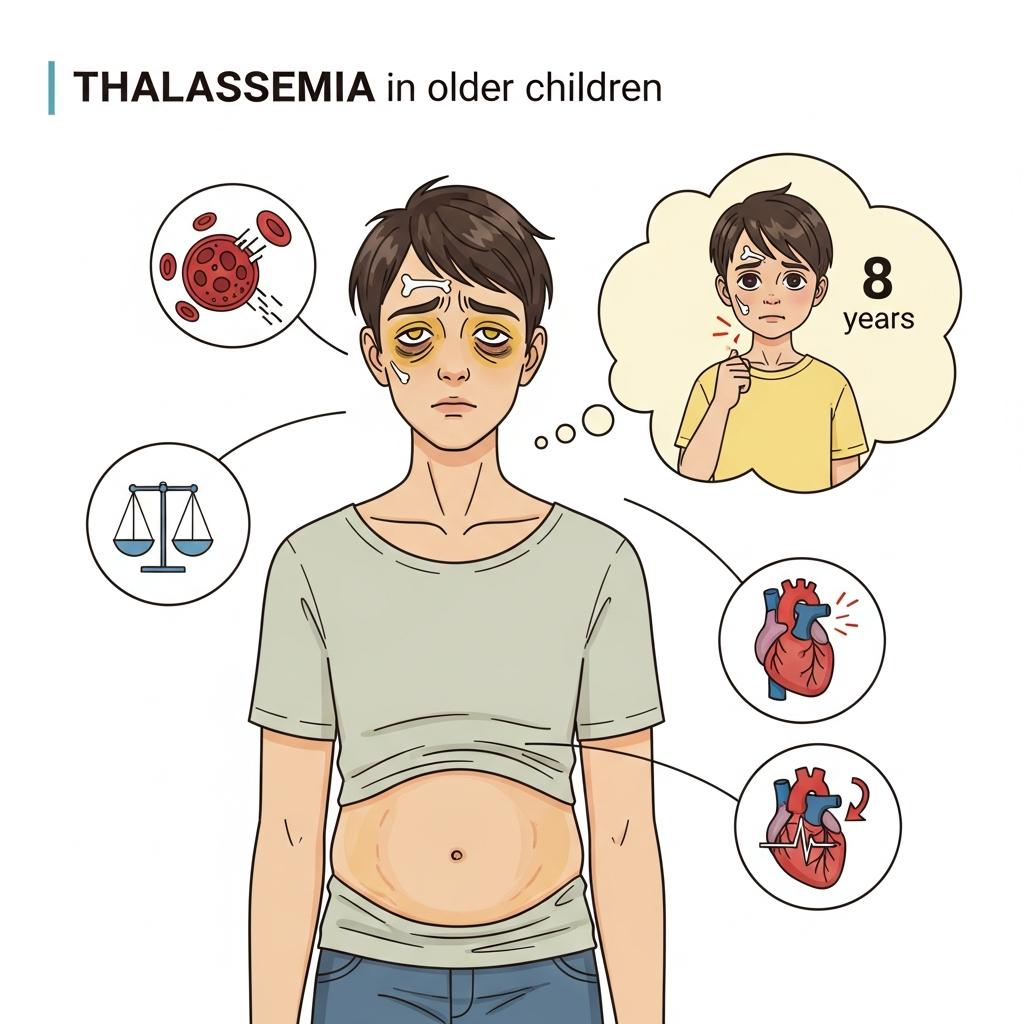 Individuals with Thalassemia Intermedia or Minor may not display noticeable issues during infancy, but symptoms can gradually appear later in childhood or adulthood. In these cases, the early symptoms of thalassemia are often subtle, slow to progress, and easily overlooked, yet they still require proper medical evaluation and monitoring to prevent long-term complications.
Chronic Fatigue and Weakness
One of the most consistent early symptoms of thalassemia is persistent fatigue. This is not typical tiredness that improves with rest. Instead, it is a long-lasting lack of energy that affects daily activities, work performance, and physical endurance. Many individuals may struggle with routine tasks that require even minimal effort.
Mild to Moderate Anemia
Older children and adults often experience mild to moderate anemia, which can lead to:
- Dizziness and lightheadedness
- Shortness of breath during physical activity
- Reduced exercise tolerance
- Pale or dull-looking skin
These signs may come and go, making them harder to connect directly to early symptoms of thalassemia without proper testing.
Bone Problems
Over time, the body tries to compensate for low hemoglobin by increasing bone marrow activity. This ongoing process can weaken bones and lead to:
- Bone thinning (osteopenia or osteoporosis)
- Increased risk of fractures
- Chronic bone pain or discomfort
These skeletal changes develop gradually and are often overlooked until complications arise.
Iron Overload (Hemochromatosis)
Iron overload is a serious concern, even in patients who are not receiving frequent blood transfusions. In Thalassemia Intermedia, the body may absorb excess iron from food, leading to accumulation over time.
Early warning signs include:
- Joint pain
- Abdominal discomfort
- Fatigue beyond usual anemia symptoms
- Bronze or grayish skin tone
Monitoring iron levels is essential, as untreated overload can damage vital organs such as the liver and heart.
Splenomegaly (Enlarged Spleen)
An enlarged spleen is another important indicator. Older individuals may notice:
- A feeling of fullness after eating small amounts
- Discomfort or pain in the upper left abdomen
- Visible abdominal swelling in some cases
This occurs because the spleen works harder to filter abnormal red blood cells, a process linked to early symptoms of thalassemia.
Why These Symptoms Matter
Although these signs may seem mild at first, they can gradually worsen without proper care. Recognizing early symptoms of thalassemia in older children and adults allows for timely diagnosis, better symptom management, and prevention of serious complications later in life.
Differentiating Thalassemia from Other Conditions
 One of the biggest hurdles in diagnosing this disorder is its striking resemblance to iron-deficiency anemia. Both conditions cause fatigue, weakness, and pale skin. However, treating a thalassemia patient with iron supplements will not cure their anemia and can actually lead to dangerous iron toxicity.
You should suspect a genetic cause if anemia symptoms do not improve with iron therapy, or if the fatigue seems disproportionately severe compared to dietary habits. Family history and ethnic background play a massive role here. The disorder is most prevalent in individuals of Mediterranean, Middle Eastern, South Asian, and African descent.
When to Seek Medical Attention
You should consult a healthcare professional if you or your child experience persistent, unexplained fatigue, pale skin, or developmental delays. Additionally, if you have a known family history of the disorder, proactive screening is highly recommended. Seeking genetic counseling before or during pregnancy can help you understand the risks and prepare for the future.
The Diagnostic Process Explained
If a doctor suspects a genetic blood disorder, they will rely on specific laboratory tests to confirm the diagnosis. For more detailed clinical guidelines, you can visit resources provided by the Centers for Disease Control and Prevention (CDC).
- Complete Blood Count (CBC): This standard test measures the number and size of red blood cells.
- Hemoglobin Electrophoresis or HPLC: These tests evaluate the different types of hemoglobin in the blood, identifying the specific mutated proteins.
- Genetic Testing: DNA analysis can pinpoint the exact gene mutations, confirming the specific type and severity.
- Prenatal Diagnosis: Tests like chorionic villus sampling (CVS) or amniocentesis can detect the disorder in a developing fetus.
Living with Thalassemia: Early Intervention and Management
Receiving a diagnosis of thalassemia can feel overwhelming, but advances in medical care have made it possible for patients to live longer, healthier, and more active lives. Identifying the early symptoms of thalassemia plays a crucial role in starting treatment at the right time and reducing the risk of serious complications. Early intervention typically begins with regular consultations and a structured monitoring plan under the guidance of a hematologist.
Importance of Regular Monitoring
Consistent medical follow-up is the foundation of effective management. Patients are usually advised to undergo:
- Routine blood tests to monitor hemoglobin levels
- Iron level assessments to prevent overload
- Organ function tests (especially liver and heart)
- Growth and development tracking in children
This proactive approach helps detect complications early and adjust treatment accordingly.
Blood Transfusion Therapy
For individuals with Thalassemia Major, regular blood transfusions are essential to maintain adequate hemoglobin levels and ensure proper oxygen delivery throughout the body.
Benefits of transfusion therapy:
- Reduces severe anemia
- Supports normal growth and development
- Improves energy levels and overall well-being
However, repeated transfusions can lead to iron accumulation, which must be carefully managed.
Iron Chelation Therapy
To counter iron overload, patients undergo iron chelation therapy. This involves medications that bind excess iron and help remove it from the body.
Key points:
- Protects vital organs such as the heart and liver
- Prevents long-term complications like organ failure
- Requires strict adherence for effectiveness
Early monitoring of iron levels—even when early symptoms of thalassemia appear mild—is essential for deciding when to begin this therapy.
Lifestyle and Nutritional Support
Medical treatment alone is not enough; daily lifestyle choices significantly impact long-term health.
Recommended strategies:
- Maintain a balanced diet rich in essential nutrients
- Avoid excess iron intake unless prescribed
- Engage in light to moderate physical activity
- Stay up to date with vaccinations to prevent infections
Emotional and Social Support
Living with a chronic condition also affects mental and emotional well-being. Support systems are vital for both patients and families.
- Counseling can help manage stress and anxiety
- Support groups provide shared experiences and encouragement
- Educational awareness reduces stigma and improves confidence
Long-Term Outlook
With early detection, proper treatment, and consistent care, individuals with thalassemia can lead productive and fulfilling lives. Recognizing the early symptoms of thalassemia and acting promptly ensures better disease control, fewer complications, and improved quality of life over time.
Taking Action for Your Health
 Understanding how this condition affects the body empowers you to make informed decisions and advocate for timely care. The early symptoms of thalassemia—such as persistent fatigue, pale skin, mild anemia, or delayed growth in children—may appear minor at first, but they can signal an underlying genetic disorder that requires attention.
Recognizing When to Act
It is important not to ignore subtle or recurring symptoms. You should consider seeking medical advice if you notice:
- Ongoing tiredness that does not improve with rest
- Pale or yellowish skin tone
- Slow growth or delayed development in children
- Frequent weakness, dizziness, or shortness of breath
- Family history of thalassemia or other blood disorders
Early recognition of these patterns can lead to quicker diagnosis and better outcomes.
Steps to Take for Early Diagnosis
Taking prompt action can significantly improve long-term health. Key steps include:
- Scheduling a consultation with a healthcare provider
- Requesting a Complete Blood Count (CBC) test
- Undergoing hemoglobin electrophoresis for accurate diagnosis
- Considering genetic testing, especially for couples planning a family
These evaluations help confirm whether symptoms are linked to thalassemia or another condition.
The Role of Family Awareness
Because thalassemia is inherited, awareness within families is essential. If one member is diagnosed:
- Other family members may also need screening
- Carriers can make informed reproductive decisions
- Early preparation helps manage the condition more effectively
Building a Proactive Health Approach
Being proactive about health can make a significant difference. This includes:
- Keeping regular medical checkups
- Monitoring symptoms over time
- Following medical advice and treatment plans
- Staying informed about the condition
Moving Forward with Confidence
Taking action at the right time can transform the course of the condition. Recognizing early symptoms of thalassemia and seeking timely medical care allows for early intervention, better management, and a healthier future. Even small steps toward awareness and diagnosis can have a lasting impact on overall well-being.
Frequently Asked Questions (FAQs)
1. What are the early symptoms of thalassemia?
Early symptoms of thalassemia include fatigue, pale skin, weakness, slow growth in children, and mild anemia. These signs are often subtle and may be mistaken for other conditions.
2. At what age do symptoms of thalassemia usually appear?
Symptoms can appear in infancy for severe cases, while milder forms may not show signs until later childhood or adulthood.
3. Can thalassemia be detected early?
Yes, early detection is possible through blood tests such as Complete Blood Count (CBC) and hemoglobin electrophoresis, especially if symptoms or family history are present.
4. Is thalassemia a curable disease?
Most forms are not fully curable, but they can be effectively managed with treatments like blood transfusions and iron chelation therapy. In some cases, bone marrow transplant may offer a cure.
5. What causes thalassemia?
Thalassemia is caused by inherited genetic mutations that affect hemoglobin production. It is passed from parents to children.
6. Can a person have thalassemia without symptoms?
Yes, individuals with thalassemia minor (trait) often have no noticeable symptoms but can still pass the gene to their children.
7. Why is early diagnosis important?
Early diagnosis helps prevent complications, allows timely treatment, and improves overall quality of life.
8. How is thalassemia different from iron deficiency anemia?
Although symptoms may appear similar, thalassemia is a genetic disorder, while iron deficiency anemia is caused by lack of iron. Proper testing is needed to distinguish between them.
9. What are the risks if thalassemia is left untreated?
Untreated thalassemia can lead to severe anemia, organ damage, bone deformities, and other life-threatening complications.
10. Can lifestyle changes help manage thalassemia?
Yes, a balanced diet, regular medical checkups, avoiding excess iron intake, and following treatment plans can help manage the condition effectively.
Conclusion
Understanding and recognizing the early symptoms of thalassemia is essential for timely diagnosis and effective management. Although the signs may appear mild or easily overlooked, early action can prevent serious complications and significantly improve long-term health outcomes. With proper medical care, regular monitoring, and supportive lifestyle choices, individuals with thalassemia can lead active and fulfilling lives. Awareness, early intervention, and informed decision-making remain the key pillars in managing this inherited blood disorder successfully.