


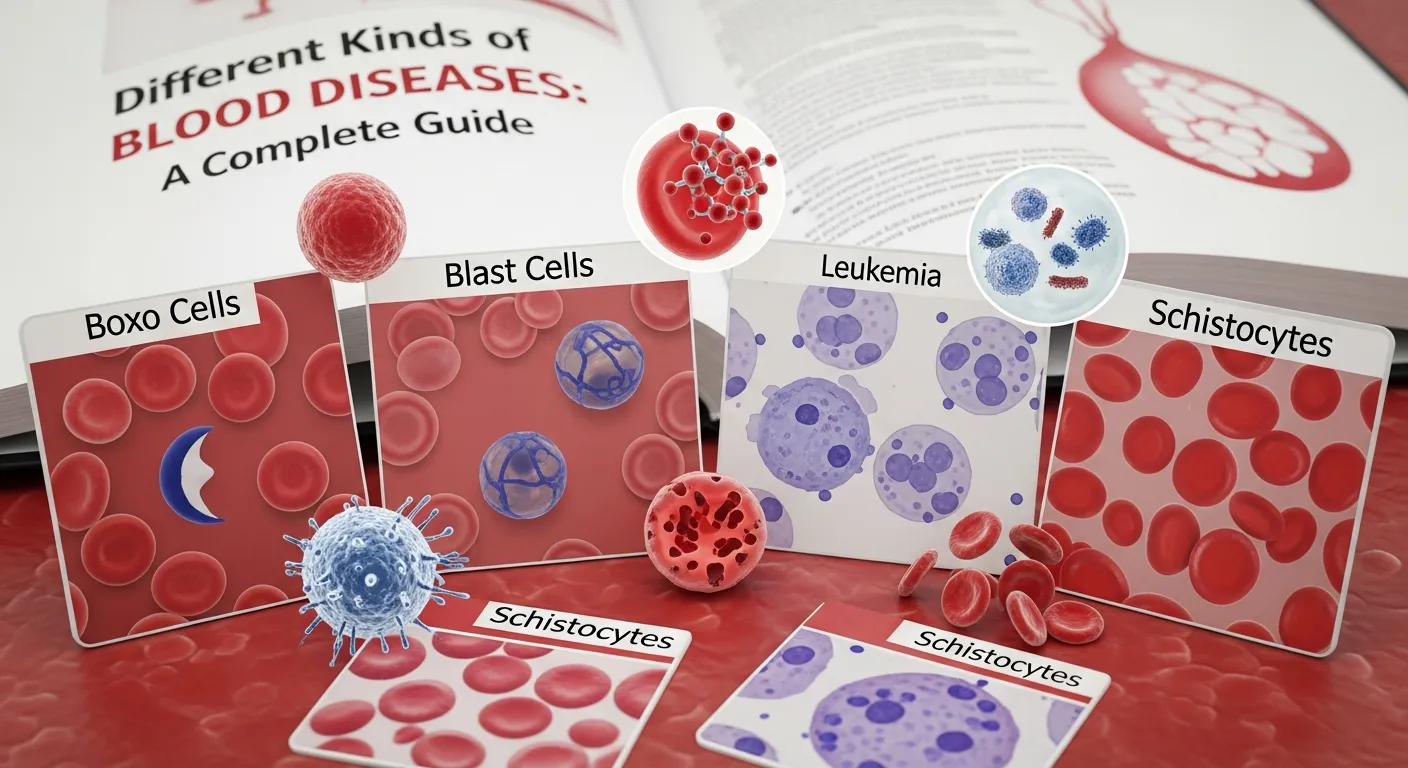
Different kinds of blood diseases include anemia, leukemia, lymphoma, myeloma, and bleeding disorders. Each affects blood cells differently, with symptoms ranging from fatigue to abnormal bleeding. Early diagnosis and proper treatment are essential for effective management.
Different kinds of blood diseases affect red cells, white cells, platelets, or plasma. The main categories include anemias, leukemias, lymphomas, myelomas, and bleeding disorders like hemophilia. Early detection, accurate testing, and proper treatment dramatically improve outcomes for nearly every condition.
Your blood does far more than flow through your veins. It carries oxygen, fights infections, controls bleeding, and keeps your organs alive. So when something goes wrong with it, the effects ripple through your entire body—sometimes loudly, sometimes silently.
Many people live for years with a blood disorder before they ever get a diagnosis. Fatigue gets blamed on stress. Easy bruising gets dismissed as clumsiness. Heavy periods get written off as “just bad luck.” But these quiet signals often point to something deeper happening within your bloodstream.
This guide walks you through the different kinds of blood diseases, grouped by the part of the blood they affect. You’ll learn what causes each condition, the symptoms to watch for, how doctors diagnose them, and which treatments work best. Whether you’re researching for yourself, a family member, or out of pure curiosity, you’ll come away with a clear understanding of how these disorders work—and why catching them early matters so much.
Understanding different kinds of blood diseases is essential because many of these conditions progress silently in the early stages.
Timely diagnosis can prevent serious complications such as organ damage, severe anemia, or uncontrolled bleeding.
Modern medical testing makes it easier than ever to identify blood disorders at an early stage.
With proper treatment, many blood diseases can be managed effectively or even cured.
Awareness and education about different kinds of blood diseases play a key role in improving long-term health outcomes.
Understanding Blood and Its Components
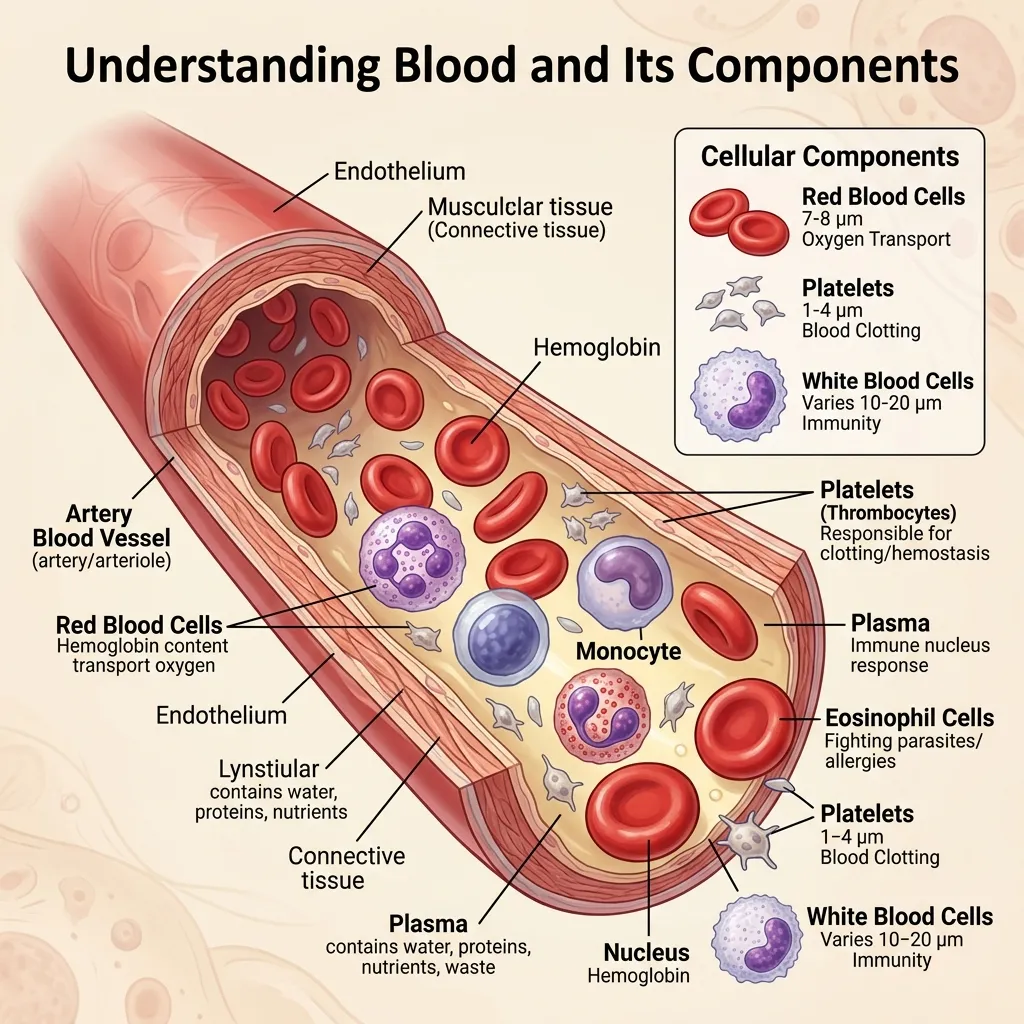
Before exploring the different kinds of blood diseases, it helps to know what healthy blood actually does.
What is blood and what does it do?
Blood is a living tissue that performs three core jobs. It transports oxygen, nutrients, and hormones to your cells. It regulates body temperature and pH balance. And it protects you by fighting infection and forming clots to stop bleeding.
What are the key components of blood?
Healthy blood contains four main parts, and most blood diseases trace back to a problem with one of them:
- Red blood cells (erythrocytes): These carry oxygen from your lungs to every tissue using a protein called hemoglobin.
- White blood cells (leukocytes): These form your immune defense, hunting down bacteria, viruses, and other invaders.
- Platelets (thrombocytes): These tiny cells clump together to form clots and stop bleeding.
- Plasma: This fluid carries proteins, clotting factors, and the cells listed above throughout your body.
When any of these components malfunction, a specific category of blood disease develops. This is why understanding different kinds of blood diseases is essential before looking at individual conditions.
Anemias: Disorders of Red Blood Cells
Anemia happens when you don’t have enough healthy red blood cells to carry adequate oxygen to your tissues. It’s the most common of the different kinds of blood diseases, and it comes in many forms.
Iron-Deficiency Anemia
Iron-deficiency anemia is the most widespread type worldwide. Your body needs iron to make hemoglobin, and without enough of it, red blood cell production drops.
Causes: Poor diet, heavy menstrual bleeding, internal bleeding from ulcers, or pregnancy can all deplete iron stores.
Symptoms: Fatigue, pale skin, weakness, dizziness, and shortness of breath are classic signs.
Diagnosis and treatment: A complete blood count (CBC) and iron studies confirm the diagnosis. Treatment usually involves iron supplements and addressing the underlying cause of blood loss. Proper management of different kinds of blood diseases like this helps prevent long-term complications.
Aplastic Anemia
Aplastic anemia is a rare but serious condition where the bone marrow stops producing enough new blood cells.
Causes: Bone marrow failure can stem from autoimmune disease, exposure to toxic chemicals, radiation, certain medications, or viral infections.
Symptoms: Fatigue, frequent infections, and easy bruising or bleeding occur because all blood cell types are affected.
Diagnosis and treatment: Blood tests and bone marrow biopsy confirm the condition. Treatment may include transfusions, immunosuppressive drugs, or a stem cell transplant.
Hemolytic Anemia
Hemolytic anemia occurs when red blood cells are destroyed faster than the body can replace them.
Causes: Autoimmune reactions, infections, or inherited conditions can trigger red cell destruction.
Symptoms: Jaundice, dark urine, fatigue, and an enlarged spleen are common.
Diagnosis and treatment: Blood tests identify increased red cell breakdown. Treatment depends on the cause and may include steroids, immunosuppressants, or spleen removal.
Sickle Cell Anemia
Sickle cell anemia is a genetic disorder where red blood cells form a rigid, crescent shape instead of a smooth disc.
Symptoms: Severe pain crises, organ damage, infections, and chronic fatigue are common features.
Management and new therapies: Treatment includes pain control, hydroxyurea, regular transfusions, and emerging gene therapy options that offer long-term hope for patients.
Thalassemia
Thalassemia is an inherited disorder that reduces the body’s ability to produce normal hemoglobin. It is one of the major different kinds of blood diseases seen worldwide.
It comes in alpha and beta forms depending on which part of hemoglobin is affected.
Symptoms: Mild to severe anemia, fatigue, bone changes, and enlarged spleen. Severe cases require lifelong treatment.
Diagnosis and management: Hemoglobin electrophoresis and genetic testing confirm the condition. Management includes transfusions, iron chelation therapy, and folic acid supplementation.
Understanding different kinds of blood diseases like thalassemia is important for early detection, proper treatment, and preventing complications such as iron overload.
One closely related condition worth understanding is Hemoglobin E Disease, an inherited disorder common in Southeast Asia. When combined with beta-thalassemia, it can produce a far more severe condition called Hemoglobin E/beta-thalassemia. For a deeper look at this topic, read The Guide to Hemoglobin E Disease.
Leukemias: Cancers of White Blood Cells
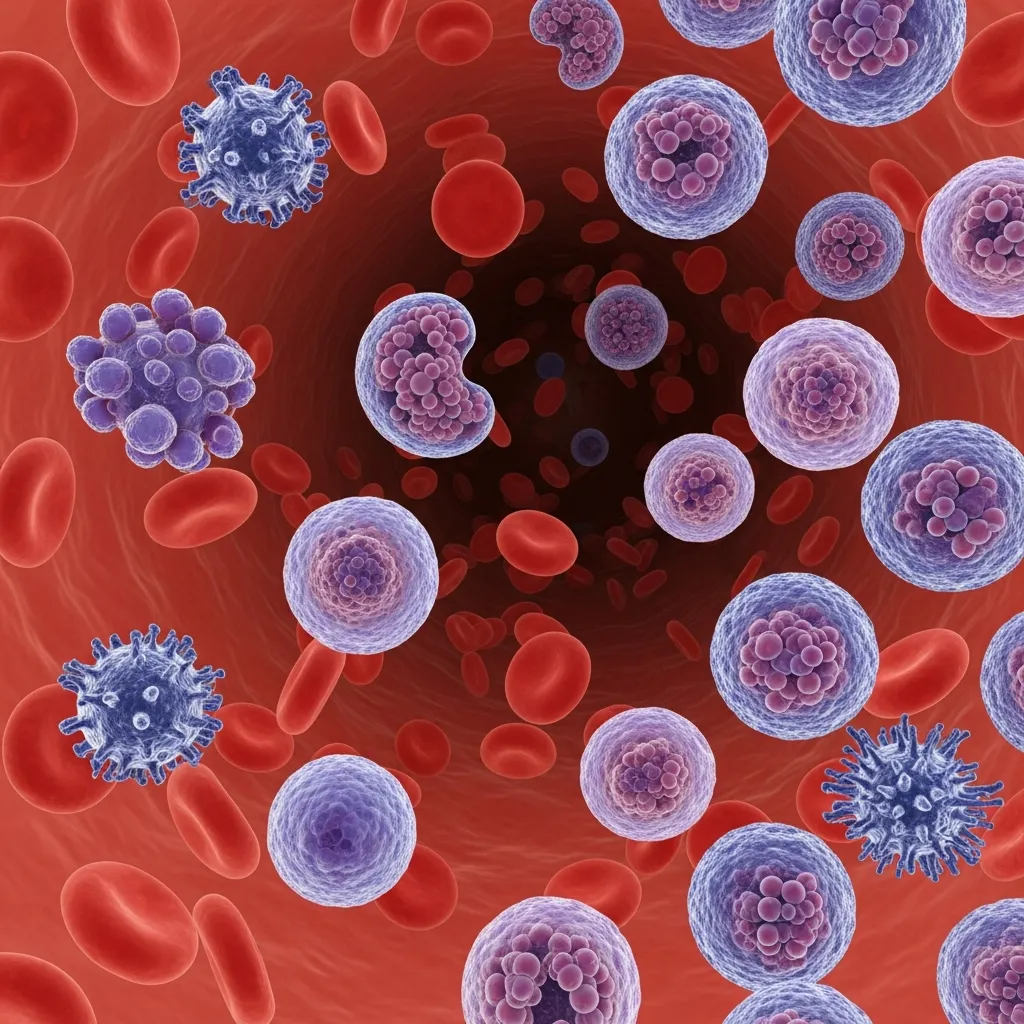 Leukemia is cancer of the blood-forming tissues, including the bone marrow. It causes the body to produce large numbers of abnormal white blood cells that crowd out healthy ones.
Leukemia is one of the most serious different kinds of blood diseases, because it directly affects the body’s ability to fight infection and produce normal blood cells.
What is leukemia and how does it develop?
Leukemia begins when the DNA inside developing blood cells mutates. These damaged cells multiply uncontrollably and fail to die off like normal cells. Over time, they overwhelm the bone marrow, leaving little room for healthy red cells, white cells, and platelets.
As the disease progresses, the imbalance in blood cell production leads to widespread effects throughout the body, making early detection critical in managing different kinds of blood diseases like leukemia.
What are the main types of leukemia?
Doctors classify leukemia by how fast it progresses (acute or chronic) and which cells it affects (lymphoid or myeloid):
- Acute Lymphoblastic Leukemia (ALL): Fast-growing and most common in children.
- Acute Myeloid Leukemia (AML): Aggressive and more common in adults.
- Chronic Lymphocytic Leukemia (CLL): Slow-progressing and typically diagnosed in older adults.
- Chronic Myeloid Leukemia (CML): A slow-developing cancer linked to a specific genetic abnormality.
Each type represents a different pattern within the broader category of different kinds of blood diseases, requiring tailored diagnostic and treatment approaches.
Symptoms
Persistent fatigue, frequent infections, easy bruising, unexplained weight loss, fever, and swollen lymph nodes are common warning signs. Some patients also experience bone pain or night sweats as the disease progresses.
Diagnosis and treatment
Blood tests, bone marrow biopsies, and genetic analysis are used to confirm leukemia. Treatment options include chemotherapy, radiation therapy, targeted drug therapy, and stem cell transplantation.
Modern advances in treating different kinds of blood diseases like leukemia have significantly improved survival rates, especially when diagnosed early and treated promptly.
Lymphomas: Cancers of the Lymphatic System
Lymphoma is a cancer that begins in the lymphatic system—the network of vessels and nodes that helps fight infection. It develops in lymphocytes, a type of white blood cell.
Lymphomas are an important part of different kinds of blood diseases, because they directly affect the immune system and the body’s ability to defend against infections.
What are the two main types of lymphoma?
- Hodgkin lymphoma: Marked by the presence of distinctive Reed-Sternberg cells, this type is often highly treatable when caught early.
- Non-Hodgkin lymphoma: A larger, more diverse group of lymphomas that behave very differently depending on the subtype.
Each type of lymphoma falls under the broader category of different kinds of blood diseases, but they vary widely in severity, progression, and treatment response.
Symptoms
Swollen but painless lymph nodes, fever, night sweats, unexplained weight loss, itching, and persistent fatigue are common. Some patients also experience chest discomfort or breathing difficulties if lymph nodes enlarge in the chest.
Diagnosis and treatment
A lymph node biopsy is the key diagnostic tool, supported by imaging scans such as CT or PET scans. Treatment options include chemotherapy, radiation therapy, immunotherapy, and targeted therapies.
Early diagnosis of different kinds of blood diseases like lymphoma significantly improves treatment success and long-term outcomes.
Myelomas: Cancers of Plasma Cells
Multiple myeloma is a cancer of plasma cells, the white blood cells in bone marrow that produce antibodies. As cancerous plasma cells multiply, they damage bones and weaken the immune system.
Myeloma is another serious category within different kinds of blood diseases, often requiring long-term management and specialized care.
How does multiple myeloma affect the body?
The abnormal plasma cells accumulate in the bone marrow and produce faulty antibodies (M proteins) that can harm the kidneys. They also interfere with normal bone regeneration, leading to thinning bones, fractures, and chronic pain.
Symptoms
Bone pain (especially in the spine, ribs, and chest), fatigue, frequent infections, kidney problems, and high calcium levels are typical signs. Some patients may also experience anemia and nerve-related symptoms.
Diagnosis and treatment
Blood and urine tests, bone marrow biopsies, and imaging studies help confirm the diagnosis. Treatment includes chemotherapy, targeted therapy, immunotherapy, steroids, and stem cell transplants.
With advancements in treating different kinds of blood diseases like myeloma, many patients now live longer with better quality of life, especially when diagnosed early.
Bleeding Disorders: Problems With Clotting
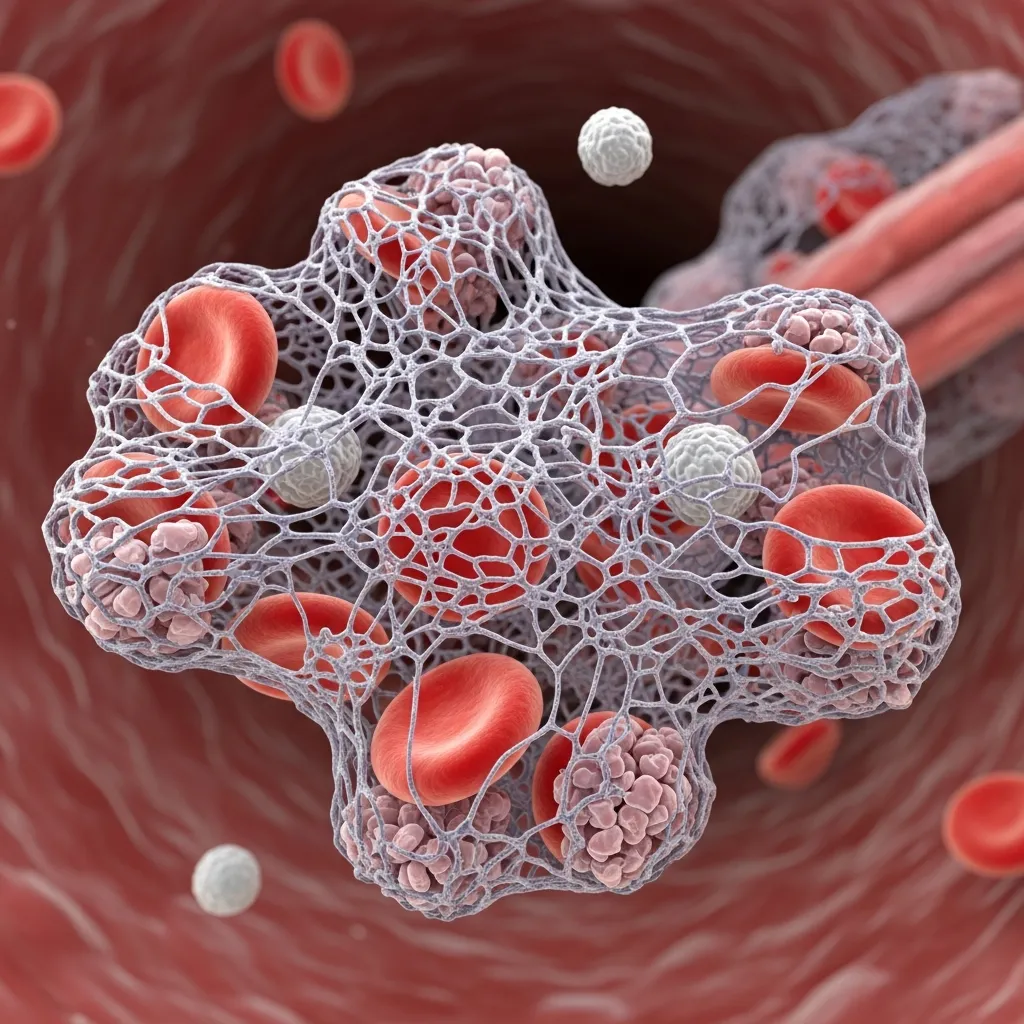 Bleeding disorders make up another major category among the different kinds of blood diseases. These conditions prevent blood from clotting properly, leading to prolonged or excessive bleeding.
Bleeding disorders are especially important within the spectrum of different kinds of blood diseases because they can range from mild, unnoticed symptoms to life-threatening bleeding episodes.
What is hemophilia?
Hemophilia is an inherited bleeding disorder where the blood lacks sufficient clotting factors. A deficiency of Factor VIII causes Hemophilia A, while a deficiency of Factor IX causes Hemophilia B (also called Christmas disease). A rarer form, Hemophilia C, involves a Factor XI deficiency.
People with hemophilia bleed for longer after injuries and may experience spontaneous bleeding into joints and muscles. Understanding hemophilia is essential when studying different kinds of blood diseases because it highlights how clotting abnormalities affect everyday life.
To understand how the condition is identified, see What to Expect from a Hemophilia Test.
How is hemophilia inherited?
Hemophilia A and B follow an X-linked recessive inheritance pattern, which is why the condition predominantly affects males. Understanding this pattern is essential for families planning children—you can explore it in detail in our guide on the hemophilia hereditary pattern.
A common misconception is that hemophilia only affects men. In reality, females can be symptomatic carriers and, in rare cases, develop the full disorder. This makes hemophilia a key example of how different kinds of blood diseases can affect people in more complex ways than commonly assumed.
Learn the surprising truth in Can Females Have Hemophilia?.
Why is bleeding time normal in Hemophilia B?
Here’s a detail that confuses many people: the standard bleeding time test often comes back normal in hemophilia patients. That’s because hemophilia affects secondary hemostasis (the formation of a stable fibrin clot), not platelet function. This distinction is important when diagnosing different kinds of blood diseases that involve clotting problems.
For a full explanation, read Why Is Bleeding Time in Hemophilia B Usually Normal?.
Other bleeding disorders
Beyond hemophilia, other bleeding disorders include von Willebrand disease (the most common inherited bleeding disorder) and thrombocytopenia, a condition marked by a low platelet count. Each requires specific testing to diagnose accurately.
These conditions further expand the range of different kinds of blood diseases, showing how both genetic and acquired factors can disrupt normal clotting mechanisms and require tailored medical management.
Why Early Detection of Blood Diseases Matters
Across all the different kinds of blood diseases, one theme stays constant: early detection saves lives. Many of these conditions share overlapping symptoms—fatigue, bruising, infections—which makes them easy to overlook or misdiagnose.
In fact, many people live for years without realizing they have a blood disorder because the early signs are subtle and often mistaken for stress, poor diet, or normal aging. This delay can allow the condition to progress silently, making treatment more complicated later.
A simple complete blood count can reveal the first clues. From there, specialized tests like hemoglobin electrophoresis, clotting factor assays, bone marrow biopsies, and genetic analysis pinpoint the exact problem. The sooner a diagnosis is made, the sooner treatment can begin—and the better the long-term outcome for most different kinds of blood diseases.
Early detection also helps prevent serious complications such as organ damage, severe anemia, uncontrolled infections, or life-threatening bleeding episodes. It allows doctors to tailor treatment plans more effectively and improve quality of life.
If you notice persistent fatigue, unexplained bruising, frequent infections, or abnormal bleeding, don’t dismiss it. Talk to your doctor and ask whether blood testing is appropriate. Knowledge and timing are your strongest allies against any blood disorder, especially when dealing with different kinds of blood diseases.
Lifestyle, Environment, and Blood Health Connections
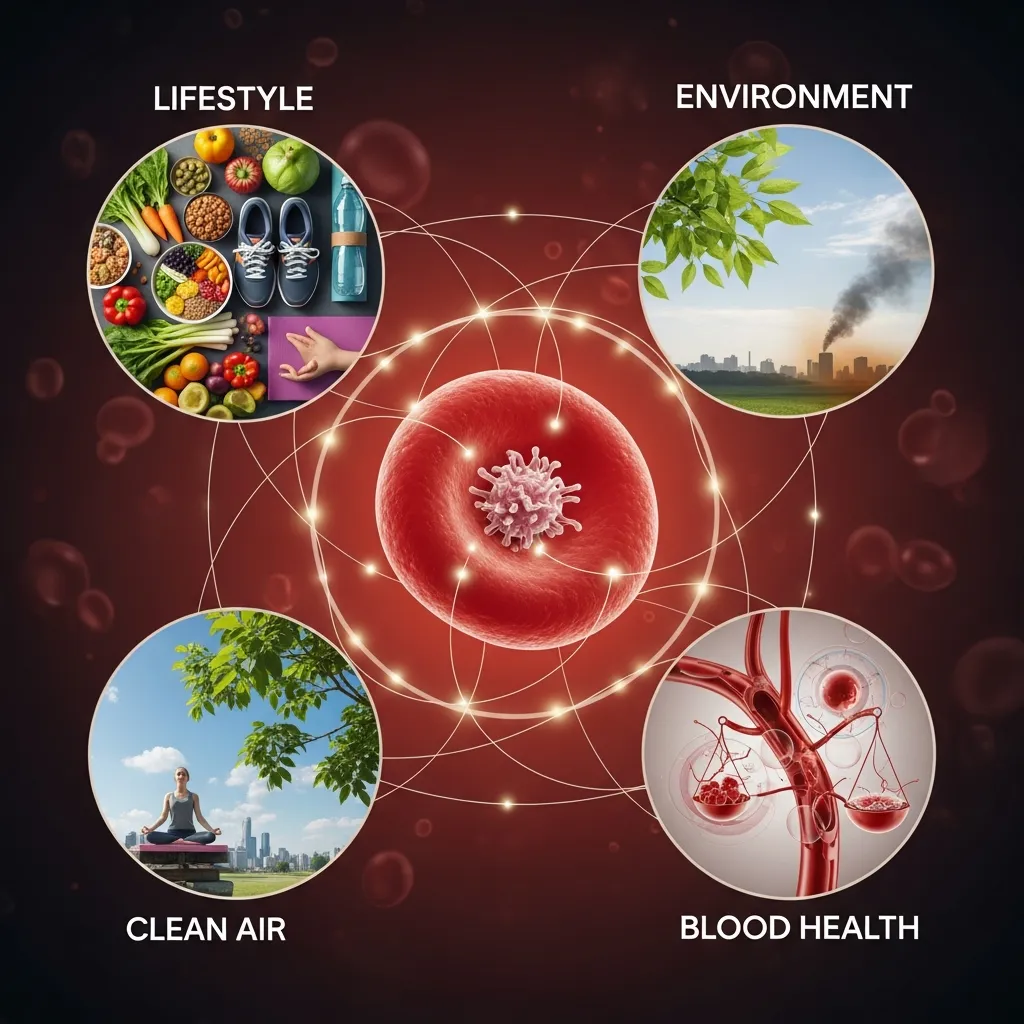 The development and progression of different kinds of blood diseases are influenced not only by genetics and medical conditions but also by lifestyle and environmental exposures. While some blood disorders are unavoidable, many risk factors can be managed or reduced through healthier choices.
Nutritional deficiencies remain one of the most common contributors to blood-related problems worldwide. A lack of iron, vitamin B12, or folate can directly reduce red blood cell production and lead to various forms of anemia. Similarly, exposure to environmental toxins such as industrial chemicals, pesticides, or radiation can damage bone marrow and disrupt normal blood cell formation.
Lifestyle habits also play an important role. Smoking reduces oxygen delivery in the blood, while excessive alcohol consumption can interfere with bone marrow function. Poor sleep, chronic stress, and sedentary behavior may not directly cause blood diseases, but they can weaken immunity and worsen existing conditions.
Understanding these connections helps individuals take preventive steps. A balanced diet, regular exercise, proper hydration, and avoiding harmful substances can support overall blood health and lower the risk or severity of certain different kinds of blood diseases.
The Role of Genetics, Mutation, and Family History
Genetics is one of the most important factors in many different kinds of blood diseases. Some conditions are inherited directly from parents, while others arise due to spontaneous genetic mutations that occur during a person’s lifetime.
Inherited disorders such as sickle cell anemia, thalassemia, and hemophilia follow predictable inheritance patterns. In these cases, a child may inherit faulty genes from one or both parents, increasing the likelihood of developing a blood disorder. Even carriers—individuals who do not show symptoms—can pass these genes to their children.
In addition to inherited conditions, acquired genetic mutations also play a major role in diseases like leukemia and lymphoma. These mutations can occur due to environmental exposure, aging, or random cellular errors, leading to uncontrolled cell growth.
Family history is therefore a critical risk factor. Individuals with relatives affected by different kinds of blood diseases are often advised to undergo early screening or genetic counseling. This helps in early detection, prevention planning, and informed reproductive decisions.
Diagnosis Journey: From Symptoms to Confirmed Results
Diagnosing different kinds of blood diseases is often a step-by-step process because many symptoms overlap across conditions. Fatigue, weakness, bruising, and frequent infections can be caused by a wide range of disorders, making laboratory testing essential.
The diagnostic journey usually begins with a Complete Blood Count (CBC), which provides a general overview of red cells, white cells, and platelets. Abnormal results prompt further investigation through specialized tests such as iron studies, vitamin level assessments, hemoglobin electrophoresis, coagulation profiles, and bone marrow examination.
In more complex cases, imaging studies and genetic testing may be required to confirm the exact condition. For example, distinguishing between iron deficiency anemia and thalassemia or identifying different types of leukemia often requires advanced diagnostic tools.
Accurate diagnosis is crucial because treatment strategies vary widely across different kinds of blood diseases. A correct and timely diagnosis ensures that patients receive targeted therapy instead of generalized or ineffective treatment.
Treatment Approaches Across Different Blood Disorders
Treatment for different kinds of blood diseases is highly individualized and depends on the underlying cause, severity, and progression of the condition.
For nutritional anemia, treatment often includes iron, vitamin B12, or folate supplementation along with dietary changes. Chronic or severe cases may require intravenous therapy or blood transfusions.
Inherited disorders such as thalassemia and sickle cell disease may require long-term management strategies, including regular transfusions, iron chelation therapy, pain management, and in some cases, bone marrow or stem cell transplantation.
Cancers of the blood, such as leukemia, lymphoma, and myeloma, require more aggressive treatments like chemotherapy, targeted therapy, immunotherapy, and radiation. Advances in medical science have significantly improved survival rates for many of these conditions.
Bleeding disorders, on the other hand, are managed by replacing missing clotting factors, preventing injuries, and using medications that help improve clot stability.
Modern treatment of different kinds of blood diseases often combines medical therapy with lifestyle modifications, continuous monitoring, and supportive care to achieve the best outcomes.
Psychological and Social Impact of Blood Diseases
 The impact of different kinds of blood diseases goes beyond physical symptoms. Many patients also face emotional, psychological, and social challenges that affect their quality of life.
Chronic fatigue, frequent hospital visits, and long-term treatment plans can lead to anxiety, depression, and emotional stress. In children and young adults, these conditions may affect education, social interaction, and self-confidence.
Families also experience emotional and financial burden due to ongoing medical care. In many cases, caregivers play a crucial role in supporting daily treatment routines, managing appointments, and providing emotional encouragement.
Psychological support, counseling, and patient support groups are increasingly recognized as essential components of care. Addressing mental health alongside physical treatment leads to better coping mechanisms and improved overall outcomes for individuals living with different kinds of blood diseases.
Future of Blood Disease Research and Treatment
Research in hematology is rapidly advancing, offering new hope for patients with different kinds of blood diseases. Scientists are developing more precise diagnostic tools, targeted therapies, and gene-based treatments that address the root causes of many blood disorders.
Gene therapy, for example, is showing promising results in conditions like sickle cell disease and thalassemia by correcting defective genes at the DNA level. Immunotherapy is also transforming the treatment landscape for blood cancers by helping the immune system target abnormal cells more effectively.
Artificial intelligence and advanced screening technologies are improving early detection and allowing doctors to identify blood diseases at much earlier stages than before. These innovations are expected to significantly improve survival rates and quality of life in the coming years.
Complications of Untreated Blood Diseases
If different kinds of blood diseases are not diagnosed or treated in time, they can lead to serious and sometimes life-threatening complications.
Chronic anemia can result in organ damage due to long-term oxygen deprivation. Severe thrombocytopenia or bleeding disorders may lead to uncontrolled internal bleeding, even from minor injuries. Blood cancers such as leukemia or lymphoma can progress rapidly and affect multiple organs including the liver, spleen, and lymphatic system.
In many cases, delayed treatment also weakens the immune system, making patients more vulnerable to infections. This is why early diagnosis and continuous monitoring are essential for managing different kinds of blood diseases effectively.
When to See a Doctor for Blood-Related Symptoms
Many different kinds of blood diseases start with mild symptoms that are easy to ignore. However, certain warning signs should never be overlooked.
Persistent fatigue that does not improve with rest, frequent infections, unexplained bruising, prolonged bleeding after minor cuts, or sudden weight loss may all indicate underlying blood problems. Pale skin, dizziness, and shortness of breath are also common early indicators.
If these symptoms continue for more than a few weeks, medical evaluation is necessary. A simple blood test can often provide the first clue about different kinds of blood diseases and help guide further investigation.
Advances in Diagnostic Technology
Modern medicine has significantly improved the detection of different kinds of blood diseases through advanced diagnostic technologies.
High-resolution automated blood analyzers now provide detailed blood counts within minutes. Molecular testing and genetic sequencing allow doctors to identify inherited blood disorders with high accuracy. Flow cytometry is widely used in diagnosing blood cancers, helping specialists analyze abnormal cell populations.
Imaging techniques such as CT scans, MRI, and PET scans also play an important role in staging diseases like lymphoma and myeloma. These advancements have made diagnosis faster, more precise, and more reliable than ever before.
Global Burden of Blood Diseases
Different kinds of blood diseases affect millions of people worldwide, making them a major global health concern.
Anemia alone affects a large portion of the global population, especially in developing countries where nutritional deficiencies are common. Genetic disorders like thalassemia and sickle cell disease are more prevalent in certain regions, including South Asia, the Middle East, and parts of Africa.
Blood cancers such as leukemia and lymphoma also contribute significantly to cancer-related mortality worldwide. Limited access to healthcare, lack of awareness, and delayed diagnosis remain major challenges in reducing the global burden of these conditions.
Understanding the worldwide impact of different kinds of blood diseases highlights the importance of prevention, screening programs, and healthcare accessibility.
Prevention Strategies and Public Health Measures
While not all different kinds of blood diseases can be prevented, many risks can be reduced through effective public health strategies.
Nutritional programs that address iron and vitamin deficiencies can significantly reduce anemia cases. Vaccination and infection control help lower risks of certain blood-related complications. Genetic counseling and carrier screening programs are essential for preventing inherited disorders like thalassemia and hemophilia.
Public awareness campaigns also play a key role in educating people about early symptoms and the importance of routine blood testing. Governments and healthcare systems that invest in preventive care see better long-term outcomes in managing different kinds of blood diseases.
Importance of Regular Blood Testing
Routine blood testing is one of the most effective tools for early detection of different kinds of blood diseases.
A Complete Blood Count (CBC) can reveal abnormalities even before symptoms appear. Regular screening is especially important for individuals with family history, chronic illnesses, or unexplained fatigue.
Early detection through blood tests allows doctors to intervene sooner, reducing complications and improving treatment success rates. In many cases, a simple test can make the difference between early management and advanced disease progression.
Patient Education and Awareness
 Education plays a critical role in managing different kinds of blood diseases.
When patients understand their condition, they are more likely to follow treatment plans, attend regular check-ups, and recognize warning signs early. Awareness also helps reduce fear and stigma associated with chronic blood disorders.
Healthcare providers, NGOs, and digital health platforms all contribute to spreading knowledge about blood health. Better education leads to earlier diagnosis, improved treatment adherence, and stronger patient outcomes.
Conclusion
Different kinds of blood diseases include a wide range of conditions such as anemia, leukemia, lymphoma, myeloma, and bleeding disorders. Although each affects the blood system differently, they often share similar early symptoms like fatigue, weakness, or unusual bleeding, which makes early detection very important.
Most of these conditions can be managed effectively if diagnosed in time. Simple blood tests and modern diagnostic tools help identify problems early, allowing doctors to start the right treatment without delay. With proper care, many patients can live stable and healthy lives.
The key takeaway is awareness—understanding symptoms and seeking medical advice early can make a major difference in outcomes for different kinds of blood diseases.
Frequently Asked Questions
1. What are the most common kinds of blood diseases?
The most common blood diseases include iron-deficiency anemia, sickle cell anemia, thalassemia, leukemia, lymphoma, hemophilia, and von Willebrand disease. Anemias are by far the most widespread, affecting billions of people worldwide.
2. What are the early warning signs of a blood disorder?
Common early signs include persistent fatigue, pale skin, easy bruising, frequent infections, unexplained weight loss, prolonged bleeding, and swollen lymph nodes. Because these symptoms overlap across conditions, blood testing is essential for an accurate diagnosis.
3. How are blood diseases diagnosed?
Doctors typically start with a complete blood count (CBC). Depending on the results, they may order additional tests such as hemoglobin electrophoresis, clotting factor assays, bone marrow biopsies, or genetic testing to identify the specific condition.
4. Are blood diseases genetic or acquired?
Both. Some blood diseases, like sickle cell anemia, thalassemia, and hemophilia, are inherited through genes. Others, like iron-deficiency anemia, most leukemias, and aplastic anemia, are acquired due to diet, infection, toxin exposure, or other factors.
5. Can blood diseases be cured?
It depends on the condition. Iron-deficiency anemia is usually fully treatable. Some cancers, like Hodgkin lymphoma, have high cure rates. Inherited disorders like hemophilia and thalassemia are typically managed for life, though gene therapy is emerging as a potential cure.
6. Which blood diseases are cancers?
Leukemia (cancer of white blood cells), lymphoma (cancer of the lymphatic system), and multiple myeloma (cancer of plasma cells) are the three main blood cancers. Each affects different cell types and requires distinct treatment approaches.
7. What is the difference between anemia and leukemia?
Anemia is a shortage of healthy red blood cells, which reduces oxygen delivery to the body. Leukemia is a cancer that causes the overproduction of abnormal white blood cells. They affect different blood components and have very different causes and treatments.
8. Can women have hemophilia?
Yes. Although hemophilia mainly affects males, females can be symptomatic carriers who experience heavy menstrual bleeding and easy bruising. In rare genetic cases, women can develop full hemophilia. Many cases in women go underdiagnosed due to outdated assumptions.
9. Why is bleeding time often normal in hemophilia?
The bleeding time test measures platelet function (primary hemostasis), which works normally in hemophilia. Hemophilia affects the formation of a stable fibrin clot (secondary hemostasis), so doctors must use clotting factor assays and aPTT tests instead.
10. When should I see a doctor about a possible blood disease?
See a doctor if you experience ongoing fatigue, unexplained bruising or bleeding, frequent infections, or swollen lymph nodes that don’t resolve. Early evaluation with a simple blood test can catch many conditions before they become serious.
