


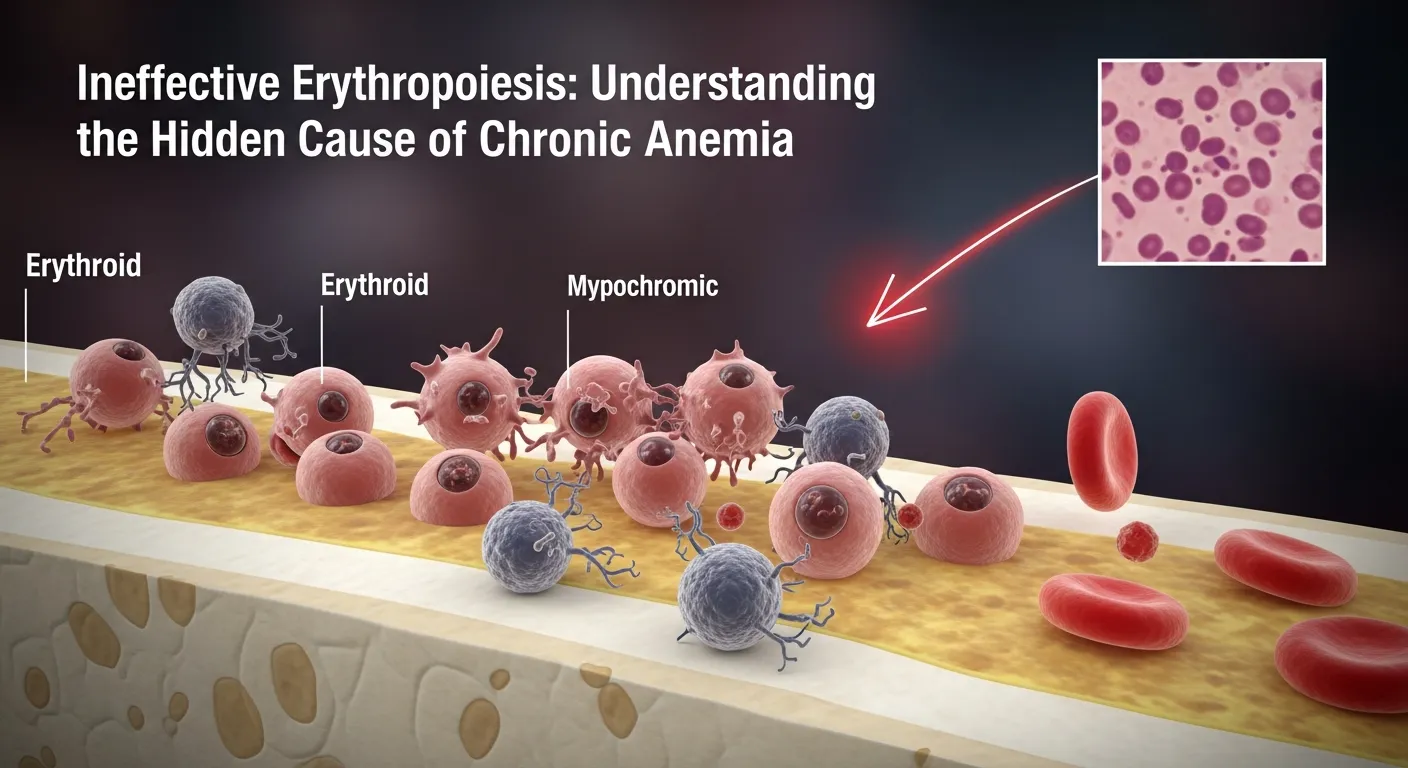
Ineffective erythropoiesis is a major cause of anemia in thalassemia. This guide explains its causes, symptoms, diagnosis, complications, and treatment options while exploring the connection between abnormal red blood cell production and beta thalassemia erythropoiesis.
What Is Ineffective Erythropoiesis?
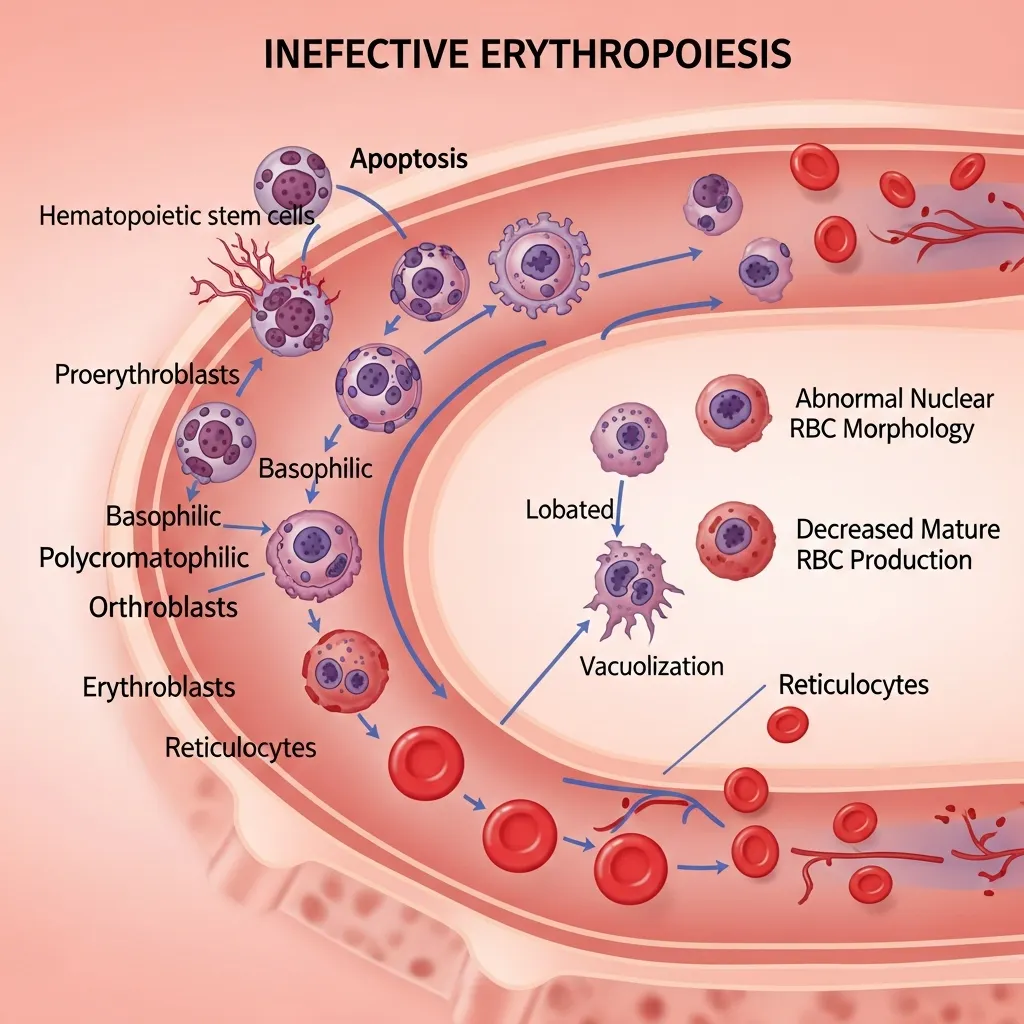 Erythropoiesis is the biological process through which the bone marrow produces red blood cells (erythrocytes). These cells play a vital role in transporting oxygen from the lungs to tissues throughout the body and carrying carbon dioxide back to the lungs for removal. Under normal circumstances, hematopoietic stem cells in the bone marrow develop through several maturation stages before becoming fully functional red blood cells capable of surviving in circulation for approximately 120 days.
Ineffective erythropoiesis occurs when this process is disrupted. Although the bone marrow continues to produce large numbers of developing red blood cells, many of these immature cells fail to mature properly and are destroyed before they can enter the bloodstream. This premature death of erythroid precursor cells significantly reduces the number of healthy red blood cells available to transport oxygen, resulting in chronic anemia and related complications.
In response to declining oxygen levels, the kidneys release increased amounts of erythropoietin (EPO), a hormone that stimulates red blood cell production. The bone marrow reacts by becoming hyperactive and expanding its production efforts. However, because the underlying defect remains unresolved, much of this increased activity is ineffective. Instead of producing more healthy cells, the marrow generates additional abnormal cells that are ultimately destroyed.
This imbalance creates a continuous cycle of excessive red blood cell production and premature cell loss, leading to several serious consequences:
- Persistent anemia
- Increased bone marrow activity
- Expansion of bone structures
- Enlargement of the spleen (splenomegaly)
- Iron overload complications
- Chronic fatigue and weakness
- Delayed growth and development in children
- Increased risk of organ damage over time
One of the defining characteristics of ineffective erythropoiesis is that the bone marrow appears highly active, yet the number of mature circulating red blood cells remains insufficient. This distinguishes it from conditions where anemia results primarily from blood loss or decreased marrow production.
The condition is a hallmark feature of several hematological diseases, particularly inherited disorders affecting hemoglobin production. Ineffective erythropoiesis in thalassemia is among the most extensively studied examples because defective globin chain synthesis directly interferes with normal red blood cell maturation. Similar mechanisms may also occur in congenital dyserythropoietic anemias, myelodysplastic syndromes, and severe vitamin B12 or folate deficiencies.
From a clinical perspective, ineffective erythropoiesis is more than just a cause of anemia. It contributes to many of the long-term complications associated with chronic blood disorders, including skeletal abnormalities, splenic enlargement, endocrine dysfunction, and iron overload. Understanding how and why this process occurs is essential for developing effective treatment strategies and improving patient outcomes.
As research continues to uncover the molecular pathways involved in red blood cell maturation, scientists are identifying new therapeutic targets aimed at reducing ineffective erythropoiesis and promoting healthier erythrocyte production. These advances offer promising opportunities for individuals living with thalassemia and other disorders characterized by abnormal red blood cell production.
Understanding Normal Red Blood Cell Production
To fully understand how ineffective erythropoiesis develops, it is important first to understand how healthy red blood cell production normally occurs. Red blood cells are essential for life because they transport oxygen from the lungs to tissues throughout the body and carry carbon dioxide back to the lungs for elimination. This continuous process of red blood cell formation is known as erythropoiesis.
Erythropoiesis takes place primarily in the bone marrow, a soft tissue found inside many bones. The process begins with hematopoietic stem cells, which are specialized cells capable of developing into various types of blood cells. Under the influence of growth factors and hormones, particularly erythropoietin (EPO), these stem cells gradually mature into functional red blood cells.
The maturation process occurs through several distinct stages:
- Stem Cell – The original precursor cell capable of producing all blood cell types.
- Proerythroblast – The earliest committed red blood cell precursor.
- Basophilic Erythroblast – A stage characterized by active protein and hemoglobin production.
- Polychromatic Erythroblast – Developing cells begin accumulating larger amounts of hemoglobin.
- Orthochromatic Erythroblast – The cell prepares for maturation by condensing and eventually removing its nucleus.
- Reticulocyte – An immature red blood cell released into circulation.
- Mature Red Blood Cell (Erythrocyte) – A fully functional oxygen-carrying cell capable of circulating for approximately 120 days.
Under normal conditions, the majority of developing erythroid cells successfully complete this maturation process and enter the bloodstream. The body carefully regulates erythropoiesis to maintain a stable supply of healthy red blood cells and adequate oxygen delivery.
Several factors are essential for healthy erythropoiesis:
Adequate Iron Availability
Iron is a critical component of hemoglobin, the oxygen-carrying protein inside red blood cells. Without sufficient iron, hemoglobin production becomes impaired, leading to reduced oxygen transport capacity.
Proper Hemoglobin Synthesis
Hemoglobin consists of alpha and beta globin chains that must be produced in balanced amounts. Any disruption in globin chain production can interfere with red blood cell maturation and survival.
Sufficient Vitamin B12 and Folate
These vitamins are necessary for DNA synthesis and cell division. Deficiencies can result in abnormal red blood cell development and ineffective blood formation.
Functional Bone Marrow
Healthy bone marrow provides the environment necessary for blood cell growth and maturation. Bone marrow disorders can significantly impair erythropoiesis.
Balanced Erythropoietin Levels
Erythropoietin, produced mainly by the kidneys, stimulates red blood cell production when oxygen levels fall. Appropriate regulation of this hormone ensures a stable red blood cell supply.
When any of these factors are disrupted, the normal maturation process may fail, resulting in abnormal red blood cell production and the development of anemia.
How Ineffective Erythropoiesis Develops
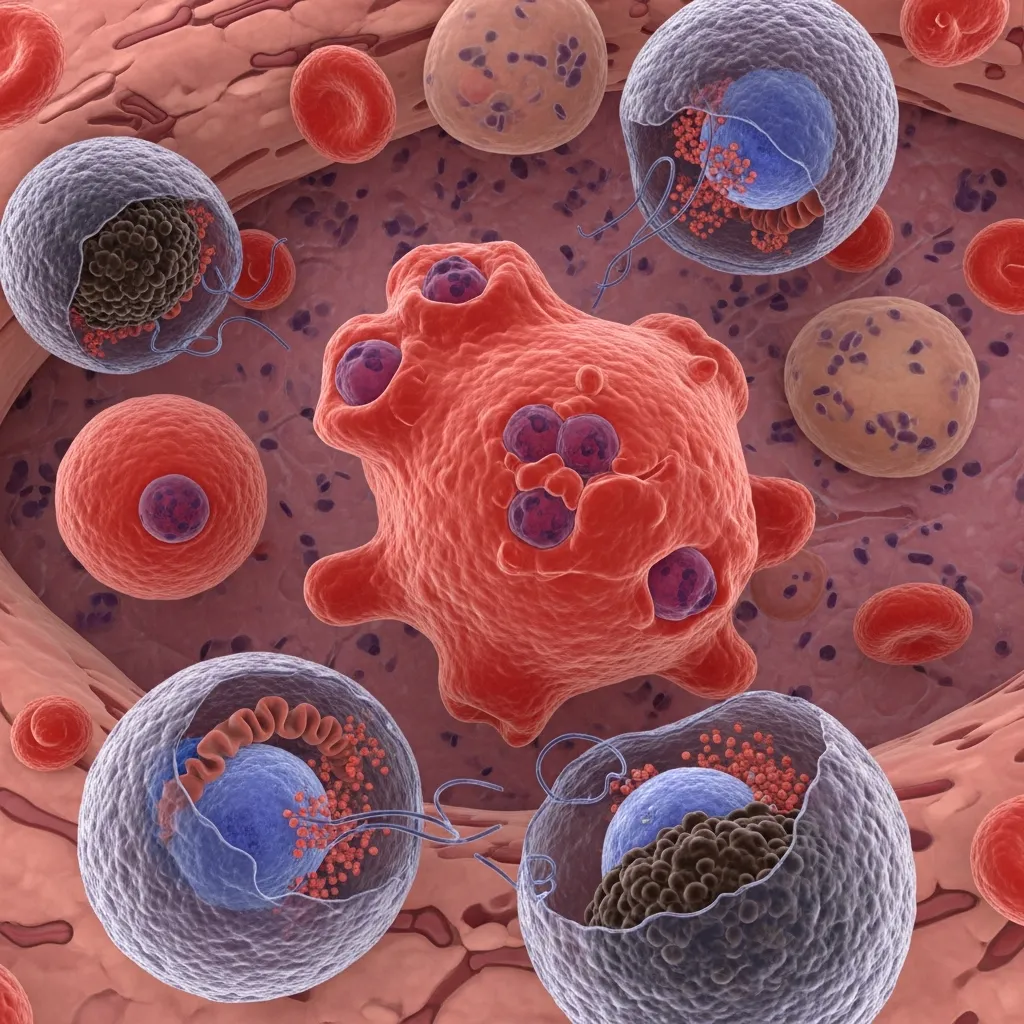 The hallmark of ineffective erythropoiesis is the excessive destruction of immature erythroid cells within the bone marrow before they can become mature circulating red blood cells. Although the bone marrow may appear highly active and produce large numbers of precursor cells, many of these cells die prematurely, leading to persistent anemia despite increased production efforts.
This process is particularly important in ineffective erythropoiesis in thalassemia, where defects in hemoglobin synthesis disrupt normal red blood cell maturation.
Several biological mechanisms contribute to the development of ineffective erythropoiesis.
Defective Hemoglobin Production
Hemoglobin is essential for oxygen transport and red blood cell stability. In disorders such as beta thalassemia, mutations affecting globin chain production create an imbalance between alpha and beta chains. Excess unpaired globin chains accumulate inside developing erythroid cells, causing cellular damage and interfering with normal maturation.
As a result, many precursor cells become structurally abnormal and are destroyed within the bone marrow before reaching the bloodstream.
Increased Cell Death (Apoptosis)
A significant proportion of immature erythroid cells undergo programmed cell death, known as apoptosis. This occurs because defective hemoglobin synthesis, oxidative stress, and intracellular damage activate cellular pathways that trigger self-destruction.
The increased loss of erythroid precursors dramatically reduces the number of mature red blood cells available for circulation, contributing to chronic anemia.
Oxidative Stress
Oxidative stress plays a major role in beta-thalassemia erythropoiesis. Excess free radicals generated during abnormal hemoglobin formation damage cell membranes, proteins, and DNA.
This oxidative injury weakens developing red blood cells and accelerates their destruction before maturation. The resulting cellular damage further worsens ineffective erythropoiesis and contributes to disease progression.
Bone Marrow Overactivity
As anemia develops, the kidneys detect reduced oxygen delivery and release larger amounts of erythropoietin. This hormone stimulates the bone marrow to increase red blood cell production.
Although the marrow responds by producing more erythroid precursor cells, the underlying maturation defect remains unresolved. Consequently, the expanded production effort fails to generate enough healthy red blood cells.
Over time, this chronic stimulation causes bone marrow expansion, skeletal changes, and increased energy demands on the body. In severe cases, the marrow may expand beyond its normal boundaries, leading to characteristic bone deformities observed in some thalassemia patients.
Iron Dysregulation
Another important contributor to ineffective erythropoiesis is abnormal iron metabolism. The body attempts to compensate for anemia by increasing intestinal iron absorption. However, because red blood cell maturation remains defective, much of this iron is not effectively utilized.
This process can eventually lead to iron overload, which damages organs such as the liver, heart, and endocrine glands. Iron overload is therefore both a consequence and a complication of chronic ineffective erythropoiesis.
Chronic Inflammatory Effects
Recent research suggests that inflammatory signaling pathways may further impair erythroid maturation. Certain cytokines and inflammatory mediators can suppress healthy red blood cell development, creating additional barriers to effective erythropoiesis.
These combined mechanisms create a vicious cycle in which the body continuously attempts to increase red blood cell production, yet fails to produce enough healthy cells to correct anemia. Understanding these processes is essential for developing targeted therapies aimed at improving erythroid maturation and reducing the complications associated with abnormal red blood cell production.
Ineffective Erythropoiesis in Thalassemia
Ineffective erythropoiesis in thalassemia represents one of the most significant drivers of disease severity.
Thalassemia is a genetic disorder characterized by reduced or absent production of globin chains required for hemoglobin synthesis. Because hemoglobin cannot form properly, immature red blood cells become damaged and die prematurely.
In beta thalassemia:
- Beta-globin production is reduced or absent.
- Alpha-globin chains accumulate excessively.
- Cellular damage increases.
- Bone marrow expansion accelerates.
- Chronic anemia develops.
This cycle creates severe ineffective erythropoiesis and contributes to many long-term complications.
For a deeper understanding of the genetic mechanisms involved, see:
https://thalassemiaawarenet.com/thalassemia-genetic-mutation-guide/
The Relationship Between Beta Thalassemia Erythropoiesis and Anemia
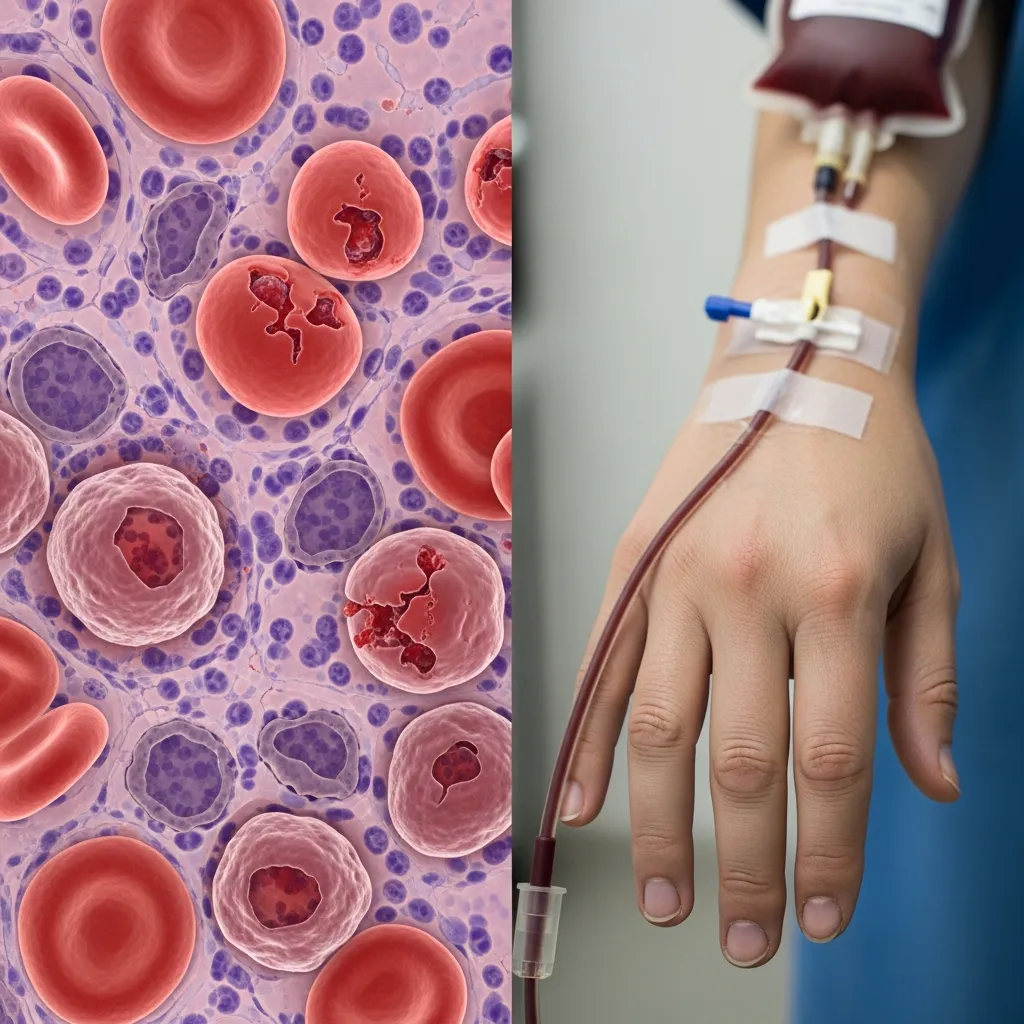 Beta thalassemia erythropoiesis differs significantly from normal blood cell production.
In healthy individuals, most erythroid precursor cells survive maturation. In beta thalassemia, a substantial proportion dies within the bone marrow.
Consequences include:
- Severe anemia
- Increased fatigue
- Poor exercise tolerance
- Growth delays in children
- Skeletal abnormalities
The body attempts to compensate by expanding bone marrow activity, but the compensation remains ineffective because defective cells continue to die before maturation.
Common Causes of Ineffective Erythropoiesis
Although thalassemia is a major cause, several other conditions can trigger ineffective erythropoiesis.
1. Beta Thalassemia
The most recognized cause due to defective globin chain production.
2. Alpha Thalassemia
Reduced alpha-globin synthesis also disrupts normal erythroid maturation.
3. Myelodysplastic Syndromes
Bone marrow disorders frequently produce abnormal blood cell development.
4. Megaloblastic Anemia
Vitamin B12 and folate deficiencies interfere with DNA synthesis.
5. Congenital Dyserythropoietic Anemias
Rare inherited disorders directly affecting erythroid maturation.
6. Severe Iron Metabolism Disorders
Iron imbalance may impair normal erythropoiesis.
Symptoms of Ineffective Erythropoiesis
Symptoms generally result from chronic anemia and increased bone marrow activity.
General Symptoms
- Fatigue
- Weakness
- Dizziness
- Shortness of breath
- Pale skin
- Rapid heartbeat
Advanced Symptoms
- Bone pain
- Facial bone changes
- Enlarged spleen
- Enlarged liver
- Delayed growth
- Delayed puberty
Patients with severe ineffective erythropoiesis in thalassemia may experience more pronounced symptoms due to lifelong anemia.
Complications Associated With Ineffective Erythropoiesis
If left unmanaged, ineffective erythropoiesis can contribute to numerous complications.
Iron Overload
Increased intestinal iron absorption occurs even without frequent transfusions.
Bone Deformities
Persistent marrow expansion affects skeletal development.
Splenomegaly
The spleen enlarges due to excessive destruction of abnormal blood cells.
Endocrine Disorders
Iron accumulation can damage hormone-producing glands.
Cardiovascular Stress
Chronic anemia forces the heart to work harder.
Diagnosing Ineffective Erythropoiesis
Diagnosis involves multiple laboratory and clinical assessments.
Complete Blood Count (CBC)
A CBC helps identify anemia severity and red blood cell abnormalities.
Reticulocyte Count
Reticulocyte levels help evaluate marrow response.
Hemoglobin Analysis
Hemoglobin electrophoresis identifies thalassemia and related disorders.
Bone Marrow Examination
Bone marrow studies reveal erythroid hyperplasia and maturation defects.
Genetic Testing
Genetic analysis confirms inherited conditions.
For more details on diagnostic testing:
https://thalassemiaawarenet.com/thalassemia-diagnosis-tests/
Laboratory Findings in Beta Thalassemia Erythropoiesis
Common findings include:
- Low hemoglobin levels
- Microcytic anemia
- Elevated erythropoietin
- Increased marrow activity
- Elevated ferritin levels
- Abnormal hemoglobin fractions
These laboratory abnormalities reflect severe abnormal red blood cell production and ongoing ineffective erythropoiesis.
Treatment Approaches
Treatment depends on the underlying cause and disease severity.
Blood Transfusions
Regular transfusions provide healthy red blood cells and suppress ineffective erythropoiesis.
Related reading:
https://thalassemiaawarenet.com/thalassemia-treatment-blood-transfusions/
Iron Chelation Therapy
Chelation medications remove excess iron from the body.
Folic Acid Supplementation
Supports red blood cell development.
Splenectomy
May be considered in selected cases with severe splenic enlargement.
Emerging Therapies
New therapies target pathways involved in erythroid maturation and ineffective erythropoiesis.
Gene Therapy and Future Treatment Possibilities
Gene therapy is transforming the treatment landscape for thalassemia.
Researchers aim to:
- Correct defective genes
- Restore normal hemoglobin production
- Reduce transfusion dependence
- Improve erythroid maturation
Learn more:
https://thalassemiaawarenet.com/gene-therapy-for-thalassemia/
Lifestyle Strategies for Managing Chronic Anemia
Although lifestyle changes cannot cure ineffective erythropoiesis, they can support overall health.
Nutritional Support
Focus on:
- Folate-rich foods
- Vitamin B12 sources
- Adequate protein intake
Physical Activity
Moderate exercise supports cardiovascular health.
Routine Monitoring
Regular blood tests help detect complications early.
Vaccinations
Prevent infections that may worsen anemia.
The Role of Hemoglobin Synthesis Disorders
Many cases of ineffective erythropoiesis are linked to hemoglobin synthesis abnormalities.
Disruptions in globin chain production impair maturation and increase cell death.
Internal resource:
https://thalassemiaawarenet.com/hemoglobin-synthesis-disorders/
Prevention and Genetic Counseling
 Inherited causes cannot always be prevented, but genetic counseling can reduce disease transmission risks.
Recommended measures include:
- Carrier screening
- Prenatal testing
- Family genetic counseling
- Public awareness programs
Additional information:
https://thalassemiaawarenet.com/beta-thalassemia-causes-complete-guide/
Research Advances and Emerging Insights
Scientists continue to investigate the molecular pathways responsible for ineffective erythropoiesis.
Promising research areas include:
- Activin receptor ligand traps
- Gene editing technologies
- Novel erythropoiesis stimulators
- Improved iron regulation therapies
These innovations may significantly improve outcomes for patients with ineffective erythropoiesis in thalassemia.
Conclusion
Ineffective erythropoiesis is a fundamental mechanism underlying many forms of chronic anemia, particularly thalassemia. The condition arises when immature red blood cells fail to mature properly and are destroyed before entering circulation. This process leads to abnormal red blood cell production, persistent anemia, bone marrow expansion, and multiple long-term complications.
In beta thalassemia erythropoiesis, ineffective erythropoiesis plays a central role in disease progression and symptom severity. Advances in diagnosis, transfusion strategies, iron management, and gene therapy continue to improve patient outcomes. By understanding the causes and consequences of ineffective erythropoiesis, patients and healthcare providers can work together to achieve better long-term management and quality of life.
Frequently Asked Questions (FAQ)
1. What is ineffective erythropoiesis?
It is the premature destruction of developing red blood cells within the bone marrow before they become mature circulating cells.
2. Why is ineffective erythropoiesis common in thalassemia?
Defective globin chain production damages immature red blood cells, causing them to die before maturation.
3. How does ineffective erythropoiesis cause anemia?
The body cannot produce enough mature red blood cells to replace those being destroyed.
4. What is abnormal red blood cell production?
It refers to defects in the development, maturation, or survival of red blood cells.
5. What symptoms are associated with ineffective erythropoiesis?
Fatigue, weakness, pale skin, shortness of breath, and enlarged spleen are common symptoms.
6. How is ineffective erythropoiesis diagnosed?
Diagnosis involves blood tests, hemoglobin studies, genetic testing, and sometimes bone marrow examination.
7. Can ineffective erythropoiesis be cured?
Treatment focuses on managing the underlying cause. Some patients may benefit from gene therapy or stem cell transplantation.
8. Does ineffective erythropoiesis cause iron overload?
Yes. Increased iron absorption can occur even in patients who receive few or no transfusions.
9. What role does beta thalassemia erythropoiesis play in disease severity?
Defective erythropoiesis contributes directly to anemia, bone changes, and other complications.
10. Are new treatments being developed?
Yes. Researchers are developing gene therapies, erythroid maturation agents, and advanced iron-regulation treatments.
