


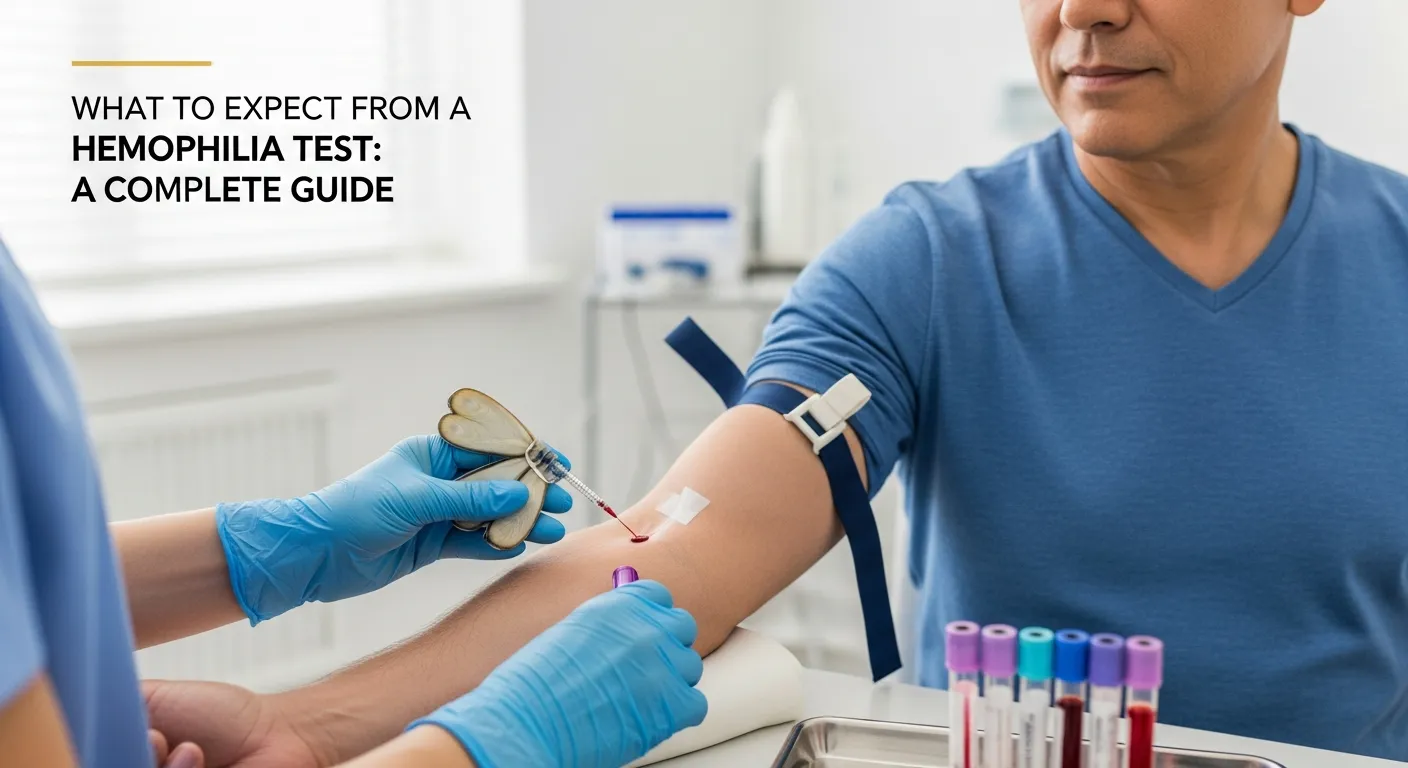
A hemophilia test is a set of blood tests used to diagnose hemophilia and other clotting disorders by measuring clotting factor levels and how well blood forms clots. It helps doctors identify Factor VIII or Factor IX deficiencies, confirm severity, and guide treatment planning. Early testing is essential for preventing excessive bleeding complications and ensuring proper medical care.
Understanding the Need for a Hemophilia Test
 Recognizing the warning signs of a bleeding disorder is the first step toward getting a proper diagnosis. A hemophilia test is usually ordered when a patient exhibits unusual bleeding patterns or has a known family history of the disease.
Symptoms and Signs that Warrant Testing
The symptoms of hemophilia vary depending on the level of clotting factors present in the blood. If your clotting factor level is mildly reduced, you might only bleed after surgery or significant trauma. If the deficiency is severe, you can experience spontaneous bleeding.
Easy bruising
People with hemophilia often develop large, deep bruises from minor bumps or everyday activities. These bruises take longer to heal and appear more frequently than they do in individuals without a bleeding disorder.
Prolonged bleeding after injury or surgery
Continuous bleeding after a minor cut, dental procedure, or surgery is a classic indicator. If a wound continues to ooze blood for hours or restarts bleeding after it initially stopped, a hemophilia test is highly recommended.
Spontaneous bleeding
Severe hemophilia can cause spontaneous bleeding without any obvious cause. This might manifest as frequent and difficult-to-stop nosebleeds or sudden blood in the urine or stool.
Joint bleeding (hemarthrosis)
Bleeding into the joints is one of the most painful and damaging symptoms. It often affects the knees, elbows, and ankles. The joint may become swollen, hot to the touch, and extremely painful to move. Over time, repeated joint bleeding causes chronic arthritis and permanent joint damage.
Genetic Factors and Family History
Hemophilia is almost always inherited through an X-linked recessive pattern. This means the mutated gene is located on the X chromosome. Because males have one X and one Y chromosome, a single defective X chromosome will cause the disease. Females, having two X chromosomes, are typically carriers and may experience mild symptoms. If you have a family history of hemophilia or unexplained bleeding disorders, a hemophilia test can identify your carrier status or confirm a diagnosis in your children. You can read more about the genetics of bleeding disorders on the Centers for Disease Control and Prevention (CDC) website.
When to Consider a Hemophilia Test
You should consult a doctor about a hemophilia test if you notice any of the bleeding symptoms mentioned above. For families with a known history of the condition, testing can be performed on umbilical cord blood during pregnancy or on a newborn’s blood immediately after birth. Early testing ensures that proper precautions are taken during infancy and childhood.
The Diagnostic Process: How is a Hemophilia Test Performed?
Diagnosing hemophilia involves a combination of clinical evaluations and specialized laboratory tests. The diagnostic process is straightforward but requires precise analysis to determine the exact nature of the bleeding disorder.
Initial Consultation and Medical History
Your doctor will begin by taking a detailed medical and family history. They will ask about your bleeding episodes, how long they last, and whether any relatives have similar issues. A physical examination will also help identify signs of joint damage or unusual bruising.
Blood Tests for a Hemophilia Test
If the clinical history suggests a bleeding disorder, the doctor will order a specific hemophilia test panel. This involves drawing a blood sample from a vein and sending it to a laboratory for analysis.
Complete Blood Count (CBC)
A Complete Blood Count measures the amount of hemoglobin, the size and number of red blood cells, and the numbers of white blood cells and platelets. While a CBC is normal in most people with hemophilia, it helps rule out other conditions like anemia or low platelet counts.
Prothrombin Time (PT) and Activated Partial Thromboplastin Time (aPTT)
These screening tests measure how long it takes for your blood to clot. The PT test assesses the extrinsic clotting pathway, while the aPTT test evaluates the intrinsic pathway. In classic hemophilia, the PT is usually normal, but the aPTT is prolonged, indicating a delay in clot formation.
Fibrinogen Level
Fibrinogen is another protein required for blood clotting. This test ensures that your prolonged bleeding is not caused by a fibrinogen deficiency.
Factor Assays (Factor VIII, Factor IX, Factor XI)
If the screening tests show abnormal clotting times, a factor assay is the definitive hemophilia test. This test identifies the specific type of hemophilia and its severity. A deficiency in Factor VIII indicates Hemophilia A, while a lack of Factor IX points to Hemophilia B. The severity is graded as mild, moderate, or severe based on the percentage of clotting factor present.
Genetic Testing
Genetic testing can identify the specific mutation causing the disorder. This is particularly useful for identifying female carriers in families with a history of hemophilia and for prenatal diagnosis.
Interpreting Hemophilia Test Results
Your hematologist will explain your hemophilia test results in detail. A normal factor level is typically between 50% and 150%. Mild hemophilia is diagnosed when factor levels are between 6% and 49%. Moderate cases range from 1% to 5%, and severe hemophilia is defined by factor levels below 1%. Understanding these numbers helps dictate your customized treatment plan.
Preparing for a Hemophilia Test
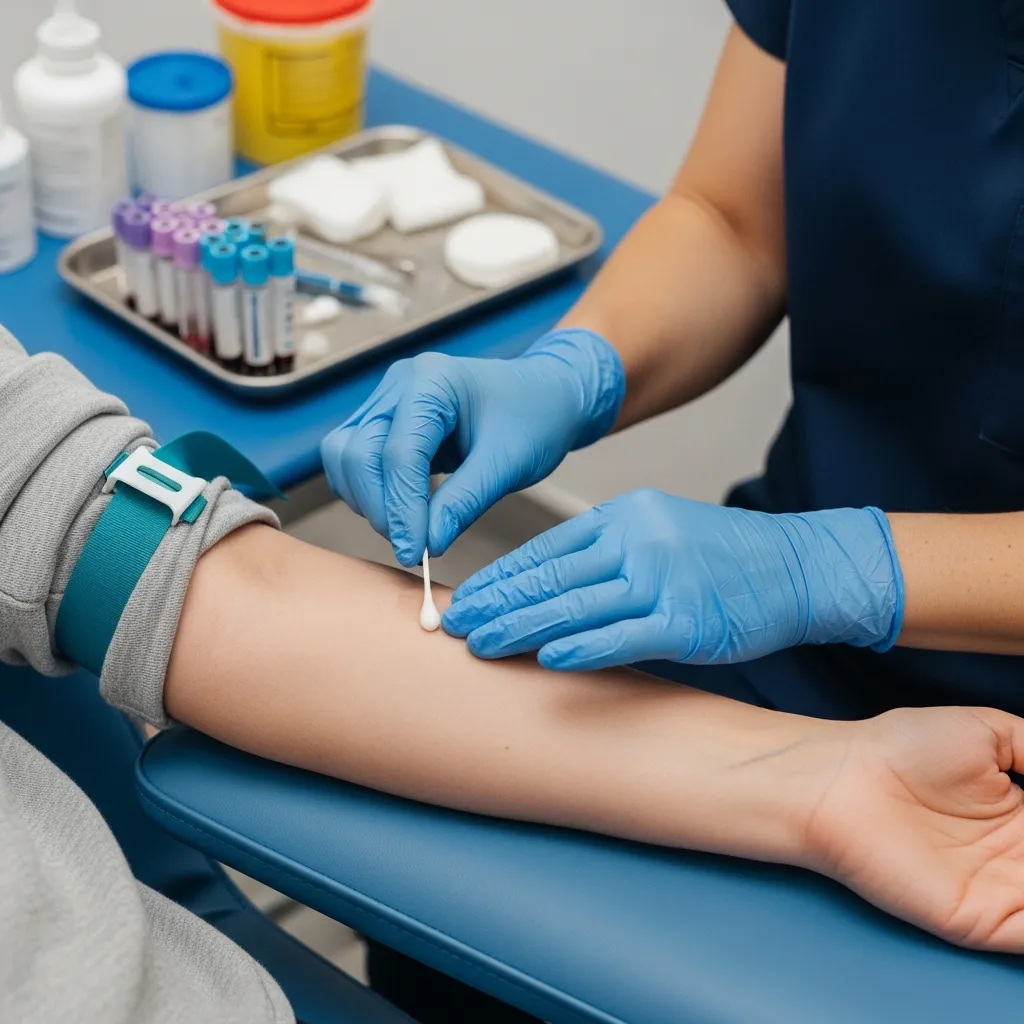 Taking a hemophilia test requires minimal preparation, but clear communication with your healthcare provider ensures accurate results.
What to Discuss with Your Doctor
Inform your doctor about any recent bleeding episodes, surgeries, or dental procedures. Be transparent about your family history, even if the details seem minor.
Medications to Avoid Before Testing
Certain medications interfere with blood clotting and can skew your hemophilia test results. Your doctor will likely advise you to stop taking blood thinners, aspirin, and nonsteroidal anti-inflammatory drugs (NSAIDs) like ibuprofen for a specific period before your blood draw. Always follow your physician’s exact instructions regarding medication.
What to Expect During the Hemophilia Test
The physical portion of a hemophilia test is a standard blood draw. A nurse or phlebotomist will clean an area on your arm, insert a small needle into a vein, and collect the necessary blood samples. You might feel a quick pinch, and the entire process takes only a few minutes. Pressure is applied afterward to prevent bruising.
Living with a Hemophilia Diagnosis
Receiving a hemophilia diagnosis can feel overwhelming, but modern medicine offers excellent tools for managing the condition. Patients can lead active, fulfilling lives by sticking to a comprehensive care plan.
Treatment Options
The primary treatment for hemophilia involves replacing the missing blood clotting factor so the blood can clot properly.
Factor Replacement Therapy
This therapy involves infusing commercially prepared clotting factor concentrates directly into a vein. Patients with severe hemophilia often undergo prophylactic therapy, meaning they receive regular infusions to prevent bleeding episodes before they start. On-demand therapy is used to stop bleeding once it begins.
Gene Therapy
Medical advancements have introduced revolutionary treatments that target the root cause of the disorder. Gene therapy aims to introduce a functional copy of the defective gene into the patient’s body, allowing them to produce their own clotting factors. This can significantly reduce or eliminate the need for regular factor infusions.
Other Medications (e.g., Desmopressin)
For mild Hemophilia A, a synthetic hormone called desmopressin (DDAVP) can stimulate the body to release stored Factor VIII. Other medications, like antifibrinolytics, prevent blood clots from breaking down prematurely.
Management Strategies for Daily Life
Daily life with hemophilia requires mindfulness and proactive health strategies.
Avoiding Injuries
While you shouldn’t live in fear, taking reasonable precautions prevents unnecessary trauma. Wearing protective gear during physical activities and maintaining a safe home environment reduces the risk of accidental bleeding.
Exercise and Physical Activity
Regular exercise builds strong muscles that support and protect your joints, which is crucial for preventing hemarthrosis. Low-impact activities like swimming, walking, and cycling are highly recommended. Always consult your physical therapist before starting a new exercise routine.
Diet and Nutrition
A balanced diet supports overall health, helps maintain a healthy weight, and reduces stress on weight-bearing joints. Exploring a structured diet and nutrition plan provides your body with the vitamins and minerals necessary to recover from bleeding episodes and maintain strong bones.
Importance of a Specialized Care Team
Managing hemophilia requires a multidisciplinary approach. A Hemophilia Treatment Center (HTC) provides access to hematologists, orthopedic specialists, physical therapists, and social workers. This team collaborates to provide holistic care tailored to your specific needs. The National Hemophilia Foundation offers directories to help patients locate specialized care centers near them.
Advances in Hemophilia Testing and Treatment
 The landscape of hemophilia care is constantly evolving. Ongoing research continues to improve diagnostic accuracy and patient quality of life.
Newer Diagnostic Methods
Advanced laboratory techniques are making the hemophilia test faster and more precise. Improvements in genetic sequencing allow for quicker identification of rare mutations, facilitating better carrier screening and family planning.
Emerging Therapies
Beyond gene therapy, researchers are developing non-factor replacement therapies. These innovative drugs mimic the function of missing clotting factors or rebalance the body’s natural blood-clotting mechanisms without requiring intravenous infusions. Many of these newer therapies are administered via simple subcutaneous injections.
Impact on Patient Outcomes
These scientific breakthroughs are transforming hemophilia from a severely limiting condition into a manageable chronic disorder. Patients today experience fewer bleeding episodes, less joint damage, and a life expectancy comparable to the general population.
Taking Charge of Your Health and Managing Hemophilia
A hemophilia test is the crucial first step in identifying and treating a bleeding disorder. By analyzing your clotting factors and genetic makeup, this simple blood test provides the data needed to protect your long-term health. While a diagnosis requires lifestyle adjustments, it also opens the door to life-saving treatments and comprehensive medical support.
We encourage individuals experiencing unusual bleeding, and those with a family history of the condition, to seek medical advice promptly. Early intervention prevents irreversible joint damage and ensures you are prepared for surgical procedures or emergencies. The future of hemophilia management is brighter than ever. With continuous advancements in gene therapy and non-factor treatments, individuals living with hemophilia have every reason to look forward to a healthy, active future.
Conclusion
A hemophilia test plays a crucial role in the early detection and management of bleeding disorders. By measuring clotting factor levels and evaluating how well the blood forms clots, doctors can accurately diagnose hemophilia, determine its type, and assess its severity. Early testing not only helps prevent serious complications such as internal bleeding and joint damage but also enables patients and families to plan effective long-term care. With modern diagnostic tools and treatment options, individuals with hemophilia can manage the condition more safely and maintain a better quality of life through timely medical support and preventive care.
Frequently Asked Questions (FAQ)
1. What is a hemophilia test?
A hemophilia test is a blood test used to measure clotting factors and diagnose bleeding disorders like hemophilia A and B.
2. How is hemophilia diagnosed?
Hemophilia is diagnosed through blood tests such as aPTT, PT, and specific clotting factor assays that measure Factor VIII or IX levels.
3. Who should get a hemophilia test?
People with symptoms like easy bruising, frequent nosebleeds, prolonged bleeding, or a family history of bleeding disorders should get tested.
4. Is hemophilia testing painful?
The test only involves drawing blood, so it causes minimal discomfort similar to a routine blood test.
5. Can hemophilia be detected at birth?
Yes, severe cases can sometimes be detected early, especially if there is a known family history of the condition.
6. What is the most important test for hemophilia?
The clotting factor assay test is the most important because it measures the exact level of Factor VIII or IX.
7. What is the difference between Hemophilia A and B?
Hemophilia A is caused by a deficiency of Factor VIII, while Hemophilia B is caused by a deficiency of Factor IX.
8. Are genetic tests used for hemophilia?
Yes, genetic testing can identify mutations responsible for hemophilia and help confirm diagnosis in some cases.
9. Can hemophilia be cured?
There is currently no complete cure, but treatments like clotting factor replacement help manage the condition effectively.
10. Why is early diagnosis important?
Early diagnosis helps prevent severe bleeding complications, reduces joint damage, and improves long-term health outcomes.
