Close Menu

    Subscribe to Updates

    Get the latest creative news from FooBar about art, design and business.

    What's Hot

    Understanding Thalassemia: Causes, Types, Symptoms, and Treatment

    May 16, 2026

    Understanding Anemia Classification: A Complete Guide

    May 14, 2026

    Comprehensive Thalassemia Awareness and Management Guide

    May 12, 2026
    Facebook X (Twitter) Instagram
    Trending
    • Understanding Thalassemia: Causes, Types, Symptoms, and Treatment
    • Understanding Anemia Classification: A Complete Guide
    • Comprehensive Thalassemia Awareness and Management Guide
    • Breakthroughs in Blood: Gene Therapy for Thalassemia
    • Finding the Right Anemia Treatment Doctor: A Complete Guide
    • What You Need to Know About Beta Thalassemia Trait
    • Hemoglobin Panel: The Definitive Guide to Understanding Your Blood Health
    • Navigating an Alpha Thalassemia Carrier Pregnancy
    Facebook X (Twitter) Instagram
    My BlogMy Blog
    • Homepage
    • About us
    • Contact us
    My BlogMy Blog
    Home»Thalassemia Awareness»Managing Thalassemia: Your Guide to Diet and Nutrition
    Thalassemia Awareness

    Managing Thalassemia: Your Guide to Diet and Nutrition

    Amanda ChaseBy Amanda ChaseApril 27, 2026Updated:April 27, 2026No Comments5 Views
    Facebook Twitter Pinterest LinkedIn WhatsApp Reddit Tumblr Email
    thalassemia diet and nutrition
    Share
    Facebook Twitter LinkedIn Pinterest Email

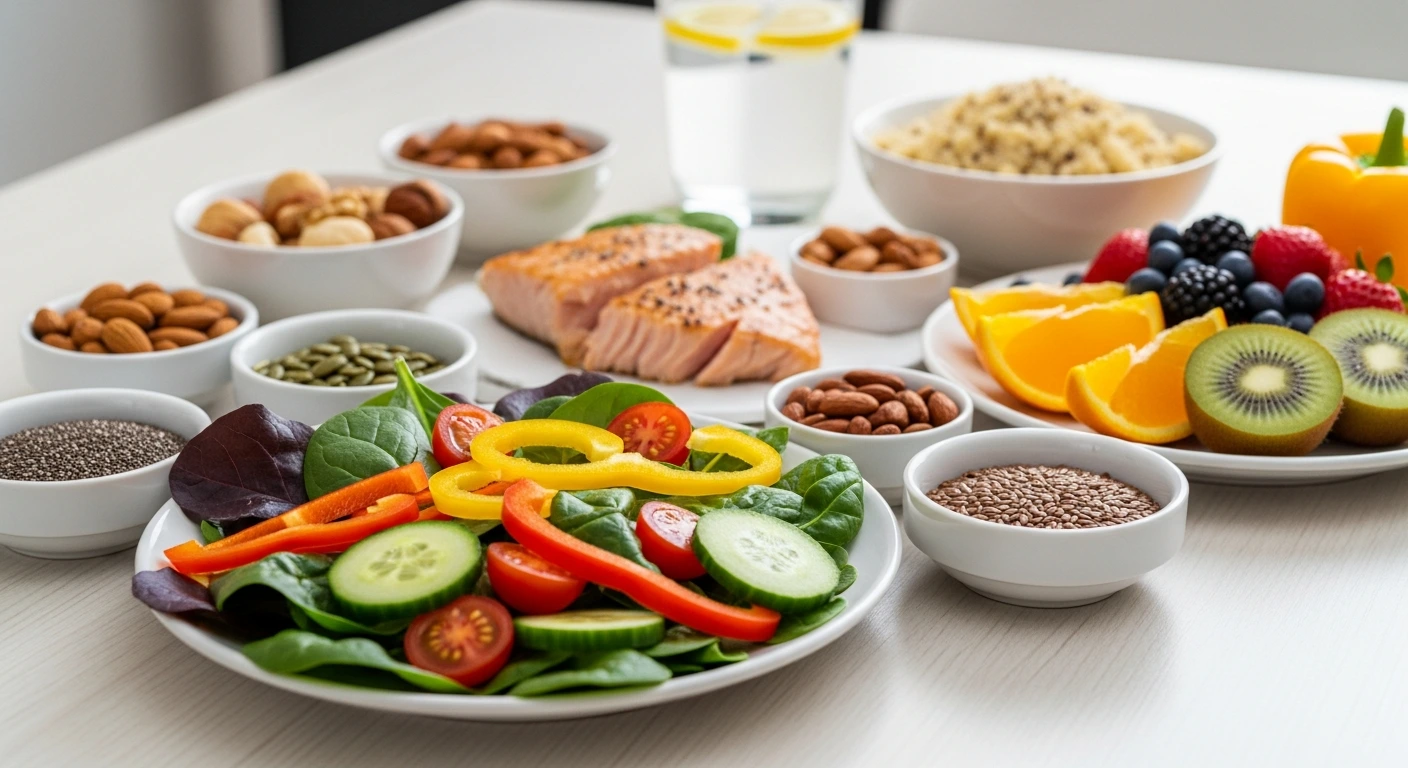
    Thalassemia diet and nutrition focuses on maintaining balanced meals to support blood health, improve energy levels, and reduce complications. A proper diet rich in iron control, vitamins, and essential nutrients helps manage symptoms and improves overall quality of life.

    Understanding Iron Overload in Thalassemia

    One of the most significant challenges for people managing this condition is iron overload. The body naturally absorbs iron from food, but people with thalassemia tend to absorb more iron than usual. Furthermore, individuals who require frequent blood transfusions receive a large amount of iron directly into their bloodstream. The human body lacks a natural mechanism to excrete excess iron effectively.

    When iron accumulates, it builds up in vital organs like the heart, liver, and pancreas. Over time, this buildup can cause severe organ damage and lead to life-threatening complications. Because of this high risk, managing your dietary iron intake is absolutely essential. You must be highly selective about the types of food you consume to prevent dangerous spikes in your iron levels. This is a key part of thalassemia diet and nutrition planning, where careful food selection directly supports long-term health management.

    Red meat and organ meats

    Animal-based foods contain heme iron, which the human body absorbs very easily. Red meats like beef, lamb, and pork are particularly high in heme iron. Organ meats, such as liver and kidneys, contain even higher concentrations. If you are managing iron overload, you should severely limit or completely avoid these meats. Instead, opt for leaner protein sources like chicken, turkey, or fish, which generally contain lower amounts of iron and are safer for your daily meals within a balanced thalassemia diet and nutrition approach.

    Iron-fortified cereals and bread

    Many commercial grain products are artificially enriched with additional nutrients. Food manufacturers frequently add iron to breakfast cereals, bread, pasta, and flour to help the general population meet their daily requirements. For someone with thalassemia, these fortified foods can be dangerous. Always read the nutrition labels carefully when shopping. Look for unfortified, natural whole grains like quinoa, oats, and brown rice to fulfill your carbohydrate needs without the unwanted iron boost as part of proper thalassemia diet and nutrition management.

    Iron supplements

    You should never take over-the-counter multivitamin or mineral supplements that contain iron unless explicitly directed by your hematologist. Even a small daily dose of supplemental iron can rapidly accelerate iron overload. Additionally, be cautious of supplements containing high doses of Vitamin C, as this vitamin significantly increases the body’s ability to absorb iron from plant-based foods. Always consult your healthcare provider before adding any new supplement to your routine to maintain safe thalassemia diet and nutrition practices.
    Essential Nutrients for Thalassemia Management

    Key nutrients for thalassemia management

    While you need to limit iron, your body requires a variety of other essential nutrients to function optimally. A proper thalassemia diet and nutrition plan focuses on providing the building blocks your body needs to produce healthy cells, maintain strong bones, and protect against cellular damage. A well-structured thalassemia diet and nutrition approach ensures long-term health stability while minimizing complications related to iron overload.

    Folic Acid

    Folic acid, also known as Vitamin B9, is a crucial nutrient for cell division and the creation of DNA.

    Importance for red blood cell production

    Because thalassemia causes a rapid turnover of red blood cells, your body constantly works to produce new ones. This continuous production drains your natural stores of folic acid. Maintaining adequate levels of this vitamin is necessary to support the ongoing creation of red blood cells and prevent severe folate-deficiency anemia, which is an important part of thalassemia diet and nutrition management.

    Dietary sources

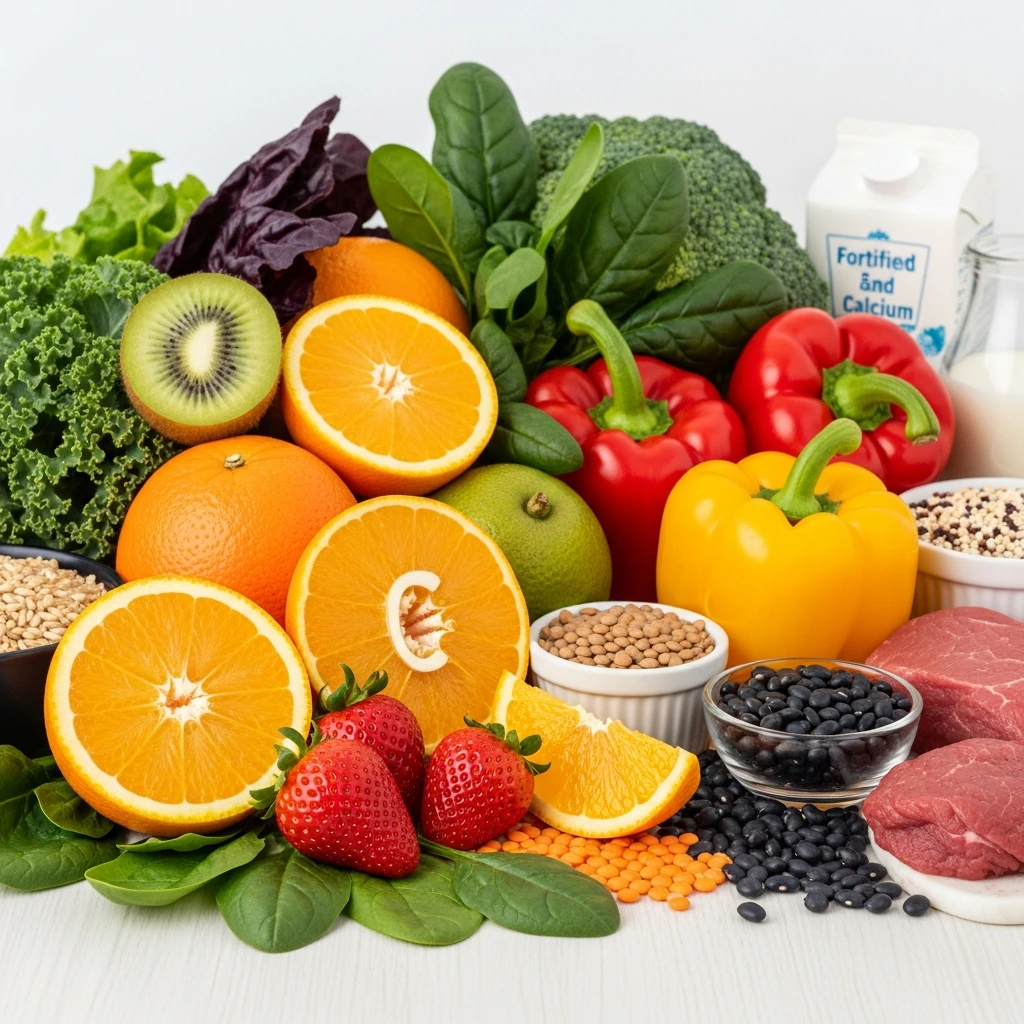
    You can find folic acid naturally in a wide variety of plant foods. Dark leafy greens like spinach, kale, and collard greens are excellent sources. Legumes, including lentils, chickpeas, and black beans, also provide substantial amounts of folate. Incorporating these foods into your daily meals will help keep your folate levels stable and support a balanced thalassemia diet and nutrition plan.

    Vitamin D and Calcium

    Bone health is a major concern for individuals with this blood disorder. The bone marrow often expands as the body tries to produce more red blood cells, which can cause bones to become thin, brittle, and prone to fractures.

    Bone health considerations in thalassemia

    Protecting your skeletal structure requires a steady supply of calcium, the primary mineral found in bones. However, calcium cannot do its job without Vitamin D, which allows the intestines to absorb calcium effectively. A deficiency in either of these nutrients can accelerate bone loss and lead to osteoporosis early in life, making it a key focus of thalassemia diet and nutrition care.

    Sources

    Dairy products like milk, cheese, and yogurt are traditional sources of calcium. If you are lactose intolerant, you can choose calcium-fortified plant milks (ensure they are not also fortified with iron). Your body synthesizes Vitamin D when your skin is exposed to direct sunlight. You can also get Vitamin D from fatty fish, egg yolks, and specific fortified dairy products.

    Zinc

    Zinc is a trace mineral that plays a vital role in cellular metabolism and growth.

    Role in immune function and growth

    Many people with this condition experience stunted growth and a weakened immune system. Zinc is heavily involved in immune response and physical development. Frequent blood transfusions and certain medications can deplete zinc levels, making dietary intake or supplementation necessary as part of a complete thalassemia diet and nutrition strategy.

    Sources

    You can boost your zinc intake by eating nuts and seeds. Pumpkin seeds, cashews, and almonds are particularly good choices. Legumes and certain types of dairy also contain moderate amounts of zinc. Eating a handful of mixed nuts as a daily snack is an easy way to support your immune system.

    Antioxidants

    The constant breakdown of red blood cells and the presence of excess iron create a state of high oxidative stress in the body.

    Combating oxidative stress

    Oxidative stress occurs when there is an imbalance between free radicals and antioxidants, leading to cellular damage. Antioxidants neutralize these harmful free radicals, protecting your tissues and organs from deterioration. Vitamins C, E, and beta-carotene act as powerful antioxidants that help reduce this internal damage, making them essential in thalassemia diet and nutrition planning.

    Rich food sources

    Fruits and vegetables are the best sources of antioxidants. Berries, carrots, sweet potatoes, and bell peppers are loaded with beta-carotene and Vitamin E. Vitamin C-rich foods like oranges and strawberries are also beneficial, but should be consumed wisely and separately from iron-rich meals to avoid increasing iron absorption.

    Hydration and General Dietary Guidelines
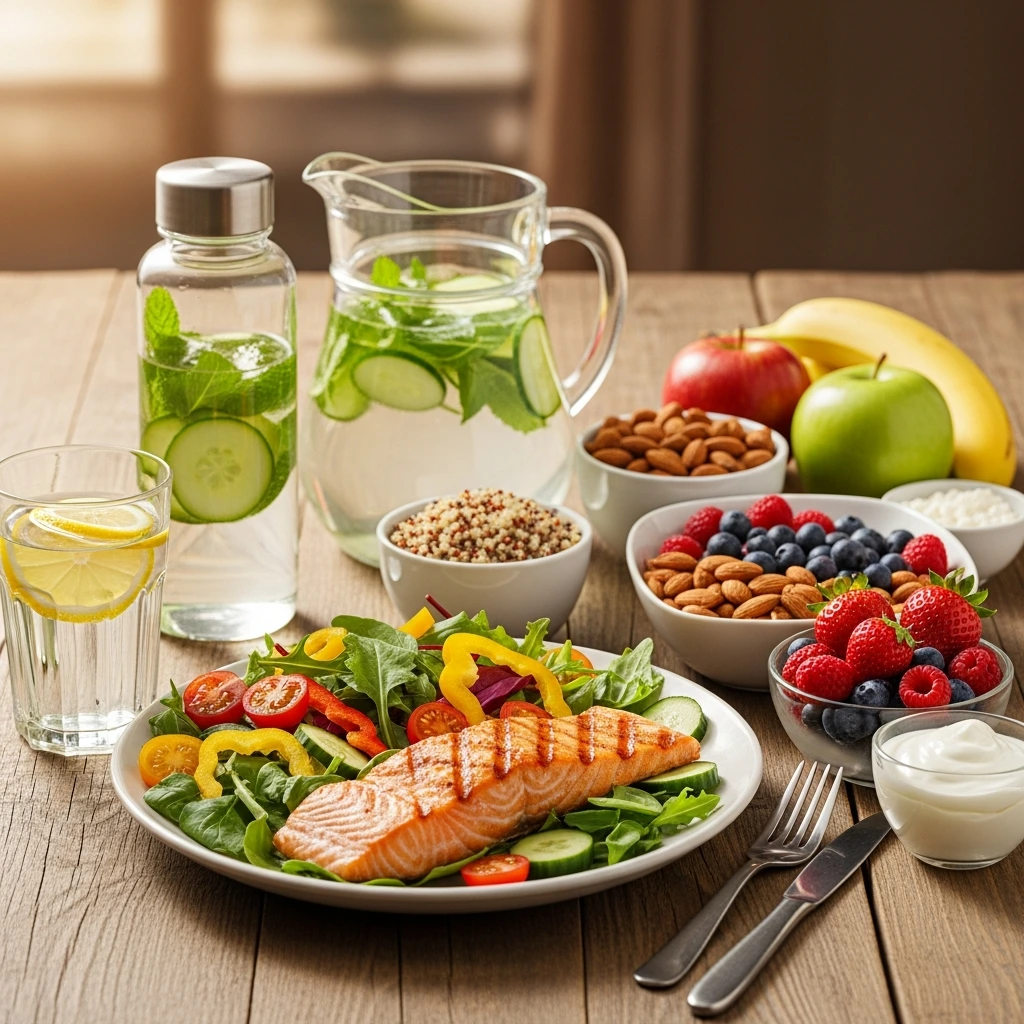
    Hydration and diet guidelinesBeyond specific vitamins and minerals, the overall structure of your daily diet matters immensely. Building a solid foundation of healthy eating habits will support your body’s complex needs and plays an important role in thalassemia diet and nutrition management.

    Importance of adequate fluid intake

    Staying well-hydrated is essential for optimal blood circulation and kidney function. The kidneys work hard to filter waste products from the rapid breakdown of red blood cells. Drinking plenty of water throughout the day helps flush these toxins from your system and prevents dehydration, which can worsen fatigue and weakness.

    Proper hydration also supports better oxygen delivery in the blood, which is especially important for individuals managing thalassemia. Herbal teas and natural fluids can also be included, but water should remain the primary source of hydration in a balanced thalassemia diet and nutrition plan.

    Balanced meals and portion control

    A balanced diet provides a steady stream of energy. Focus on filling your plate with a colorful variety of vegetables, lean proteins, and unfortified complex carbohydrates. Eating smaller, more frequent meals can help stabilize your blood sugar and keep your energy levels consistent throughout the day, reducing the tiredness commonly linked with anemia.

    Including a wide range of nutrients ensures your body gets everything it needs without overloading on iron. This approach is a core principle of effective thalassemia diet and nutrition strategies designed to support long-term health.

    Avoiding processed foods and excessive sugar

    Highly processed foods often contain hidden sources of iron, unhealthy fats, and refined sugars. Diets high in sugar can lead to weight gain, diabetes, and inflammation, which put additional stress on organs already affected by iron overload.

    Fast foods, packaged snacks, and sugary drinks should be limited as much as possible. Instead, focus on whole, natural foods to provide clean energy and reduce unnecessary strain on your body. This is a key part of maintaining a healthy thalassemia diet and nutrition lifestyle.

    Supporting Long-Term Health Through Diet

    Consistently following proper dietary guidelines helps improve energy levels, supports immune function, and reduces complications associated with iron overload. When combined with medical care and regular monitoring, a well-planned thalassemia diet and nutrition approach can significantly improve quality of life and overall well-being.

    Special Considerations and Practical Tips

    Transitioning to a highly specific dietary plan can feel overwhelming at first. However, using a few practical strategies can make managing your nutritional intake much easier and more effective.

    Cooking methods to reduce iron absorption

    How you prepare your food and what you consume with it can change how your body absorbs nutrients. Drinking black tea or coffee with your meals is an excellent strategy. These beverages contain compounds called tannins and polyphenols, which bind to plant-based iron in the digestive tract and significantly reduce its absorption. Additionally, boiling certain vegetables can leach some of their iron content into the water. If you discard the boiling water rather than consuming it as a broth, you reduce the total iron you ingest.

    Meal planning strategies for a thalassemia-friendly diet

    Planning your meals in advance helps you avoid impulsive food choices that might disrupt your nutritional goals. Take time each week to write out a menu that features low-iron proteins, calcium-rich snacks, and plenty of antioxidant-heavy vegetables. Keep a list of safe, unfortified grocery items handy so you can shop efficiently. By prepping safe meals ahead of time, you ensure that you always have a healthy option available when you feel tired.

    The importance of consulting healthcare professionals and dietitians

    Every person’s medical situation is unique. The severity of your condition, your transfusion schedule, and your current iron levels dictate exactly what your body needs. You should never make drastic changes to your diet without medical supervision. Working closely with a registered dietitian who understands blood disorders will help you create a personalized meal plan. They can order regular blood tests to monitor your nutrient levels and adjust your dietary guidelines safely.
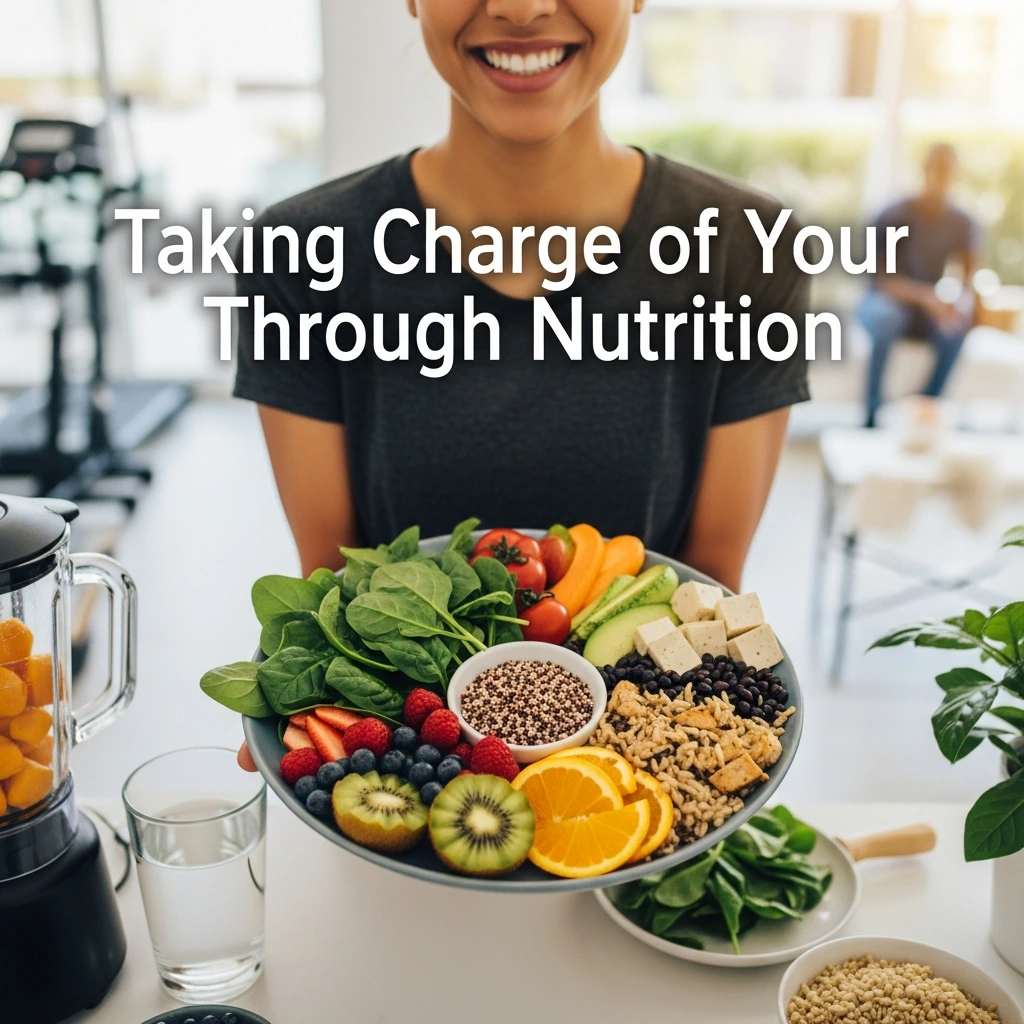
    Taking Charge of Your Health Through Nutrition

    halassemia Nutrition

    Managing a chronic blood disorder requires patience, education, and consistency. While you cannot change your genetics, you have direct control over what you put on your plate. Implementing a careful, nutrient-rich thalassemia diet and nutrition plan is one of the most effective ways to protect your organs, support your energy levels, and enhance your daily life.

    Start by reviewing your pantry and removing highly fortified foods and dangerous supplements. Focus on incorporating fresh vegetables, calcium-rich dairy, and zinc-heavy seeds into your routine. Most importantly, schedule an appointment with your healthcare team to discuss your specific nutritional needs. By taking an active role in your dietary choices today, you pave the way for a healthier, more vibrant future.

    In the long term, consistency is what creates real results. A well-planned thalassemia diet and nutrition approach is not about strict restrictions but about making smarter, sustainable food choices every day. Small improvements, such as reducing iron-rich processed foods and increasing antioxidant intake, can significantly improve your overall health over time.

    Remember, nutrition works alongside medical treatment, not as a replacement. Regular check-ups, blood tests, and doctor guidance are essential to ensure your diet is properly supporting your condition. When combined, medical care and proper thalassemia diet and nutrition habits create a strong foundation for better energy, fewer complications, and improved quality of life.

    FAQ

    1. What is thalassemia diet and nutrition?

    It is a structured eating plan designed to manage iron levels and provide essential nutrients for people with thalassemia.

    2. Why is diet important in thalassemia?

    A proper diet helps control iron overload, supports red blood cell production, and protects vital organs like the heart and liver.

    3. Which foods should be avoided in thalassemia?

    Red meat, organ meats, and iron-fortified foods should be limited to prevent excess iron buildup in the body.

    4. Can people with thalassemia eat iron-rich foods?

    They should avoid or strictly limit high-iron foods unless advised otherwise by a healthcare professional.

    5. What nutrients are most important in thalassemia diet?

    Folic acid, calcium, vitamin D, zinc, and antioxidants are essential for maintaining overall health.

    6. Is milk good for thalassemia patients?

    Yes, calcium-rich dairy products support bone health, but iron-fortified milk alternatives should be checked carefully.

    7. Should vitamin C be avoided?

    Vitamin C should be consumed carefully because it increases iron absorption when taken with iron-rich foods.

    8. Can diet alone treat thalassemia?

    No, diet supports management but medical treatment like transfusions and chelation therapy is also necessary.

    9. How much water should a thalassemia patient drink?

    Adequate daily water intake is important to support kidney function and help remove waste from the body.

    10. Is a special diet required for life?

    Yes, long-term dietary management is usually needed to control iron levels and maintain good health.

    Conclusion

    A well-planned thalassemia diet and nutrition strategy plays a vital role in managing symptoms and preventing complications. By controlling iron intake and focusing on essential nutrients, patients can support healthy blood production, protect organs, and improve energy levels. When combined with medical care and regular monitoring, proper nutrition helps individuals with thalassemia live a healthier and more stable life.

    Thalassemia Diet Thalassemia Diet and Nutrition Thalassemia Nutrition
    Share. Facebook Twitter Pinterest LinkedIn Tumblr Telegram Email
    Amanda Chase
    Amanda Chase

    Editor at ThalassemiaAwarenet, dedicated to creating clear and compassionate content on thalassemia and health topics. Helps patients, families, and caregivers stay informed and empowered to manage their well-being effectively.

    Related Posts

    Understanding Thalassemia: Causes, Types, Symptoms, and Treatment

    May 16, 2026

    Understanding Anemia Classification: A Complete Guide

    May 14, 2026

    Comprehensive Thalassemia Awareness and Management Guide

    May 12, 2026
    Leave A Reply Cancel Reply

    Top Posts

    Essential Tools and Resources for Chronic Illness Management

    April 6, 202615

    Thalassemia Explained: Genetics, Symptoms, and the Chipmunk Face

    April 29, 20266

    Navigating an Alpha Thalassemia Carrier Pregnancy

    May 3, 20265

    A Complete Guide to the Different Kinds of Blood Diseases

    April 28, 20265
    Don't Miss
    Thalassemia Awareness

    Understanding Thalassemia: Causes, Types, Symptoms, and Treatment

    By Amanda ChaseMay 16, 20261

    This comprehensive pillar content explores Thalassemia in depth, covering its genetic basis, various types like…

    Understanding Anemia Classification: A Complete Guide

    May 14, 2026

    Comprehensive Thalassemia Awareness and Management Guide

    May 12, 2026

    Breakthroughs in Blood: Gene Therapy for Thalassemia

    May 11, 2026
    Stay In Touch
    • Facebook
    • Twitter
    • Pinterest
    • Instagram
    • YouTube
    • Vimeo
    Facebook X (Twitter) Instagram Pinterest
    • About us
    • Contact us
    • Privacy Policy
    • Terms & Conditions
    © 2026 Thalassemiaawarenet. All Rights Reserved.

    Type above and press Enter to search. Press Esc to cancel.