Close Menu

    Subscribe to Updates

    Get the latest creative news from FooBar about art, design and business.

    What's Hot

    Understanding Thalassemia: Causes, Types, Symptoms, and Treatment

    May 16, 2026

    Understanding Anemia Classification: A Complete Guide

    May 14, 2026

    Comprehensive Thalassemia Awareness and Management Guide

    May 12, 2026
    Facebook X (Twitter) Instagram
    Trending
    • Understanding Thalassemia: Causes, Types, Symptoms, and Treatment
    • Understanding Anemia Classification: A Complete Guide
    • Comprehensive Thalassemia Awareness and Management Guide
    • Breakthroughs in Blood: Gene Therapy for Thalassemia
    • Finding the Right Anemia Treatment Doctor: A Complete Guide
    • What You Need to Know About Beta Thalassemia Trait
    • Hemoglobin Panel: The Definitive Guide to Understanding Your Blood Health
    • Navigating an Alpha Thalassemia Carrier Pregnancy
    Facebook X (Twitter) Instagram
    My BlogMy Blog
    • Homepage
    • About us
    • Contact us
    My BlogMy Blog
    Home»Thalassemia Awareness»Comprehensive Thalassemia Awareness and Management Guide
    Thalassemia Awareness

    Comprehensive Thalassemia Awareness and Management Guide

    adminBy adminMay 12, 2026Updated:May 12, 2026No Comments2 Views
    Facebook Twitter Pinterest LinkedIn WhatsApp Reddit Tumblr Email
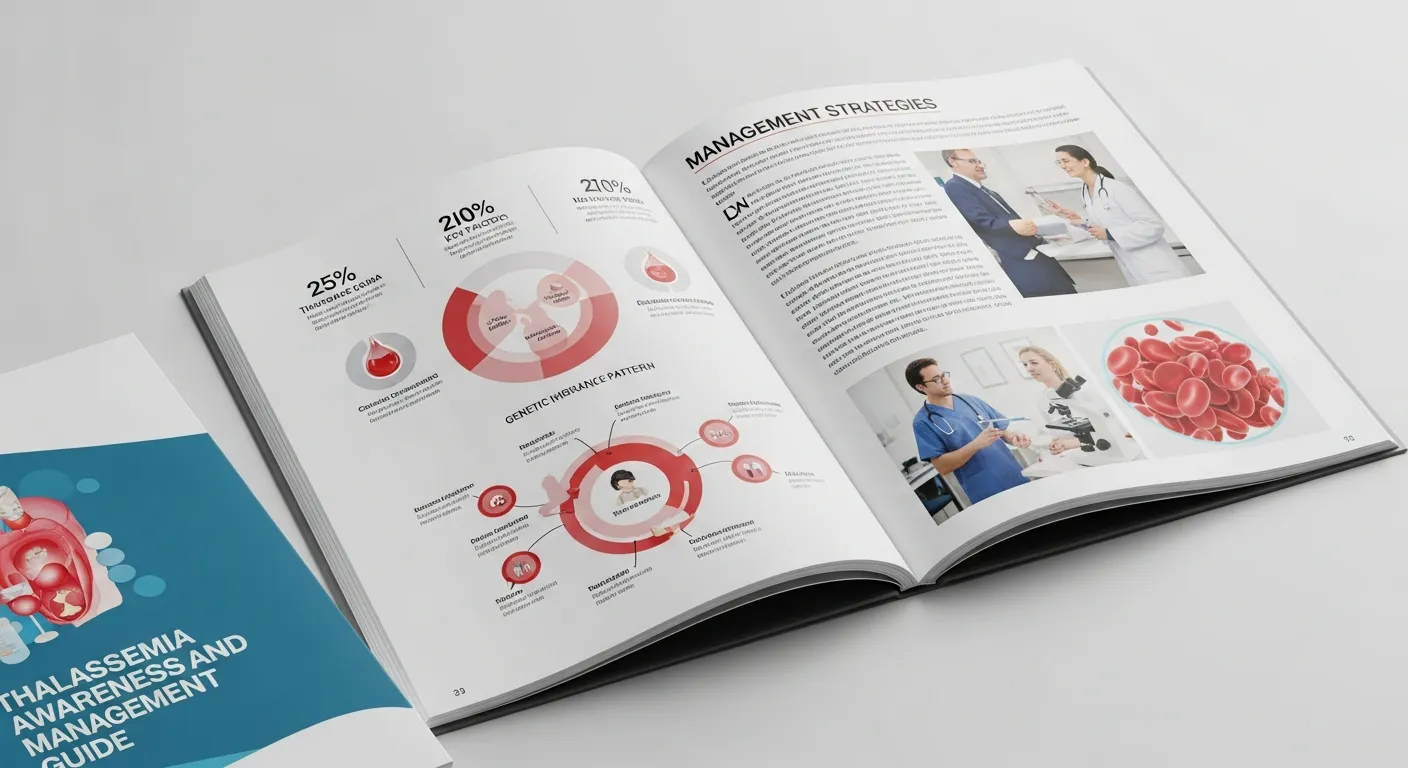
    Thalassemia Awareness and Management Guide
    Share
    Facebook Twitter LinkedIn Pinterest Email

    This thalassemia awareness and management guide explains the causes, symptoms, treatment options, and lifestyle adjustments needed to manage thalassemia effectively. It helps patients and families understand long-term care, healthy living strategies, and ways to improve overall quality of life.
    Millions of people around the globe wake up every day fighting a battle that is invisible to the naked eye. Chronic fatigue, persistent weakness, and regular hospital visits become a normal part of life for those living with thalassemia. Because the outward signs of this genetic blood disorder are often subtle or mistaken for common exhaustion, patients frequently suffer in silence before receiving an accurate diagnosis. Recognizing the early warning signs is the first crucial step toward reclaiming energy and taking control of your health.

    Thalassemia fundamentally alters how the human body functions at a cellular level. It restricts the production of hemoglobin, the vital protein responsible for carrying oxygen from your lungs to your tissues. When your organs are starved of oxygen, every physical system has to work twice as hard just to maintain basic functions. Understanding how this condition develops and progresses is essential for anyone affected by it, whether you are a patient, a carrier, or a family member.

    Education and proactive care make a massive difference in long-term outcomes. A comprehensive Thalassemia Awareness and Management Guide serves as a roadmap for navigating the complexities of this condition. By learning about the latest diagnostic tools, daily nutritional needs, and breakthrough medical treatments, you can build a sustainable lifestyle that protects your vital organs and improves your daily well-being. This Thalassemia Awareness and Management Guide will walk you through the essential components of living a full, vibrant life with thalassemia.

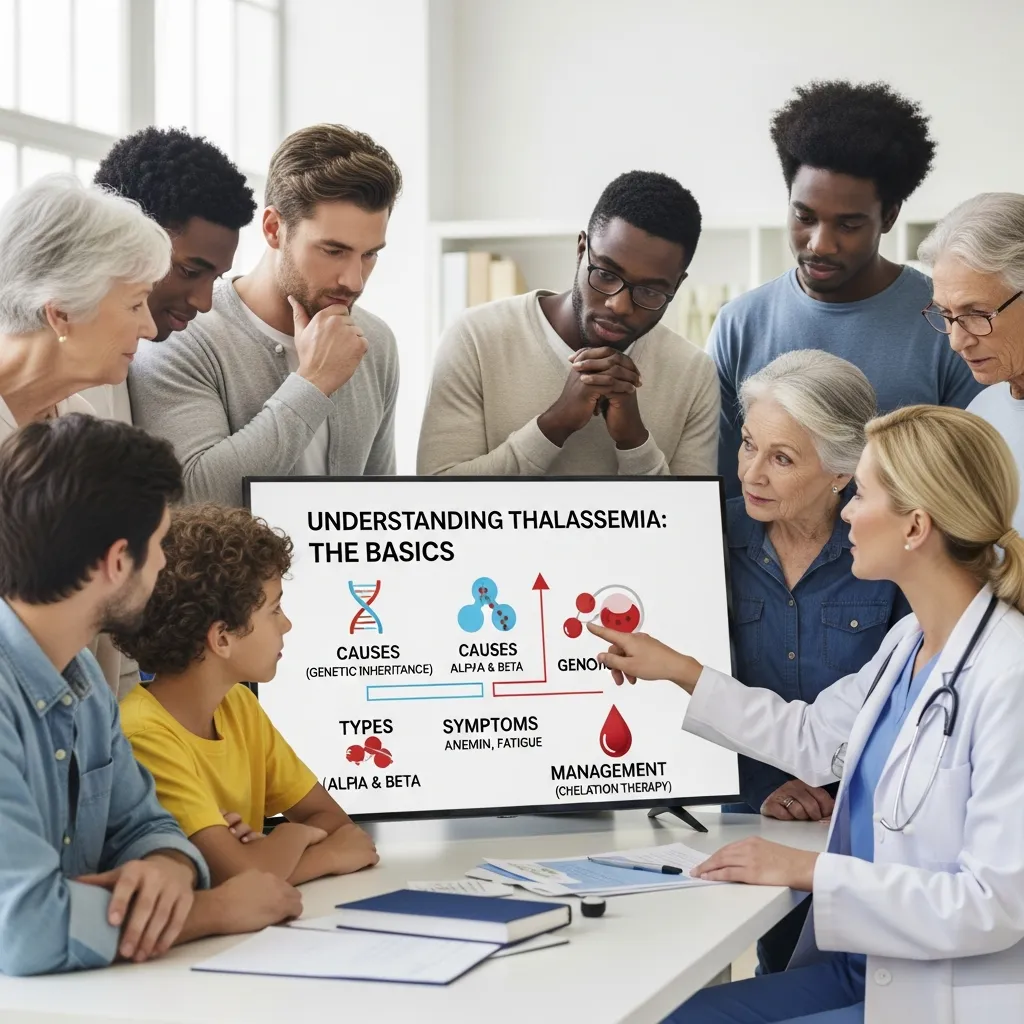
    Understanding Thalassemia: The Basics

    Thalassemia basics explanationAt its core, thalassemia is an inherited genetic disorder that disrupts the normal production of hemoglobin. Without enough healthy hemoglobin, red blood cells are destroyed at a rapid rate, leading to a persistent state of anemia. This overview is an important part of any Thalassemia Awareness and Management Guide.

    Genetic Disorder Affecting Hemoglobin Production

    Healthy hemoglobin requires a perfect balance of protein chains. When genetic mutations interfere with the instructions that tell the body how to build these proteins, the resulting red blood cells are small, pale, and inefficient. Because the body cannot transport oxygen effectively, the bone marrow goes into overdrive trying to replace the rapidly dying cells, which causes a ripple effect of complications throughout the skeletal and cardiovascular systems. A proper Thalassemia Awareness and Management Guide helps explain these biological changes in detail.

    Types of Thalassemia (Alpha and Beta)

    The condition is categorized based on which specific part of the hemoglobin molecule is affected by the genetic mutation.

    Alpha-thalassemia

    Hemoglobin contains four alpha-globin genes, inheriting two from each parent. The severity depends on how many of these genes are mutated or missing. Losing one gene makes you a silent carrier, while losing three leads to Hemoglobin H disease, causing moderate to severe anemia. The loss of all four genes is the most severe form and is generally life-threatening before or shortly after birth.

    Beta-thalassemia

    Beta-globin relies on two genes, one inherited from each parent. Inheriting one mutated gene results in beta-thalassemia minor, which typically causes mild anemia. Inheriting two mutated genes leads to beta-thalassemia major, a severe condition that requires lifelong medical intervention, including frequent blood transfusions, as explained in a Thalassemia Awareness and Management Guide.

    How Thalassemia is Inherited

    Thalassemia follows an autosomal recessive inheritance pattern. A child must inherit a mutated gene from both parents to develop the severe form of the disease. If both parents are carriers, there is a 25 percent chance with each pregnancy that the child will be born with the severe form of thalassemia. Understanding this inheritance pattern is a key part of any Thalassemia Awareness and Management Guide for families and carriers.

    Global Prevalence and Impact

    While the genetic traits can be found anywhere, the condition is most highly concentrated in specific regions. It is especially prevalent among populations of Mediterranean, Middle Eastern, South Asian, and Southeast Asian descent. According to the World Health Organization, hemoglobin disorders like thalassemia present a significant public health challenge, requiring dedicated resources, widespread carrier screening, and robust healthcare infrastructure to support affected families.

    Recognizing the Signs: Early Symptoms and Diagnosis

    Catching the signs of this blood disorder early can prevent severe physical complications and significantly improve a patient’s quality of life. Symptoms vary widely based on the specific type and severity of the genetic mutation, and a Thalassemia Awareness and Management Guide plays an important role in identifying them.

    Common Symptoms Across Different Types

    Most people with the minor trait experience few, if any, noticeable symptoms. Those with moderate to severe forms of the disorder will display signs very early in childhood.

    Fatigue and Weakness

    Because the body’s tissues are deprived of oxygen, profound and unyielding exhaustion is the most common symptom. Children may lack the energy to play, and adults may struggle to complete routine daily tasks. Recognizing this early is a key focus of any Thalassemia Awareness and Management Guide.

    Pale Skin

    A lack of healthy, oxygen-rich red blood cells often leaves the skin looking unusually pale or ashen.

    Jaundice

    The rapid destruction of defective red blood cells releases high levels of bilirubin into the bloodstream. This excess bilirubin causes a yellowish tint to the skin and the whites of the eyes.

    Slow Growth and Development in Children

    Severe anemia forces the body to divert energy away from physical growth just to survive. Children with untreated thalassemia often fall behind their peers in height, weight, and the onset of puberty. Early identification through a Thalassemia Awareness and Management Guide can help ensure timely medical care and better long-term outcomes.

    Bone Deformities

    To compensate for the lack of red blood cells, the bone marrow expands dramatically. This expansion causes the bones to become thin, brittle, and distorted. In severe cases, the facial bones widen, leading to a distinct structural change commonly referred to as the Thalassemia Chipmunk Face.

    Diagnostic Procedures

    Accurate diagnosis requires specific laboratory evaluations to look at both the quantity and the exact structure of the blood cells.

    Blood Tests

    A complete blood count (CBC) provides a baseline measurement of hemoglobin and red blood cells. To determine the exact type of the disorder, doctors use specialized testing. You can read a comprehensive Hemoglobin Panel Test Guide to understand how medical professionals separate and measure the different types of hemoglobin proteins in your blood.

    Genetic Testing

    DNA analysis is the most definitive way to confirm a diagnosis. Genetic testing identifies the exact mutations present in the alpha or beta globin genes, providing critical information for family planning and treatment mapping.

    Importance of Early Diagnosis

    Identifying the disorder in infancy or early childhood allows doctors to implement a treatment plan before severe complications arise. Timely medical intervention protects the heart from the stress of severe anemia and prevents irreversible bone deformities.

    Living with Thalassemia: Comprehensive Management Strategies

    Thalassemia management tipsManaging this chronic condition requires a multi-layered approach. Modern medicine, combined with smart lifestyle choices, allows patients to live fulfilling and active lives. A Thalassemia Awareness and Management Guide helps patients understand and apply these strategies effectively.

    Medical Treatments

    For those with moderate to severe forms of the disease, medical intervention is a non-negotiable part of daily life.

    Blood Transfusions

    Patients with thalassemia major typically require blood transfusions every two to four weeks. These transfusions supply the body with healthy red blood cells, suppressing the overactive bone marrow and ensuring tissues receive enough oxygen. A Thalassemia Awareness and Management Guide often highlights transfusion schedules as a core part of care.

    Chelation Therapy

    While frequent blood transfusions sustain life, they introduce a dangerous complication: iron overload. The body cannot naturally excrete the massive amounts of iron found in transfused blood. Excess iron builds up in the heart, liver, and endocrine system, causing fatal organ damage. Chelation therapy involves taking daily medications that bind to this excess iron, allowing the body to safely flush it out.

    Bone Marrow Transplant

    Currently, a bone marrow or stem cell transplant is the only established cure for the disease. By replacing the defective bone marrow with healthy stem cells from a matched donor, the patient can begin producing normal hemoglobin. This procedure carries significant risks and requires a very close genetic match, usually a sibling.

    Emerging Therapies

    The medical landscape is shifting rapidly. Clinical trials are demonstrating that cutting-edge gene therapies and CRISPR technologies can correct the underlying genetic defect. These breakthroughs are moving the conversation from symptom management to potential cures, as highlighted in modern Thalassemia Awareness and Management Guide resources.

    Lifestyle Management

    Medical treatments must be supported by healthy, deliberate daily habits.

    Diet and Nutrition

    Nutrition plays a huge role in protecting your organs. Patients must carefully monitor dietary iron intake while ensuring they get enough calcium, zinc, and folic acid to support bone health and cellular repair.

    Exercise and Physical Activity

    Light to moderate exercise improves cardiovascular health and boosts mood. Patients should work with their medical team to design a safe fitness routine that accommodates their energy levels and bone density status.

    Mental and Emotional Well-being

    Living with a chronic, lifelong illness takes a toll on mental health. Therapy, support groups, and open communication with family members are vital tools for managing emotional fatigue. A Thalassemia Awareness and Management Guide emphasizes mental health as part of complete care.

    Regular Monitoring and Follow-up

    Frequent medical evaluations are required to adjust transfusion volumes and monitor the effectiveness of chelation therapy. Routine MRI scans check for dangerous iron accumulation in the heart and liver, while annual bone density scans and endocrine evaluations track physical development.

    Role of a Specialized Doctor

    Because the treatment protocols are highly complex, generalized medical care is rarely sufficient. Partnering with an expert Anemia Treatment Doctor ensures your treatment plan is tailored to the specific nuances of your genetic mutation and current organ health.

    Preventing Thalassemia: Carrier Screening and Genetic Counseling

    Because thalassemia is an inherited condition, public health initiatives focus heavily on prevention through education and proactive genetic screening.

    Understanding Carrier Status

    A carrier has one normal gene and one mutated gene. They usually do not experience symptoms and live completely healthy lives, which means many people have no idea they carry the genetic trait. Knowing your status is the only way to understand your risk of passing the disorder to your children.

    Importance of Pre-marital and Pre-conception Screening

    Simple blood tests can determine if you carry a thalassemia mutation. In regions with high prevalence rates, routine screening before marriage or before trying to conceive is a standard public health practice. Identifying two carriers before pregnancy provides the family with valuable time to explore their options.

    Genetic Counseling: Making Informed Decisions

    When both partners are identified as carriers, genetic counselors step in to provide clarity. They explain the exact statistical risks, discuss prenatal testing options, and outline advanced reproductive technologies, such as in-vitro fertilization (IVF) with preimplantation genetic diagnosis. The Centers for Disease Control and Prevention (CDC) heavily advocates for genetic counseling as a way to empower families to make informed, highly personal reproductive decisions.

    Thalassemia Awareness: Building a Supportive Community
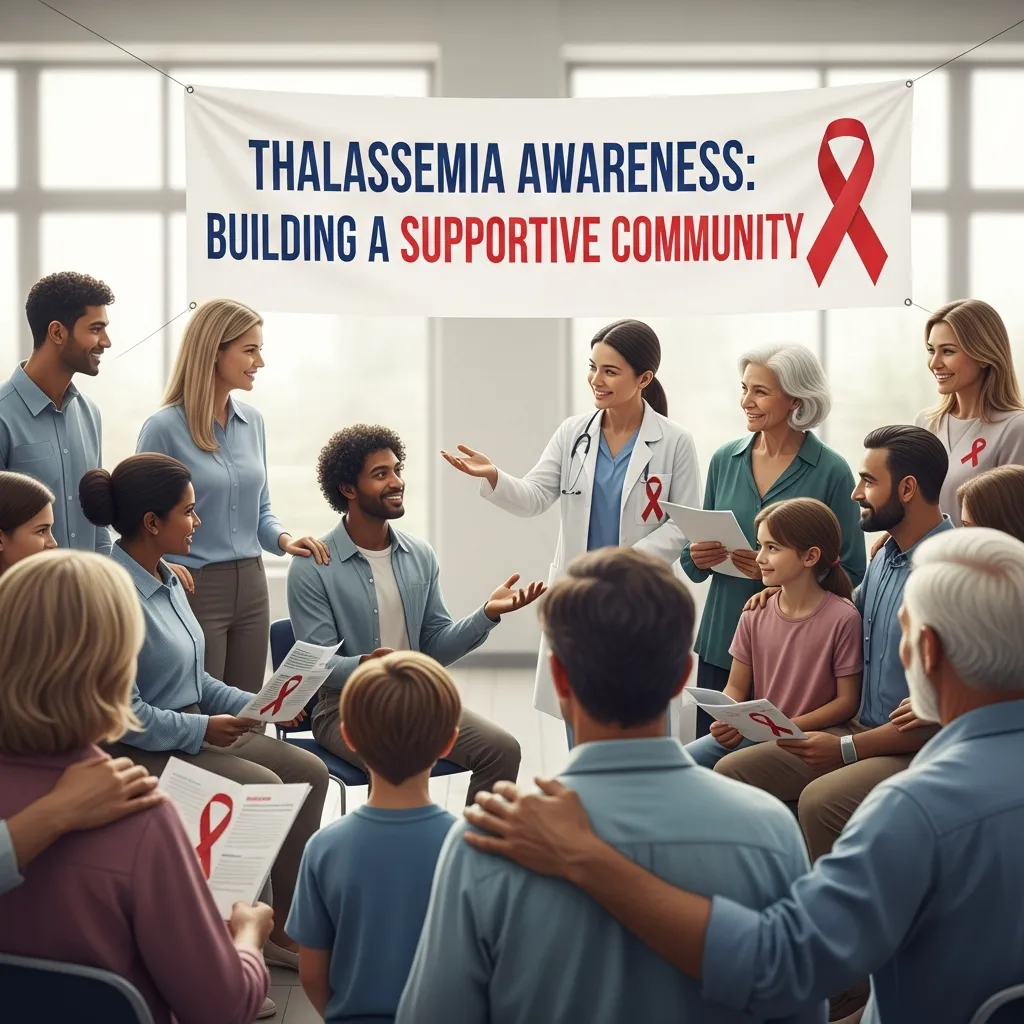
    Thalassemia community support overviewManaging a complex genetic disorder is not a journey anyone should walk alone. Building strong networks of support drives medical innovation and helps patients navigate their daily challenges. A Thalassemia Awareness and Management Guide plays a key role in spreading knowledge and encouraging community support.

    Why Awareness Matters

    Public awareness removes the stigma often associated with genetic diseases and encourages more people to seek out carrier screening. Educating the general public also highlights the constant, critical need for voluntary blood donations, which are the lifeblood of severe thalassemia patients. A Thalassemia Awareness and Management Guide helps spread this essential information effectively.

    Role of Patient Organizations and Support Groups

    Global and local organizations provide essential resources for affected families. They organize blood drives, facilitate educational seminars, and create safe spaces for patients to connect. Sharing coping strategies and medical advice within a community setting drastically reduces the isolation of chronic illness.

    Advocating for Better Care and Research

    Patient advocacy pushes the medical field forward. By raising their voices, communities demand better access to safe blood supplies, more affordable chelation medications, and increased funding for gene therapy research. A strong Thalassemia Awareness and Management Guide also encourages active participation in advocacy efforts.

    Personal Stories and Experiences

    Data and statistics explain the disease, but personal stories highlight the human experience. When patients share their journeys of overcoming obstacles, achieving academic goals, and raising families despite their diagnosis, they provide immense hope to newly diagnosed individuals.

    Moving Forward with Hope

    A thorough Thalassemia Awareness and Management Guide equips you with the knowledge necessary to face this disorder head-on. By understanding the genetic foundations, prioritizing early diagnosis, and adhering strictly to a multi-disciplinary treatment plan, patients can protect their vital organs and sustain their energy levels.

    Progress relies on community action. Encourage your peers to donate blood regularly, advocate for accessible genetic screening, and support ongoing research toward better treatments and a potential cure. The medical landscape for blood disorders is brighter now than at any point in history. Armed with education and supported by specialized medical teams, individuals living with thalassemia can look toward the future with genuine optimism and strength.

    Conclusion

    A Thalassemia Awareness and Management Guide is essential for understanding, managing, and living with this lifelong genetic blood disorder. From early diagnosis and medical treatment to lifestyle adjustments and emotional support, a Thalassemia Awareness and Management Guide helps improve patient outcomes. With growing awareness, medical advancements, and strong community support, individuals with thalassemia can look forward to a healthier and more hopeful future.

    FAQ – Thalassemia Awareness and Management Guide

    1. What is a Thalassemia Awareness and Management Guide?

    It is a resource that explains thalassemia symptoms, treatment options, and lifestyle strategies to help patients manage the condition effectively through a Thalassemia Awareness and Management Guide.

    2. Why is thalassemia awareness important?

    Awareness helps with early diagnosis, reduces stigma, and encourages genetic screening and regular blood donation as part of a Thalassemia Awareness and Management Guide approach.

    3. What are the main symptoms of thalassemia?

    Common symptoms include fatigue, weakness, pale skin, jaundice, and delayed growth in children.

    4. How is thalassemia diagnosed?

    It is diagnosed through blood tests, hemoglobin analysis, and genetic testing, as explained in a Thalassemia Awareness and Management Guide.

    5. Can thalassemia be cured?

    In some cases, bone marrow or stem cell transplants can cure it, while gene therapy offers future curative potential discussed in a Thalassemia Awareness and Management Guide.

    6. What is the main treatment for severe thalassemia?

    Regular blood transfusions combined with iron chelation therapy are the primary treatments.

    7. Why is iron overload dangerous?

    Excess iron from transfusions can damage the heart, liver, and other organs if not managed properly under a Thalassemia Awareness and Management Guide plan.

    8. Can people with thalassemia live normal lives?

    Yes, with proper treatment and guidance from a Thalassemia Awareness and Management Guide, many patients lead active lives.

    9. Is thalassemia hereditary?

    Yes, it is a genetic disorder passed from parents to children.

    10. How can communities support thalassemia patients?

    By donating blood, promoting awareness, supporting research, and encouraging genetic screening through initiatives like a Thalassemia Awareness and Management Guide.

    Beta Thalassemia Blood Disorder Awareness Thalassemia Awareness And Management Guide Thalassemia Care
    Share. Facebook Twitter Pinterest LinkedIn Tumblr Telegram Email
    Tony Valenza
    admin
    • Website

    I’m an editor focused on delivering accurate, research-driven content that educates readers about thalassemia, its causes, prevention, and management. With a strong emphasis on medical reliability and clarity, I work to simplify complex health topics into accessible information, helping individuals, families, and communities make informed decisions. My goal is to raise awareness, support early detection, and promote better understanding of this genetic blood disorder through well-structured, trustworthy content.

    Related Posts

    Understanding Thalassemia: Causes, Types, Symptoms, and Treatment

    May 16, 2026

    Understanding Anemia Classification: A Complete Guide

    May 14, 2026

    Breakthroughs in Blood: Gene Therapy for Thalassemia

    May 11, 2026
    Leave A Reply Cancel Reply

    Top Posts

    Essential Tools and Resources for Chronic Illness Management

    April 6, 202615

    Thalassemia Explained: Genetics, Symptoms, and the Chipmunk Face

    April 29, 20266

    Navigating an Alpha Thalassemia Carrier Pregnancy

    May 3, 20265

    A Complete Guide to the Different Kinds of Blood Diseases

    April 28, 20265
    Don't Miss
    Thalassemia Awareness

    Understanding Thalassemia: Causes, Types, Symptoms, and Treatment

    By Amanda ChaseMay 16, 20261

    This comprehensive pillar content explores Thalassemia in depth, covering its genetic basis, various types like…

    Understanding Anemia Classification: A Complete Guide

    May 14, 2026

    Comprehensive Thalassemia Awareness and Management Guide

    May 12, 2026

    Breakthroughs in Blood: Gene Therapy for Thalassemia

    May 11, 2026
    Stay In Touch
    • Facebook
    • Twitter
    • Pinterest
    • Instagram
    • YouTube
    • Vimeo
    Facebook X (Twitter) Instagram Pinterest
    • About us
    • Contact us
    • Privacy Policy
    • Terms & Conditions
    © 2026 Thalassemiaawarenet. All Rights Reserved.

    Type above and press Enter to search. Press Esc to cancel.