Different kinds of blood diseases include conditions that affect red blood cells, white blood cells, platelets, and plasma. These disorders can range from anemia and hemophilia to leukemia and thalassemia, impacting oxygen transport, immunity, and clotting functions.
Anemia: The Most Common Blood Disorder
Anemia occurs when your body lacks enough healthy red blood cells to carry adequate oxygen to your body’s tissues. It is the most common blood disorder globally, causing individuals to feel constantly tired and weak. It is one of the key examples under different kinds of blood diseases affecting people worldwide.
Iron-Deficiency Anemia
Iron-deficiency anemia is the most widespread type of anemia. Your bone marrow needs iron to make hemoglobin, the part of the red blood cell that transports oxygen. This condition is a major category of blood disorders seen in clinical practice.
Causes and Risk Factors
A lack of iron typically stems from blood loss, such as heavy menstrual bleeding or an ulcer. A diet lacking in iron-rich foods, or an inability to absorb iron due to intestinal conditions like celiac disease, can also cause this deficiency. Pregnant women face a higher risk because their iron stores must serve their own increased blood volume as well as provide hemoglobin for the growing fetus.
Symptoms and Diagnosis
People with iron-deficiency anemia often experience extreme fatigue, weakness, pale skin, chest pain, fast heartbeat, or shortness of breath. Doctors diagnose this condition using a simple complete blood count (CBC) test to measure the size, shape, and color of red blood cells, alongside tests to check the level of ferritin, a protein that stores iron.
Treatment and Management
Treatment usually involves taking over-the-counter iron supplements. Doctors will also identify and treat the underlying cause of the iron deficiency, which may involve dietary changes or surgery to stop internal bleeding.
Vitamin Deficiency Anemia (B12 and Folate)
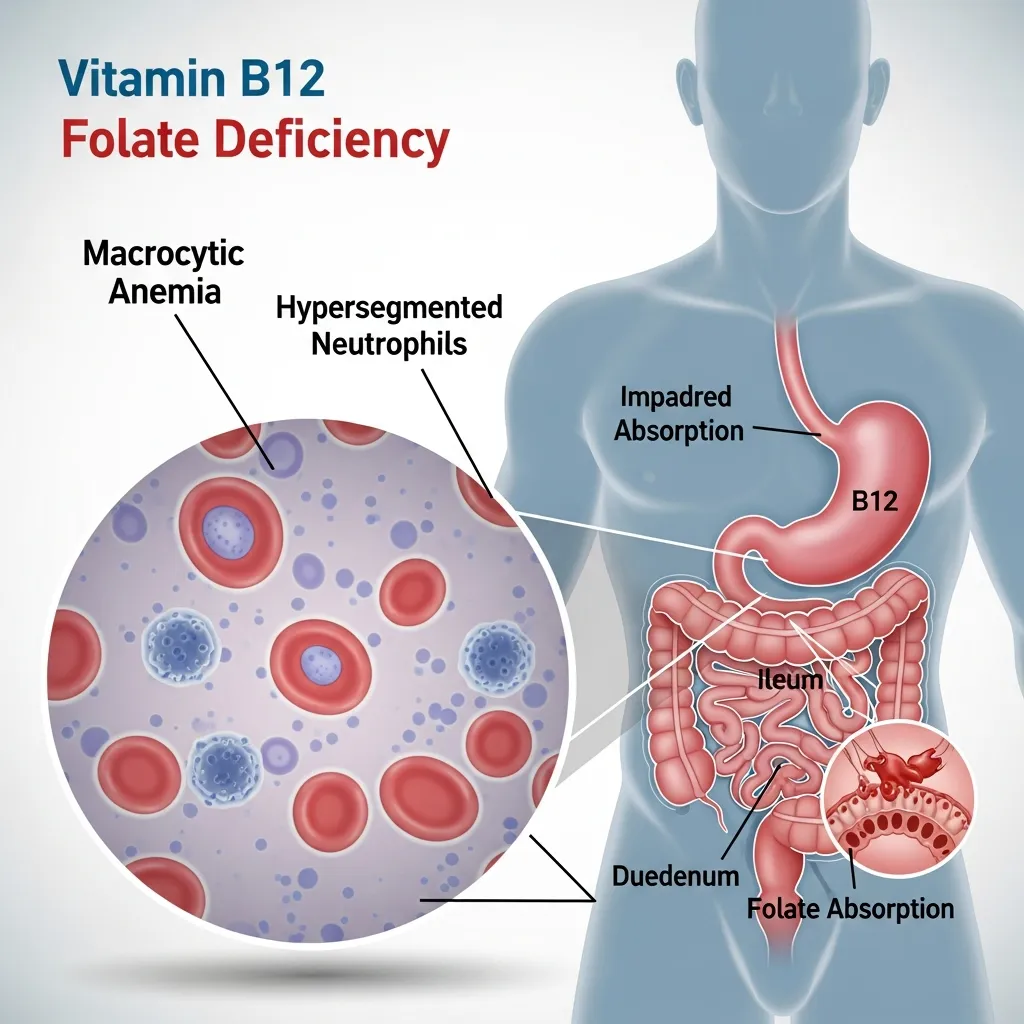 Your body needs folate (vitamin B-9) and vitamin B-12 to produce sufficient healthy red blood cells. A diet lacking in these and other key nutrients can cause decreased red blood cell production. This condition is one of the important types of different kinds of blood diseases that affect oxygen delivery in the body.
Causes and Risk Factors
This condition develops when you do not eat enough foods containing B12 and folate, or if your body has trouble absorbing these vitamins. Pernicious anemia is a specific type of vitamin B12 anemia caused by an autoimmune condition that destroys the cells in the stomach responsible for absorbing B12.
Symptoms and Diagnosis
Symptoms mirror those of iron-deficiency anemia but may also include a pale or yellowish skin tone, a sore and red tongue, and neurological issues like numbness or tingling in the hands and feet. Blood tests revealing large, underdeveloped red blood cells confirm the diagnosis.
Treatment and Management
Doctors manage this condition with dietary changes and vitamin supplements. For severe B12 deficiency or pernicious anemia, patients may require vitamin B12 injections for the rest of their lives.
Aplastic Anemia
Aplastic anemia is a rare, life-threatening condition that occurs when your body stops producing enough new blood cells. It is considered one of the severe forms under different kinds of blood diseases affecting bone marrow function.
Causes and Risk Factors
This disorder is primarily caused by damage to the bone marrow’s stem cells. Factors that can injure bone marrow include radiation and chemotherapy treatments, exposure to toxic chemicals, use of certain drugs, autoimmune disorders, and viral infections.
Symptoms and Diagnosis
Because it affects red blood cells, white blood cells, and platelets, symptoms are diverse. Patients experience fatigue, frequent infections, and easy bruising or bleeding. A bone marrow biopsy is the definitive diagnostic tool, revealing a severely depleted marrow space.
Treatment and Management
Treatments for aplastic anemia range from medications and blood transfusions to a bone marrow transplant. Immunosuppressants are often used if an autoimmune disorder is driving the condition.
Hemolytic Anemia
Hemolytic anemia develops when red blood cells are destroyed faster than bone marrow can replace them. This condition is another major category within different kinds of blood diseases affecting red blood cell survival.
Causes and Risk Factors
Red blood cell destruction (hemolysis) can be inherited or acquired. Inherited forms involve genetic defects in the red blood cells themselves. Acquired forms happen when the body’s immune system mistakenly identifies its own red blood cells as foreign substances and destroys them, or from certain infections and medications.
Symptoms and Diagnosis
Symptoms include dizziness, weakness, jaundice (yellowing of the skin and eyes), and dark urine. Blood tests check for elevated bilirubin levels and a high reticulocyte count, which indicates the bone marrow is working overtime to replace destroyed cells.
Treatment and Management
Treatment depends on the severity and cause. It may include blood transfusions, medicines that suppress the immune system, or surgery to remove the spleen, as the spleen is often where the red blood cells are destroyed.
Thalassemia: A Group of Inherited Blood Disorders
Thalassemia is an inherited blood disorder that causes your body to have less hemoglobin than normal. Hemoglobin enables your red blood cells to carry oxygen. Thalassemia can cause mild to severe anemia.
What is Thalassemia?
Thalassemia involves a genetic mutation that affects the production of either the alpha or beta chains of the hemoglobin molecule. When these chains are not produced in correct amounts, red blood cells do not form properly and cannot carry enough oxygen.
Types of Thalassemia (Alpha vs. Beta)
The condition is broadly divided into two main categories based on which part of the hemoglobin molecule is affected. The severity depends on how many gene mutations are inherited from parents. You can read more about the genetic differences and severity levels in this guide on the Types of Thalassemia (Alpha vs. Beta).
Symptoms and Diagnosis
The signs of thalassemia vary greatly depending on the type and severity of the condition. Babies with severe thalassemia usually show signs within the first two years of life. To understand what to look for during early childhood and infancy, review the Early Symptoms of Thalassemia. Diagnosis typically involves complete blood counts and special hemoglobin testing (electrophoresis) to determine the exact type of mutated hemoglobin.
Treatment Options (Blood Transfusions and Beyond)
Mild thalassemia may not need treatment. Moderate to severe forms often require frequent blood transfusions and folate supplements. Because frequent transfusions cause a buildup of iron in the blood, patients must undergo chelation therapy to remove excess iron and protect the heart and liver.
Living with Thalassemia: Daily Care Tips
Patients must follow strict medical routines to maintain their health. Managing this condition involves adhering to transfusion schedules, taking chelation medications diligently, avoiding excess dietary iron, and maintaining a healthy lifestyle to protect bone and heart health.
Sickle Cell Disease: A Genetic Blood Disorder
 Sickle cell disease is a group of inherited red blood cell disorders. It is most common in people of African, Mediterranean, and Middle Eastern descent.
Understanding Sickle Cell Anemia
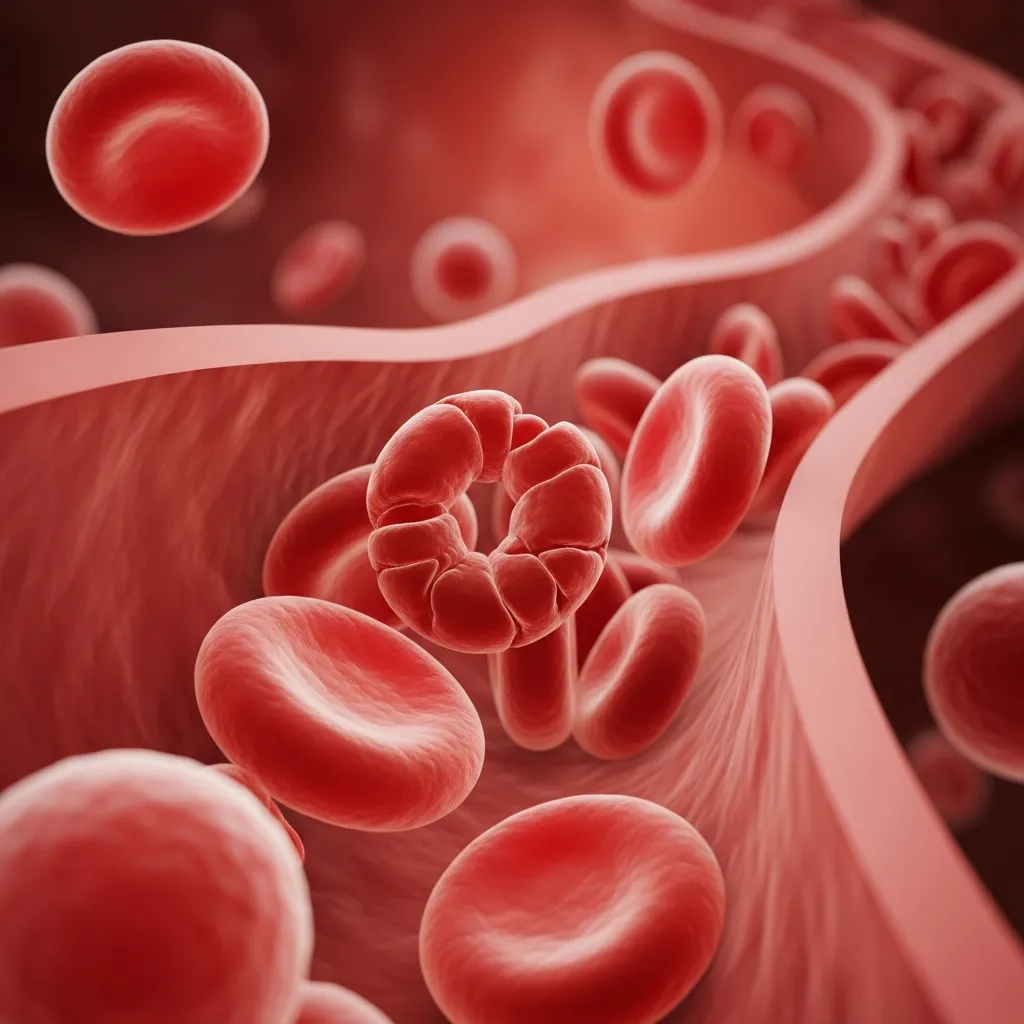
Healthy red blood cells are round and move easily through blood vessels. In sickle cell anemia, the red blood cells are shaped like sickles or crescent moons. These rigid, sticky cells can get stuck in small blood vessels, which slows or blocks blood flow and oxygen to parts of the body. According to the Centers for Disease Control and Prevention (CDC), this blockage causes severe complications.
Symptoms and Complications
The hallmark symptom of sickle cell disease is periodic episodes of extreme pain, known as pain crises. These crises occur when sickle-shaped red blood cells block blood flow through tiny blood vessels to the chest, abdomen, and joints. Other complications include frequent infections, delayed growth, and vision problems.
Diagnosis and Genetic Counseling
A simple blood test can check for the defective form of hemoglobin that causes sickle cell trait and sickle cell disease. In many countries, this test is part of routine newborn screening. Genetic counseling is highly recommended for parents who carry the sickle cell trait to understand the risks of passing the disease to their children.
Treatment and Management
Management aims to avoid pain episodes, relieve symptoms, and prevent complications. Treatments include pain medications, hydroxyurea (a drug that reduces the frequency of painful crises), and blood transfusions. A stem cell transplant offers a potential cure, but finding a matched donor is difficult and the procedure carries significant risks.
Blood Cancers: When Blood Cells Grow Abnormally
Blood cancers affect the production and function of your blood cells. Most of these cancers start in the bone marrow where blood is produced. Normal blood cell development is interrupted by the uncontrolled growth of an abnormal type of blood cell. You can find comprehensive research on these conditions through organizations like the American Cancer Society.
Leukemia: Cancer of the Blood and Bone Marrow
Leukemia is a cancer of the body’s blood-forming tissues, including the bone marrow and the lymphatic system. It typically involves the rapid production of abnormal white blood cells.
Types of Leukemia (Acute vs. Chronic)
Leukemia is classified based on its speed of progression and the type of cells involved. Acute leukemia progresses rapidly and requires aggressive, timely treatment. Chronic leukemia involves more mature blood cells, replicates more slowly, and can go unnoticed for years.
Symptoms and Diagnosis
Common symptoms include persistent fatigue, frequent infections, unexplained weight loss, swollen lymph nodes, and easy bleeding or bruising. Doctors diagnose leukemia through blood tests showing abnormal white blood cell counts and bone marrow biopsies.
Treatment Approaches
Treatment strategies depend on the type of leukemia, the patient’s age, and overall health. Common therapies include chemotherapy, targeted therapy, radiation therapy, and bone marrow transplants to replace diseased bone marrow with healthy stem cells.
Lymphoma: Cancer of the Lymphatic System
Lymphoma is a cancer of the lymphatic system, which is part of the body’s germ-fighting network. It affects lymphocytes, a type of white blood cell.
Types of Lymphoma (Hodgkin vs. Non-Hodgkin)
There are two main types. Hodgkin lymphoma is characterized by the presence of a specific type of abnormal cell called a Reed-Sternberg cell. Non-Hodgkin lymphoma is much more common and encompasses a diverse group of blood cancers that arise from lymphocytes.
Symptoms and Diagnosis
The most common symptom is a painless swelling of lymph nodes in the neck, armpits, or groin. Other symptoms include persistent fatigue, fever, night sweats, and unexplained weight loss. Diagnosis involves a physical exam, blood tests, imaging tests (like CT or PET scans), and a lymph node biopsy.
Treatment Approaches
Treatment may involve chemotherapy, radiation therapy, immunotherapy, or targeted drug therapy. In some cases, a stem cell transplant is utilized to rebuild the immune system after high doses of chemotherapy.
Multiple Myeloma: Cancer of Plasma Cells
Multiple myeloma is a cancer that forms in a type of white blood cell called a plasma cell. Healthy plasma cells help you fight infections by making antibodies that recognize and attack germs.
Symptoms and Diagnosis
In multiple myeloma, cancerous plasma cells accumulate in the bone marrow and crowd out healthy blood cells. Rather than produce helpful antibodies, the cancer cells produce abnormal proteins that can cause kidney problems. Symptoms include bone pain (especially in the spine or chest), nausea, constipation, loss of appetite, and mental fogginess. Doctors diagnose it using blood tests to find abnormal proteins, urine tests, and bone marrow examinations.
Treatment Approaches
Standard treatments include targeted therapy, biological therapy, chemotherapy, and corticosteroids. Bone marrow transplants are frequently used to treat multiple myeloma, often in combination with high-dose chemotherapy.
Bleeding Disorders: When Blood Doesn’t Clot Properly
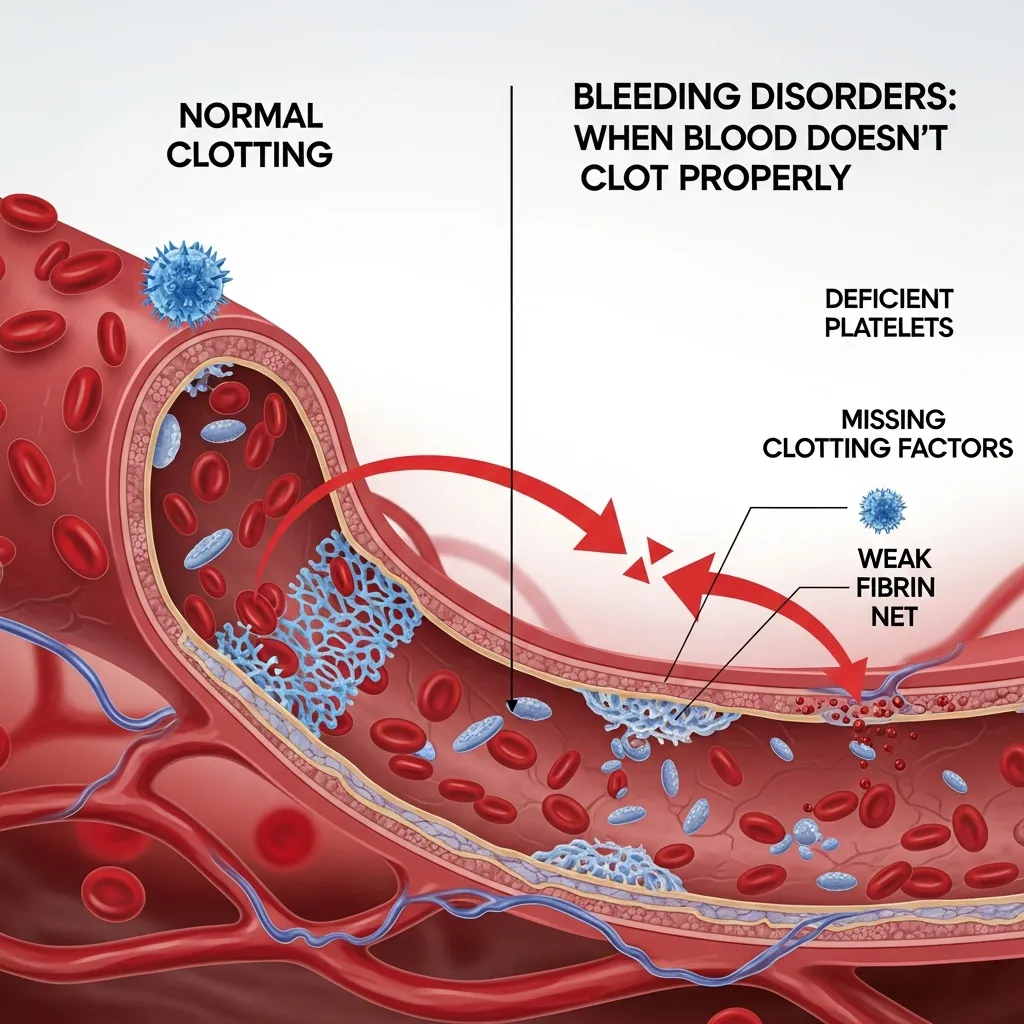 Bleeding disorders are a group of conditions that result when the blood cannot clot properly. Normal clotting is an intricate process involving blood cells called platelets and proteins known as clotting factors. These conditions are also important examples of different kinds of blood diseases that affect the body’s ability to stop bleeding.
Hemophilia: An Inherited Bleeding Disorder
Hemophilia is a rare disorder in which your blood doesn’t clot normally because it lacks sufficient blood-clotting proteins. It is one of the most well-known genetic conditions under different kinds of blood diseases.
Types and Causes
Hemophilia is an inherited genetic condition. The two main types are Hemophilia A (caused by a lack of clotting factor VIII) and Hemophilia B (caused by a lack of clotting factor IX). It primarily affects males due to its X-linked recessive inheritance pattern.
Symptoms and Diagnosis
Signs of hemophilia include unexplained and excessive bleeding from cuts or injuries, large or deep bruises, unusual bleeding after vaccinations, and pain or swelling in the joints caused by internal bleeding. Blood tests reveal prolonged clotting times and specific clotting factor deficiencies.
Treatment and Management
The main treatment for severe hemophilia involves replacing the missing clotting factor. This can be done during bleeding episodes or on a regular preventive schedule to reduce the risk of bleeding.
Von Willebrand Disease: The Most Common Inherited Bleeding Disorder
Von Willebrand disease is a lifelong bleeding disorder in which blood doesn’t clot properly due to low or dysfunctional von Willebrand factor. It is another important condition within different kinds of blood diseases affecting clotting mechanisms.
Symptoms and Diagnosis
Many people have mild symptoms and may not know they have it. When symptoms appear, they include frequent nosebleeds, easy bruising, and heavy menstrual bleeding. Diagnosis requires specialized blood tests to measure von Willebrand factor levels and function.
Treatment and Management
Although it cannot be cured, symptoms can be controlled. Treatments include desmopressin to release stored clotting factors, clotting factor replacement therapy, and medications that help stabilize blood clots.
Thrombocytopenia: Low Platelet Count
Thrombocytopenia is a condition characterized by abnormally low levels of platelets, which are essential for blood clotting. It is also categorized under different kinds of blood diseases affecting blood cell production and function.
Causes and Risk Factors
A low platelet count may occur when bone marrow produces fewer platelets, the spleen traps them, or the immune system destroys them too quickly. Causes include leukemia, immune disorders, medications, and heavy alcohol use.
Symptoms and Diagnosis
Symptoms include easy bruising, small red or purple skin spots (petechiae), prolonged bleeding from cuts, and frequent gum or nose bleeding. A blood test confirms a low platelet count.
Treatment and Management
Treatment depends on the cause. It may involve stopping certain medications, using immune-suppressing drugs, platelet transfusions, or removing the spleen in severe cases.
Clotting Disorders: When Blood Clots Too Easily
Clotting disorders, also known as hypercoagulable states, are conditions where blood forms clots too easily. Unlike bleeding disorders, these conditions increase the risk of dangerous blockages in blood vessels. They are also part of different kinds of blood diseases that affect circulation and cardiovascular health.
Deep Vein Thrombosis (DVT)
Deep vein thrombosis occurs when a blood clot (thrombus) forms in one or more deep veins in the body, usually in the legs. It is a serious condition under different kinds of blood diseases because it can lead to life-threatening complications if untreated.
Causes and Risk Factors
DVT can develop due to medical conditions that increase clotting tendency or prolonged immobility, such as after surgery, accidents, or long hospital stays. Other risk factors include pregnancy, obesity, smoking, and cancer.
Symptoms and Diagnosis
Common symptoms include swelling in one leg, pain (often in the calf), and red or discolored skin. Diagnosis is done using ultrasound imaging and a D-dimer blood test to detect clot-related activity.
Treatment and Prevention
Treatment focuses on preventing clot growth and complications. Blood thinners (anticoagulants) are commonly used, along with compression stockings to improve blood flow and reduce swelling.
Pulmonary Embolism (PE)
A pulmonary embolism is a sudden and potentially fatal blockage in a lung artery, usually caused by a clot that travels from the legs. It is one of the most dangerous complications within different kinds of blood diseases affecting clot formation.
Causes and Risk Factors
PE is most often caused by a clot that originates from deep vein thrombosis in the legs and travels to the lungs through the bloodstream.
Symptoms and Diagnosis
It is a medical emergency. Symptoms include sudden shortness of breath, sharp chest pain that worsens with breathing or coughing, and rapid or irregular heartbeat. Diagnosis involves blood tests, imaging studies such as CT pulmonary angiography, and ultrasound.
Treatment and Prevention
Immediate treatment is required to prevent death. Doctors use blood thinners and clot-dissolving medications (thrombolytics) in severe cases. Long-term anticoagulant therapy is often prescribed to prevent recurrence.
Myeloproliferative Disorders: Overproduction of Blood Cells
Myeloproliferative neoplasms (MPNs) are a group of rare blood cancers where the bone marrow produces too many red blood cells, white blood cells, or platelets. These conditions are included in different kinds of blood diseases that involve abnormal blood cell production and bone marrow function.
Polycythemia Vera
Polycythemia vera involves the overproduction of red blood cells, which makes the blood thicker than normal. Thicker blood flows more slowly, increasing the risk of clot formation. It is an important condition under different kinds of blood diseases associated with increased blood viscosity.
Patients often experience headaches, dizziness, and intense itching, especially after a warm bath or shower. Treatment usually involves phlebotomy (removing blood from the body) to reduce blood volume and decrease thickness.
Essential Thrombocythemia
This disorder involves the overproduction of platelets. Too many platelets can lead to both abnormal clotting and, in some cases, abnormal bleeding. It is another key example of different kinds of blood diseases affecting platelet regulation.
Many people have no symptoms, but some may experience fatigue, headaches, or tingling in the hands and feet. Treatment includes medications that reduce platelet counts or lower the risk of clot formation.
Myelofibrosis
Myelofibrosis is a serious condition where normal bone marrow is replaced by fibrous scar tissue. This disrupts normal blood cell production and is classified under different kinds of blood diseases affecting bone marrow structure.
The liver and spleen often take over blood cell production, leading to enlargement. Symptoms include severe fatigue, weakness, and abdominal fullness. Treatment options include targeted therapies, blood transfusions, and in severe cases, stem cell transplantation.
Diagnosis and Management of Blood Diseases

The field of hematology has advanced significantly, offering patients accurate diagnostics and targeted treatments for a wide variety of conditions under different kinds of blood diseases.
Common Diagnostic Tests
Diagnosing blood disorders begins with a comprehensive physical exam and medical history. The complete blood count (CBC) is the foundation of hematological testing, evaluating the cells that make up your blood. A blood smear allows doctors to examine cells under a microscope to detect abnormalities in size and shape.
More complex conditions require bone marrow aspirations and biopsies, which involve taking a small sample of bone marrow tissue to study blood cell production at the source. Genetic testing is now routinely used to identify inherited conditions such as thalassemia and sickle cell disease, which fall under different kinds of blood diseases.
Importance of Early Detection
Early detection is critical when dealing with different kinds of blood diseases. Identifying problems before they cause organ damage or severe complications greatly improves patient outcomes.
Routine blood tests during annual check-ups often reveal silent conditions like mild anemia or early-stage blood cancers before symptoms appear. Warning signs such as chronic fatigue, unexplained weight loss, or unusual bruising should never be ignored and should prompt medical evaluation.
Treatment Modalities
Treatment plans are highly individualized depending on the specific condition, patient age, and overall health. Therapies range from dietary changes and supplements for nutritional deficiencies to advanced treatments for complex blood disorders.
Medications may include anticoagulants for clotting disorders, immunosuppressants for autoimmune conditions, and targeted therapies for blood cancers. In severe cases of different kinds of blood diseases, stem cell or bone marrow transplants may be required to restore healthy blood cell production.
Taking Charge of Your Blood Health
Maintaining blood health is a lifelong commitment. The body depends on a delicate balance of blood cells, proteins, and nutrients to function properly. Understanding different kinds of blood diseases helps individuals recognize symptoms early and seek timely care.
Regular check-ups, routine blood tests, and open communication with healthcare providers are essential steps in preventing complications and ensuring long-term health.
Frequently Asked Questions (FAQs)
1. What are blood diseases?
Blood diseases are medical conditions that affect the components of blood, including red blood cells, white blood cells, platelets, or plasma.
2. What are the main types of blood diseases?
The main types include anemia, leukemia, lymphoma, thalassemia, hemophilia, and clotting disorders.
3. What causes blood diseases?
They can be caused by genetics, infections, nutritional deficiencies, immune system problems, or bone marrow disorders.
4. What is anemia?
Anemia is a condition where the body lacks enough healthy red blood cells to carry oxygen efficiently.
5. What is leukemia?
Leukemia is a type of blood cancer that affects white blood cells and bone marrow.
6. What is thalassemia?
Thalassemia is an inherited blood disorder that affects hemoglobin production, leading to chronic anemia.
7. What is hemophilia?
Hemophilia is a genetic disorder where blood does not clot properly, causing excessive bleeding.
8. Are blood diseases treatable?
Many blood diseases are treatable with medication, blood transfusions, lifestyle changes, or advanced therapies.
9. How are blood diseases diagnosed?
They are diagnosed through blood tests, bone marrow tests, and sometimes genetic testing.
10. Can blood diseases be prevented?
Some can be prevented through proper nutrition and care, but genetic blood disorders cannot be fully prevented.
Conclusion
Blood diseases include a wide range of conditions that affect how blood functions in the body, from oxygen transport to immune defense and clotting. Early diagnosis and proper treatment are essential to manage symptoms and prevent complications. With modern medical advancements, many blood disorders can now be effectively controlled, improving quality of life for patients.