An anemia treatment doctor diagnoses and manages different types of anemia by identifying causes through tests and providing treatments like iron supplements, vitamins, diet plans, and medical care to improve hemoglobin levels and overall health.
Fatigue is often dismissed as a normal side effect of a busy schedule. You might blame your exhaustion on long working hours, poor sleep, or daily stress. However, when that deep, unyielding tiredness persists despite adequate rest, it might be pointing to a more systemic issue: Anemia. This pervasive yet frequently overlooked blood condition affects billions globally, draining energy and impacting overall quality of life.
Anemia occurs when your body lacks enough healthy red blood cells or hemoglobin to carry adequate oxygen to your tissues. Misconceptions surround this condition, with many assuming it is simply an iron shortage that can be fixed with a few spinach salads. The reality is far more complex. There are numerous types of Anemia, each stemming from different root causes—ranging from genetic mutations to chronic diseases or specific vitamin deficiencies.
Because the underlying causes are so diverse, seeking professional medical advice is absolutely crucial. Consulting an experienced anemia treatment doctor ensures you do not waste time on ineffective over-the-counter remedies that might mask a more serious health issue. A specialist can pinpoint exactly what is happening in your bloodstream and craft a strategy tailored specifically to your body’s needs.
In this comprehensive guide, you will learn about the mechanics of Anemia, the various types that exist, and how they impact your body. We will explore the vital diagnostic tests your anemia treatment doctor will perform and detail the wide array of personalized treatment approaches available. By understanding these components, you can take an active role in your health and work effectively with your healthcare provider to reclaim your energy.
Understanding Anemia: More Than Just Feeling Tired
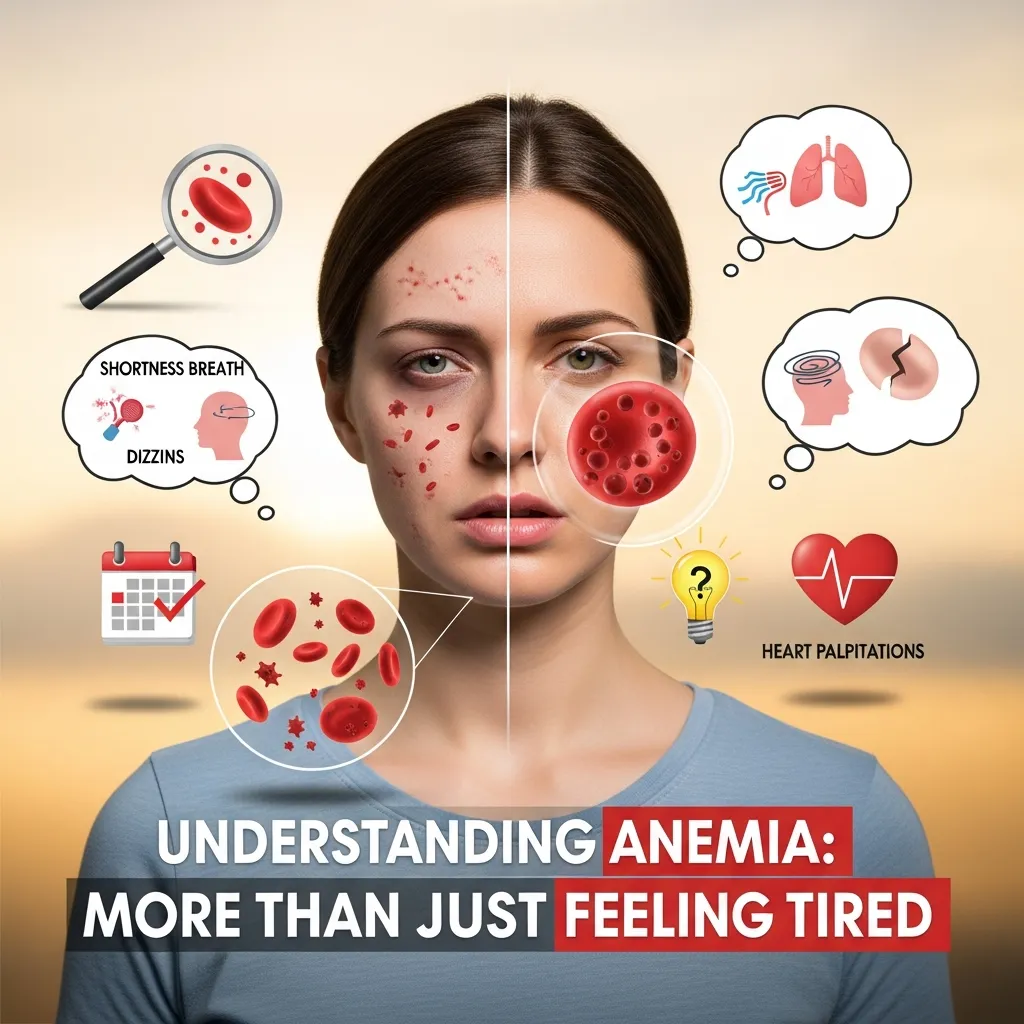 To comprehend how anemia affects your daily life, it helps to understand the basic mechanics of your blood. Your cardiovascular system is a massive delivery network, and red blood cells are the delivery vehicles.
A Deeper Dive into Anemia
At its core, anemia is defined by a deficiency in red blood cells or the hemoglobin within them. Hemoglobin is an iron-rich protein that gives blood its red color. More importantly, it binds to oxygen in your lungs and carries it to every organ and tissue in your body. When you have a shortage of hemoglobin, your organs are literally suffocating for oxygen. This cellular suffocation forces your heart to work overtime, pumping harder and faster to distribute whatever oxygen is available, which leads to the profound exhaustion that characterizes the condition.
Common Types of Anemia
Because blood production is a complex process requiring multiple nutrients and properly functioning organs, anemia can develop in several different ways.
Iron-Deficiency Anemia
This is the most prevalent type of anemia worldwide. The World Health Organization estimates that iron deficiency is the primary cause globally. It occurs when your bone marrow does not have enough iron to produce hemoglobin. Common causes include chronic blood loss (such as heavy menstruation or gastrointestinal ulcers) and inadequate dietary iron intake. Symptoms often start mildly but escalate to severe fatigue, pale skin, and cold extremities.
Vitamin Deficiency Anemia
Also known as megaloblastic anemia, this occurs when your body lacks Vitamin B12 and folate. Both nutrients are essential for producing healthy red blood cells. Deficiencies or absorption issues can lead to large, dysfunctional blood cells. Vitamin B12 deficiency may also cause neurological symptoms like tingling in hands and feet.
Anemia of Chronic Disease
Chronic inflammatory conditions such as kidney disease, cancer, or autoimmune disorders can interfere with red blood cell production even when iron levels are normal.
Aplastic Anemia
A rare but serious condition where bone marrow fails to produce enough blood cells. It can be caused by toxins, radiation, medications, or autoimmune disease.
Hemolytic Anemia
This occurs when red blood cells are destroyed faster than they are produced, due to infections, immune disorders, or genetic conditions.
Sickle Cell Anemia and Thalassemia
Genetic disorders affecting hemoglobin structure or production, leading to abnormal red blood cells and long-term complications.
Recognizing the Symptoms
Symptoms of Anemia often develop slowly and may go unnoticed at first.
Common signs include fatigue, weakness, pale skin, and shortness of breath. More severe cases may involve dizziness, irregular heartbeat, cold extremities, brittle nails, and even pica (cravings for non-food items like ice or dirt).
When to See an Anemia Treatment Doctor
If these symptoms persist and begin to affect your daily life, consulting an anemia treatment doctor is essential. A qualified anemia treatment doctor can accurately diagnose the type of Anemia you have, identify the root cause, and provide a targeted treatment plan. Early diagnosis helps prevent serious complications such as heart strain, organ damage, or worsening fatigue.
Diagnosing Anemia: The Path to Clarity
You cannot effectively treat Anemia based on guesswork. A proper medical evaluation provides the precise data needed to formulate a successful treatment plan under the guidance of an experienced anemia treatment doctor.
Your Initial Consultation
When you visit an anemia treatment doctor, the process begins with a detailed medical history and physical examination. Your physician will ask about your diet, family history of blood disorders, ongoing medications, and the symptoms you are experiencing.
They will also look for physical signs such as pale skin, pale nail beds, rapid heart rate, low blood pressure, or an enlarged spleen. This initial step helps the anemia treatment doctor narrow down possible causes before ordering laboratory tests.
Key Diagnostic Tests
To confirm the diagnosis and identify the exact type of Anemia, your anemia treatment doctor will recommend several important tests.
Complete Blood Count (CBC)
This is the primary screening test for anemia. A CBC measures multiple components of your blood, including:
- Red blood cell count – total number of red blood cells
- Hemoglobin – oxygen-carrying protein level
- Hematocrit – percentage of red blood cells in blood volume
- MCV (Mean Corpuscular Volume) – size of red blood cells
- MCH & MCHC – hemoglobin content and concentration in each cell
These values help an anemia treatment doctor determine whether anemia is due to iron deficiency, vitamin deficiency, or another underlying condition.
Serum Ferritin Test
Ferritin is the storage form of iron in your body. A serum ferritin test helps an anemia treatment doctor assess your iron reserves. Low ferritin is one of the earliest and most reliable indicators of iron-deficiency anemia.
Iron Studies
If iron deficiency is suspected, your anemia treatment doctor may order a full iron panel, which includes:
- Serum iron levels
- Total Iron-Binding Capacity (TIBC)
- Transferrin saturation
These results help evaluate how efficiently your body absorbs and transports iron.
Vitamin B12 and Folate Levels
If red blood cells appear unusually large, the anemia treatment doctor will check Vitamin B12 and folate levels. Deficiency in these nutrients can lead to megaloblastic anemia and neurological complications if left untreated.
Specialized Testing
In more complex cases, additional investigations may be required. An anemia treatment doctor may recommend:
- Bone marrow biopsy – to detect aplastic anemia or blood cancers
- Genetic testing – for conditions like thalassemia or sickle cell disorders
- Endoscopy or colonoscopy – to detect hidden internal bleeding in the digestive tract
These advanced tests allow the anemia treatment doctor to uncover hidden or rare causes of Anemia that basic blood work cannot detect.
Why Proper Diagnosis Matters
Accurate diagnosis is essential because different types of Anemia require completely different treatments. A qualified anemia treatment doctor ensures you receive targeted care instead of temporary or ineffective solutions.
Early and precise diagnosis not only improves recovery but also helps prevent long-term complications such as organ damage, severe fatigue, and cardiovascular stress.
Treatment Approaches for Anemia: A Personalized Journey
 Once your anemia treatment doctor has identified the exact type and cause of your Anemia, they will design a personalized treatment plan. The main goal is to improve your oxygen-carrying capacity, restore healthy red blood cell levels, and address any underlying medical conditions.
Iron-Deficiency Anemia Treatment
Treating iron-deficiency anemia requires a combination of lifestyle changes, medical therapy, and continuous monitoring under the supervision of an anemia treatment doctor.
Dietary Modifications
Your anemia treatment doctor will often recommend increasing iron-rich foods in your daily diet.
- Heme iron sources: red meat, poultry, seafood (easily absorbed)
- Non-heme iron sources: spinach, lentils, beans, fortified cereals
To improve absorption, your anemia treatment doctor may also suggest pairing iron-rich foods with vitamin C sources like citrus fruits, tomatoes, and bell peppers.
Iron Supplements
In many cases, diet alone is not enough to correct iron deficiency. An anemia treatment doctor typically prescribes oral iron supplements such as:
- Ferrous sulfate
- Ferrous gluconate
- Ferrous fumarate
It is very important to follow the dosage strictly, as excessive iron intake can be harmful. Common side effects like constipation, nausea, or stomach discomfort may occur, but your anemia treatment doctor can adjust the dosage or recommend alternative formulations to improve tolerance.
Addressing Underlying Causes
An experienced anemia treatment doctor understands that simply replacing iron is not enough if the root cause is not treated.
If Anemia is caused by internal bleeding, the issue must be corrected at its source. This may involve:
- Treating stomach ulcers with medication
- Removing colon polyps
- Managing heavy menstrual bleeding
- Surgical or procedural interventions when necessary
Without addressing the underlying cause, iron therapy alone will not provide a long-term solution.
Personalized Care Matters
Every case of Anemia is different. That is why working closely with a qualified anemia treatment doctor is essential. Personalized treatment ensures faster recovery, better symptom control, and reduced risk of recurrence.
A structured and guided approach helps restore energy levels, improve overall health, and prevent complications associated with untreated anemia.
Vitamin Deficiency Anemia Treatment
When your body lacks B12 or folate, treatment focuses on restoring those levels.
B12 Supplements
For mild deficiencies caused by a poor diet, oral vitamin B12 supplements are highly effective. However, if your body cannot absorb B12 due to pernicious anemia or intestinal issues, you will likely need B12 injections. Initially, these injections may be given frequently, tapering off to a once-a-month maintenance dose for life.
Folate Supplements
Folate deficiency is usually treated with oral folic acid supplements and by increasing dietary intake of folate-rich foods like leafy greens, citrus fruits, and beans.
Anemia of Chronic Disease Management
This type of anemia does not respond well to traditional iron supplements.
Treating the Underlying Condition
The primary focus is managing the chronic disease causing the inflammation. Whether it is optimizing kidney function, controlling rheumatoid arthritis with immunosuppressants, or managing cancer treatments, reducing systemic inflammation often allows red blood cell production to recover naturally.
Erythropoiesis-Stimulating Agents (ESAs)
In specific cases, particularly with chronic kidney disease or cancer, doctors may prescribe ESAs. These synthetic hormones stimulate the bone marrow to produce more red blood cells, mimicking the natural hormone erythropoietin.
Aplastic Anemia Treatment
Aplastic anemia is a medical emergency that requires intensive intervention.
Immunosuppressants
If an overactive immune system is attacking the bone marrow, medications like cyclosporine or anti-thymocyte globulin can suppress this immune response, giving the bone marrow a chance to recover.
Bone Marrow Transplant
For severe cases, especially in younger patients with a matched donor, a bone marrow or stem cell transplant is the only potential cure. This procedure replaces the diseased marrow with healthy, blood-forming stem cells from a donor.
Hemolytic Anemia Treatment
Treatment for hemolytic anemia focuses on stopping the rapid destruction of red blood cells.
Corticosteroids and Immunosuppressants
If the immune system is destroying the red cells, high doses of corticosteroids or other immune-suppressing drugs are used to calm the immune response.
Splenectomy
Because the spleen is the primary organ responsible for filtering out and destroying damaged red blood cells, surgically removing it can significantly slow down the rate of cell destruction in severe cases.
Genetic Anemia Management
Conditions like sickle cell anemia and thalassemia require lifelong management strategies.
Supportive Care and Transfusions
Management includes pain relief, avoiding triggers that cause sickle cell crises, and taking medications like hydroxyurea to reduce complications. For severe thalassemia or sickle cell disease, regular blood transfusions are necessary to maintain adequate hemoglobin levels.
Emerging Therapies
The medical field is advancing rapidly. Gene therapy is currently being explored in clinical trials as a potential functional cure for these genetic disorders, offering immense hope for the future. The Centers for Disease Control and Prevention provides updated information on these cutting-edge therapies and ongoing research.
Lifestyle and Dietary Considerations for Anemia Patients
Medical interventions are only part of the equation. Daily lifestyle choices play a massive role in managing Anemia and supporting your recovery.
Nutritional Guidance
Importance of a Balanced Diet
Your bone marrow requires a constant supply of nutrients to manufacture healthy blood. A diet rich in lean proteins, whole grains, vegetables, and fruits provides essential building blocks—iron, B12, folate, and trace minerals like copper and zinc.
Foods that Enhance Iron Absorption (Vitamin C)
To maximize plant-based iron absorption, pair it with vitamin C-rich foods. For example, drinking orange juice with fortified cereal or adding bell peppers and tomatoes to spinach salad significantly improves iron uptake.
Foods and Substances to Avoid
Some foods can reduce iron absorption. Tannins in black tea and coffee, calcium in dairy products, and phytates in certain legumes can interfere with iron absorption. It is best to avoid consuming these directly with iron-rich meals or supplements.
For more detailed dietary guidance on blood-related conditions and nutrition support, you can also refer to:
Thalassemia diet and nutrition
Listening to Your Body
Recovery from Anemia takes time. The body needs adequate rest and energy to rebuild blood supply. Prioritize quality sleep and engage in gentle exercises like walking or yoga. Overexertion can slow recovery, so listening to your body is essential for long-term improvement.
The Vital Role of Professional Medical Care
 Navigating the complexities of anemia is not a journey you should undertake alone. The human body is remarkably resilient, but it requires the right tools and precise medical guidance to heal properly. Anemia is a clear signal that something within your systemic function is out of balance.
By partnering with an experienced anemia treatment doctor, you gain access to accurate diagnostic testing, personalized treatment protocols, and ongoing monitoring. They help you decipher your symptoms, avoid the pitfalls of self-medication, and address the root causes of your fatigue.
Do not let chronic exhaustion dictate your life. Seek professional medical advice, request the necessary blood work, and take the first step toward restoring your energy, vitality, and overall health.
Frequently Asked Questions (FAQs)
1. What does an anemia treatment doctor do?
An anemia treatment doctor diagnoses and treats Anemia by identifying its cause through blood tests and providing a personalized treatment plan to restore healthy red blood cell levels.
2. When should I see an anemia treatment doctor?
You should consult an anemia treatment doctor if you experience persistent fatigue, weakness, dizziness, pale skin, or shortness of breath.
3. Can anemia go away without treatment?
Some mild cases may improve with diet, but most types of Anemia require proper medical treatment from an anemia treatment doctor to avoid complications.
4. What tests are used to diagnose anemia?
Common tests include Complete Blood Count (CBC), iron studies, ferritin levels, and Vitamin B12 and folate tests, usually recommended by an anemia treatment doctor.
5. Is anemia always caused by iron deficiency?
No, Anemia can also result from vitamin deficiencies, chronic diseases, genetic disorders, or bone marrow problems.
6. How long does anemia treatment take?
Treatment duration depends on the cause and severity. Anemia treatment prescribed by a doctor may take weeks to months for full recovery.
7. Can diet alone cure anemia?
Diet helps, but moderate to severe cases of Anemia usually require supplements or medical treatment guided by an anemia treatment doctor.
8. Are iron supplements safe?
Yes, when taken under medical supervision. An anemia treatment doctor ensures the correct dosage to avoid side effects or iron overload.
9. Can anemia come back after treatment?
Yes, especially if the underlying cause is not treated. Regular follow-ups with an anemia treatment doctor help prevent recurrence.
10. What is the most serious type of anemia?
Conditions like aplastic anemia or sickle cell anemia are more severe and require long-term management by a specialized anemia treatment doctor.
Conclusion
Anemia is a common but complex condition that should never be ignored. While fatigue and weakness may seem minor at first, they can signal deeper health issues that require professional attention. Consulting an experienced anemia treatment doctor ensures accurate diagnosis, effective treatment, and long-term health management.
With proper medical care, dietary improvements, and treatment of underlying causes, most patients can successfully restore healthy blood levels and regain their energy. Early action and regular follow-ups with an anemia treatment doctor are key to preventing complications and improving quality of life.