


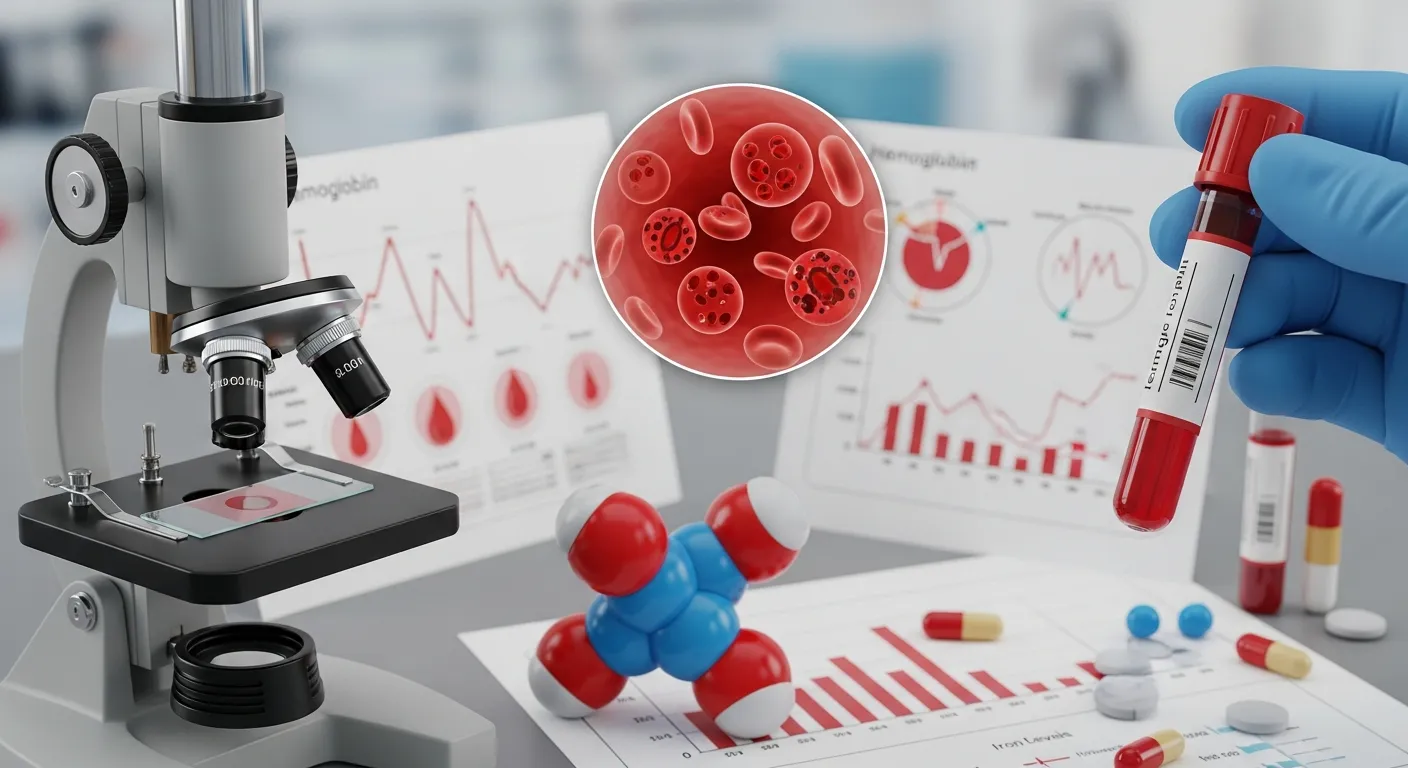
This guide provides a deep dive into Hemoglobin Electrophoresis, explaining the clinical significance of various hemoglobin types and how this test helps in the early detection of hereditary blood conditions.
The human body relies on a complex biological transportation system to function correctly, and at the heart of this system is a remarkable protein found within our red blood cells. This protein is responsible for carrying life-sustaining oxygen from the lungs to every tissue and organ while simultaneously hauling carbon dioxide back to be exhaled. When this process is interrupted by genetic mutations or structural abnormalities in the protein, it can lead to various health complications that range from mild fatigue to severe, life-threatening conditions that require lifelong medical intervention and care.
To identify these specific issues, doctors use a specialized diagnostic tool known as a Hemoglobin Panel. This test goes beyond a standard blood count to analyze the very structure of the oxygen-carrying proteins in your system. By identifying the exact types of hemoglobin present, medical professionals can pinpoint the root cause of chronic fatigue, jaundice, or developmental delays. Understanding the results of this panel is the first step toward effective management and a healthier life.
What is a Hemoglobin Panel?
 A hemoglobin panel, also known as hemoglobin electrophoresis, is a laboratory blood test used to identify and measure different types of hemoglobin in the bloodstream. Hemoglobin is the protein in red blood cells responsible for carrying oxygen throughout the body.
In healthy adults, the main type is hemoglobin A (HbA). However, genetic variations can lead to abnormal types such as hemoglobin S, C, E, or higher levels of hemoglobin F. These variations are often linked to inherited blood disorders like thalassemia and sickle cell disease.
This test not only measures total hemoglobin but also analyzes the proportion of different variants, making it essential for diagnosing and monitoring blood conditions. Doctors usually recommend a hemoglobin panel if there are symptoms like fatigue, anemia, or a family history of blood disorders.
Overall, a hemoglobin panel provides important insights into blood health and helps detect serious conditions early.
This test is crucial because it helps in identifying different kinds of blood diseases that might not be visible through a standard CBC. By using an electric current to separate the various hemoglobin molecules, specialists can see the exact percentage of each type present in your body.
Why Doctors Order This Test
A healthcare provider may request a hemoglobin panel for several reasons, especially when there is a family history of blood disorders or when a patient shows symptoms that suggest abnormalities in red blood cells. This test plays a key role in both diagnosis and long-term health monitoring.
1. Investigating Anemia
One of the most common reasons doctors order a hemoglobin panel is to investigate anemia. If a person has a low red blood cell count or reduced hemoglobin levels, this test helps determine the root cause. It can differentiate whether the condition is due to nutritional deficiencies, such as iron, vitamin B12, or folate deficiency, or due to inherited conditions like thalassemia.
In many cases, anemia symptoms such as fatigue, weakness, pale skin, and shortness of breath may appear similar regardless of the cause. A hemoglobin panel provides deeper insight by analyzing the type and structure of hemoglobin, allowing for a more accurate diagnosis and targeted treatment.
2. Identifying Thalassemia
Thalassemia is a group of inherited blood disorders in which the body produces an abnormal form of hemoglobin. A hemoglobin panel is considered the gold standard test for identifying whether an individual has thalassemia or is a carrier.
This distinction is extremely important because carriers may not show symptoms but can pass the gene to their children. Understanding the differences in the types of thalassemia alpha vs beta is essential for determining the severity of the condition and choosing the appropriate treatment or management strategy.
The test measures specific hemoglobin variants and their proportions, helping doctors confirm whether the condition is mild, moderate, or severe. Early detection allows patients to take preventive steps and manage complications effectively.
3. Prenatal and Newborn Screening
A hemoglobin panel is widely used in prenatal and newborn screening programs. Expectant parents are often advised to undergo testing to determine whether they carry genes for inherited blood disorders.
This becomes especially important in cases involving alpha thalassemia carrier pregnancy management, where both parents may be carriers. Early identification allows healthcare providers to assess potential risks to the baby and plan appropriate medical care before and after birth.
Newborn screening also helps detect serious conditions early in life, ensuring timely treatment and improving long-term health outcomes.
Types of Hemoglobin Measured
 Your blood contains multiple types of hemoglobin, each serving a specific purpose. A hemoglobin panel measures the ratios and presence of these different types to provide a complete picture of your blood health.
Hemoglobin A (HbA)
This is the most common type of hemoglobin found in healthy adults. It makes up the majority of hemoglobin in the bloodstream and is responsible for normal oxygen transport.
Hemoglobin A2 (HbA2)
Hemoglobin A2 is typically present in small amounts. However, elevated levels can be an important indicator of beta-thalassemia. Measuring HbA2 helps doctors differentiate between various forms of anemia and genetic blood disorders.
Hemoglobin F (HbF)
Also known as fetal hemoglobin, HbF is the primary type found in unborn babies and newborns. Its levels usually decrease after birth. However, persistently high levels in adults may signal serious conditions, including issues related to severe beta thalassemia pathophysiology.
Hemoglobin S (HbS)
Hemoglobin S is associated with sickle cell disease. This abnormal variant causes red blood cells to become rigid and sickle-shaped, which can block blood flow and lead to pain, infections, and organ damage.
Hemoglobin C and E
These are other hemoglobin variants that can lead to mild to moderate anemia. While they may not always cause severe symptoms on their own, they can contribute to complications when combined with other abnormal hemoglobin types.
Why Understanding These Types Matters
Identifying the different types of hemoglobin is crucial for accurate diagnosis and treatment planning. A hemoglobin panel doesn’t just confirm the presence of a disorder—it helps determine its severity, progression, and potential risks.
By analyzing these variations, doctors can:
- Provide early diagnosis
- Recommend appropriate treatment plans
- Monitor disease progression
- Offer genetic counseling when needed
Overall, this test serves as a powerful tool in managing both common and complex blood disorders, ensuring better patient outcomes through early and precise detection.
Interpreting the Results of a Hemoglobin Panel
Understanding your hemoglobin panel results can feel overwhelming at first, especially if you’re not familiar with medical terms or percentages. However, once you know what each value represents, it becomes much easier to identify whether your hemoglobin test results fall within a healthy range or indicate a potential issue.
Below is a simplified breakdown of common hemoglobin types measured in a hemoglobin panel and what their percentages usually mean:
| Hemoglobin Type | Normal Range | Clinical Significance |
|---|---|---|
| HbA | 95% – 98% | Significant drops may indicate major blood disorders or chronic anemia. |
| HbA2 | 2.0% – 3.5% | Levels above 3.5% often confirm thalassemia trait or carrier status. |
| HbF | < 2% | Elevated levels may be linked to early signs of thalassemia or other genetic conditions. |
| HbS, C, or E | 0% | Presence usually indicates a genetic mutation such as sickle cell disease or hemoglobin variants. |
When reviewing your hemoglobin panel blood test results, doctors don’t just look at individual numbers—they analyze the overall pattern. Even slight deviations can provide important clues about underlying health conditions.
If your report shows abnormal values, your doctor may recommend additional testing. In many cases, this includes more advanced
<a href=”https://thalassemiaawarenet.com/thalassemia-diagnosis/”>thalassemia diagnosis tests</a>
to confirm the exact subtype and severity of the disorder. Early diagnosis is crucial for proper management and long-term health planning.
Living with an Abnormal Hemoglobin Panel

Receiving abnormal hemoglobin panel results can be concerning, but it’s important to understand that many people live healthy, fulfilling lives with hemoglobin variants. The key is early detection, proper treatment, and consistent lifestyle management.
Instead of seeing it as a limitation, think of it as a signal to take a more informed and proactive approach to your health.
If you’ve been diagnosed with a blood disorder, routine hemoglobin panel testing is essential. Regular monitoring helps:
- Track changes in hemoglobin levels
- Evaluate treatment effectiveness
- Detect complications early
- Adjust diet and medication plans
A hemoglobin panel is not just a one-time test—it’s an ongoing tool for managing your long-term health.
The Hemoglobin Panel is a vital diagnostic instrument that provides deep insights into your genetic and hematologic health. By identifying abnormal hemoglobin early, you and your doctor can create a proactive plan to manage symptoms and prevent complications.
For further reading on clinical standards and research, visit external resources like the Mayo Clinic or the American Society of Hematology.
