


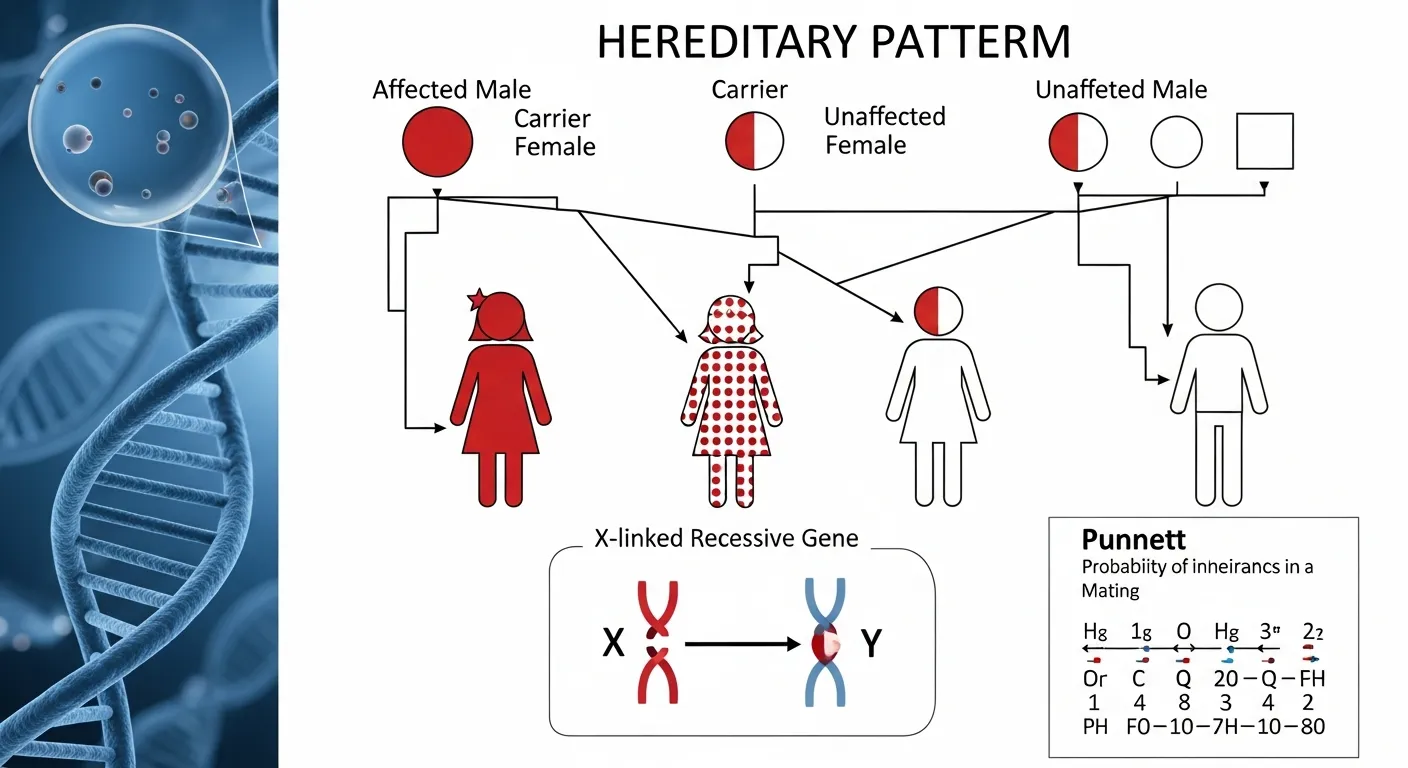
The hemophilia hereditary pattern explains how this inherited bleeding disorder passes through families. Understanding genetic inheritance, carrier status, testing options, and family planning helps individuals manage risks, make informed healthcare decisions, and support future generations effectively.
Hemophilia is a rare inherited bleeding disorder that affects the body’s ability to form blood clots properly. While medical advances have significantly improved the quality of life for people with hemophilia, understanding the hemophilia hereditary pattern remains essential for affected individuals, carriers, and families planning for the future.
The hereditary nature of hemophilia means that the condition is typically passed from one generation to the next through specific genetic mechanisms. Knowing how inheritance works can help families identify risks, seek appropriate genetic counseling, and make informed healthcare decisions.
This comprehensive guide explores the hemophilia hereditary pattern, including inheritance mechanisms, carrier status, family risk assessment, genetic testing, and reproductive considerations.
What Is Hemophilia?
Hemophilia is a genetic bleeding disorder caused by a deficiency or absence of specific clotting factors in the blood. Without sufficient clotting factors, the body struggles to stop bleeding after injury.
The two most common forms are:
Hemophilia A
Hemophilia A occurs due to a deficiency of clotting Factor VIII. It accounts for approximately 80% of all hemophilia cases.
Hemophilia B
Hemophilia B results from a deficiency of clotting Factor IX and is sometimes referred to as Christmas disease.
Both conditions share a similar hemophilia hereditary pattern and are inherited through X-linked genetic transmission.
Understanding the Genetics Behind Hemophilia
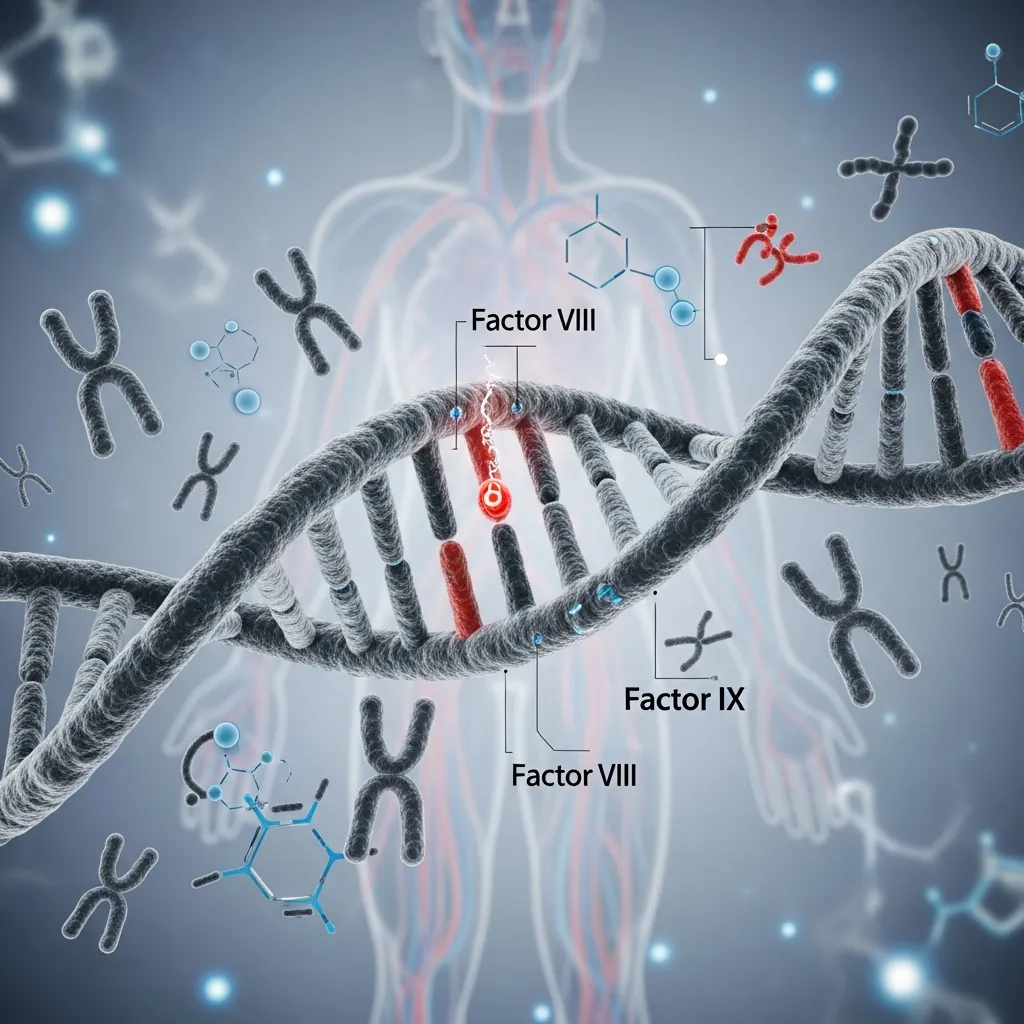
Genes carry the instructions for producing proteins necessary for normal bodily functions. In hemophilia, mutations in specific genes affect the production of clotting factors.
The genes responsible are located on the X chromosome:
- Factor VIII gene (F8) causes Hemophilia A
- Factor IX gene (F9) causes Hemophilia B
Because these genes are located on the X chromosome, the hemophilia hereditary pattern follows an X-linked recessive inheritance pattern.
What Is X-Linked Recessive Inheritance?
To understand the hemophilia hereditary pattern, it is important to understand chromosomes.
Humans have 23 pairs of chromosomes:
- Females have two X chromosomes (XX)
- Males have one X chromosome and one Y chromosome (XY)
Since males possess only one X chromosome, a mutation in the hemophilia gene usually causes the disorder.
Females have two X chromosomes, so if one contains the mutation and the other is normal, they are often carriers rather than affected individuals.
This distinction explains why hemophilia is more common in males than females.
Hemophilia Hereditary Pattern in Families
The hemophilia hereditary pattern can be observed through several inheritance scenarios.
Carrier Mother and Unaffected Father
When a mother carries the hemophilia gene and the father does not have hemophilia:
Each pregnancy has:
- 25% chance of an unaffected son
- 25% chance of a son with hemophilia
- 25% chance of an unaffected daughter
- 25% chance of a carrier daughter
This is one of the most common inheritance patterns seen in hemophilia families.
Father with Hemophilia and Unaffected Mother
If the father has hemophilia and the mother does not carry the mutation:
- All daughters become carriers
- No sons inherit hemophilia from the father
This occurs because fathers pass their Y chromosome to sons and their X chromosome to daughters.
Father with Hemophilia and Carrier Mother
This less common situation presents increased genetic risks:
Possible outcomes include:
- Daughter with hemophilia
- Carrier daughter
- Son with hemophilia
- Unaffected child
Because both parents contribute affected genetic material, the probability of hemophilia increases significantly.
Can Females Have Hemophilia?
Although the hemophilia hereditary pattern primarily affects males, females can also develop hemophilia under certain circumstances.
Possible reasons include:
Inheriting Two Mutated Genes
A daughter may inherit:
- One affected X chromosome from her father
- One affected X chromosome from her carrier mother
This can result in symptomatic hemophilia.
Skewed X-Chromosome Inactivation
Some female carriers experience uneven activation of X chromosomes, causing reduced clotting factor production.
New Genetic Mutations
Rare spontaneous mutations may lead to hemophilia in females even without a family history.
Although hemophilia is more common in males, women and girls can also experience symptoms or, in rare cases, develop the condition. To learn more about diagnosis, symptoms, and treatment considerations in females, read our detailed guide on can females have hemophilia?
Carrier Status and Its Importance
Carrier identification is a critical aspect of understanding the hemophilia hereditary pattern.
A carrier possesses one normal gene and one altered gene associated with hemophilia.
While many carriers experience no symptoms, some may have:
- Heavy menstrual bleeding
- Easy bruising
- Excessive bleeding after surgery
- Prolonged bleeding after dental procedures
Recognizing carrier status allows individuals to pursue:
- Genetic counseling
- Family planning
- Early diagnosis in children
- Preventive healthcare strategies
How Genetic Mutations Occur
Most hemophilia cases are inherited, but not all.
Approximately one-third of cases arise from new genetic mutations that occur spontaneously.
These mutations can develop:
- During egg formation
- During sperm formation
- Early in embryonic development
As a result, a child may have hemophilia even when no family history exists.
Once the mutation occurs, it can be passed to future generations according to the standard hemophilia hereditary pattern.
Family History and Risk Assessment
Evaluating family history plays an important role in identifying potential carriers and affected individuals.
Healthcare providers often ask about:
- Relatives with bleeding disorders
- Unexplained bleeding episodes
- Frequent blood transfusions
- Early deaths related to bleeding complications
Creating a family pedigree can help specialists trace the hemophilia hereditary pattern across multiple generations.
Genetic Testing for Hemophilia
Modern genetic testing has transformed the diagnosis and management of hemophilia.
Testing can:
- Confirm diagnosis
- Identify carriers
- Detect specific mutations
- Support family planning decisions
Common testing methods include:
DNA Analysis
DNA testing identifies mutations in the F8 or F9 genes.
Carrier Screening
Women with a family history of hemophilia may undergo carrier testing.
Prenatal Testing
Prenatal testing can determine whether a fetus has inherited the mutation.
These tests provide valuable insights into the family’s hemophilia hereditary pattern.
Genetic testing plays a crucial role in confirming diagnoses and identifying carriers. Individuals who want to learn more about available testing methods can explore our guide to hemophilia testing and diagnosis ,which explains the most common laboratory and genetic evaluations.
Genetic Counseling and Hemophilia
Genetic counseling is highly recommended for individuals and families affected by hemophilia. Because the hemophilia hereditary pattern follows an X-linked recessive inheritance model, understanding how the condition may be passed from one generation to the next is essential for informed decision-making.
A genetic counselor helps individuals and families:
- Understand inheritance risks
- Interpret genetic test results
- Identify potential carrier status
- Explore reproductive and family-planning options
- Learn about available screening and diagnostic tests
- Make informed healthcare decisions
Genetic counseling is particularly valuable for women with a family history of hemophilia, known carriers, and couples who are planning to have children. During a counseling session, specialists may review family medical histories, create a genetic pedigree, explain inheritance probabilities, and discuss the likelihood of passing the condition to future generations.
In addition to helping families understand genetic risks, counselors can provide emotional support and connect patients with educational resources, support groups, and specialized healthcare providers. This guidance can reduce uncertainty and help families feel more confident when making important medical and reproductive decisions.
Counseling becomes especially important when planning pregnancy or evaluating carrier status. Early identification of genetic risks allows families to consider options such as carrier screening, prenatal testing, and preimplantation genetic testing (PGT). For additional information about genetics, inheritance patterns, and genetic counseling resources, visit the National Human Genome Research Institute (NHGRI), a trusted source of information on genetic disorders and family health.
Reproductive Options for At-Risk Families
 Families affected by the hemophilia hereditary pattern have several reproductive options available.
Natural Conception
Some families choose natural conception while understanding inheritance risks.
Prenatal Diagnosis
Testing during pregnancy can identify whether the fetus has inherited hemophilia.
Preimplantation Genetic Testing (PGT)
PGT allows embryos created through IVF to be screened before implantation.
Donor Eggs or Donor Sperm
Some families consider donor reproductive cells to reduce genetic risk.
The choice depends on personal, medical, ethical, and financial considerations.
Symptoms Associated with Hemophilia
Understanding inheritance is important, but recognizing symptoms is equally crucial.
Common symptoms include:
- Frequent nosebleeds
- Easy bruising
- Excessive bleeding after injury
- Joint bleeding
- Muscle bleeding
- Prolonged bleeding after surgery
- Internal bleeding episodes
Early diagnosis through awareness of the hemophilia hereditary pattern can improve treatment outcomes.
Bleeding severity can vary among individuals depending on factor levels and disease type. For additional insights into symptom evaluation, explore our guide on bleeding time in hemophilia B.
Living with an inherited condition can create emotional challenges.
Families may experience:
- Anxiety regarding future pregnancies
- Concerns about passing the condition to children
- Stress related to treatment costs
- Emotional burden associated with chronic disease management
Support groups, counseling, and educational resources can help families navigate these challenges effectively.
Living with a lifelong bleeding disorder often requires emotional support and access to reliable healthcare resources. Families may benefit from the strategies discussed in our article on chronic illness support and resources.
Preventing Complications Through Early Detection
While the genetic mutation cannot currently be prevented, complications can often be minimized through:
- Early diagnosis
- Routine medical monitoring
- Preventive treatment
- Education about bleeding risks
- Genetic counseling
Understanding the hemophilia hereditary pattern allows healthcare providers to identify at-risk individuals before serious complications occur.
The Future of Hemophilia Genetics
 Research continues to improve our understanding of genetic bleeding disorders.
Emerging developments include:
- Advanced gene-editing technologies
- More accurate carrier detection
- Personalized medicine approaches
- Improved prenatal screening
- Expanded access to genetic counseling
These innovations may significantly influence how future generations manage the hemophilia hereditary pattern.
Conclusion
The hemophilia hereditary pattern follows an X-linked recessive inheritance model that primarily affects males while often making females carriers. Understanding this genetic pathway is crucial for early diagnosis, carrier identification, family planning, and informed healthcare decisions. Through genetic testing, counseling, and modern treatment options, individuals and families affected by hemophilia can better manage risks and improve long-term health outcomes. As medical research continues to advance, awareness of hemophilia inheritance remains a powerful tool for prevention, education, and effective disease management.
Frequently Asked Questions (FAQs)
1. What is the hemophilia hereditary pattern?
The hemophilia hereditary pattern is an X-linked recessive inheritance pattern in which mutations in clotting factor genes are passed through families, primarily affecting males while females are often carriers.
2. Is hemophilia always inherited from parents?
No. While most cases are inherited, approximately one-third of hemophilia cases result from spontaneous genetic mutations without a previous family history.
3. Why are males more likely to have hemophilia?
Males have only one X chromosome. If that chromosome carries a hemophilia mutation, they will develop the disorder because they lack a second healthy X chromosome to compensate.
4. Can females develop hemophilia?
Yes. Although rare, females can develop hemophilia if they inherit two affected X chromosomes, experience skewed X-chromosome inactivation, or develop a spontaneous mutation.
5. What is a hemophilia carrier?
A carrier is a person, usually a female, who has one normal copy and one altered copy of the hemophilia gene. Carriers can pass the mutation to their children.
6. Can carrier women experience symptoms?
Yes. Some carriers may experience heavy menstrual bleeding, easy bruising, prolonged bleeding after surgery, or other mild bleeding symptoms due to reduced clotting factor levels.
7. How is carrier status confirmed?
Carrier status is typically confirmed through genetic testing and clotting factor level assessments, especially when there is a family history of hemophilia.
8. What role does genetic counseling play in hemophilia?
Genetic counseling helps individuals understand inheritance risks, interpret test results, evaluate reproductive options, and make informed healthcare and family-planning decisions.
9. Can hemophilia be detected before birth?
Yes. Prenatal diagnostic tests and preimplantation genetic testing can identify whether a fetus or embryo carries the genetic mutation associated with hemophilia.
10. How does understanding the hemophilia hereditary pattern benefit families?
Understanding the inheritance pattern helps families assess risks, identify carriers, pursue appropriate testing, plan pregnancies, and ensure early diagnosis and treatment for affected individuals.
