



Can females have hemophilia? Yes, females can experience hemophilia symptoms as carriers or through genetic inheritance. Understanding bleeding disorders, diagnostic challenges, factor level testing, and modern treatment options helps improve early diagnosis, symptom management, and long-term health outcomes.
Yes, females can have hemophilia. While the condition primarily affects males, females can be symptomatic carriers who experience mild to severe bleeding issues. In extremely rare genetic scenarios, such as inheriting the mutated gene from both parents or experiencing skewed X-chromosome inactivation, a female can develop severe, true hemophilia.
When people hear the term “hemophilia,” they often assume it only affects men. Medical textbooks traditionally describe it as a classic X-linked genetic disorder that primarily impacts males. However, this simplified explanation has contributed to years of under diagnosis and misunderstanding surrounding women with bleeding disorders. Many women experiencing chronic bruising, heavy menstrual bleeding, or prolonged bleeding after surgery may never realize their symptoms could be related to hemophilia.
The question “can females have hemophilia” is increasingly important in modern hematology and women’s health awareness. Research now confirms that females can experience clinically significant bleeding symptoms even when labeled only as “carriers.” Some women have clotting factor levels low enough to meet the medical criteria for mild, moderate, or even severe hemophilia. As awareness improves, healthcare professionals are beginning to recognize the need for earlier diagnosis, genetic testing, and individualized treatment plans for affected females.
This comprehensive guide breaks down the complex genetics behind the disease, explaining exactly how and why women experience symptoms. You will learn about the difference between being a carrier and having true hemophilia, the diagnostic challenges women face, and the modern treatment options available. Whether you have a family history of bleeding disorders or are seeking answers for your own health, this article provides practical, evidence-based information to help you better understand the condition.
What does it mean to be a carrier female?
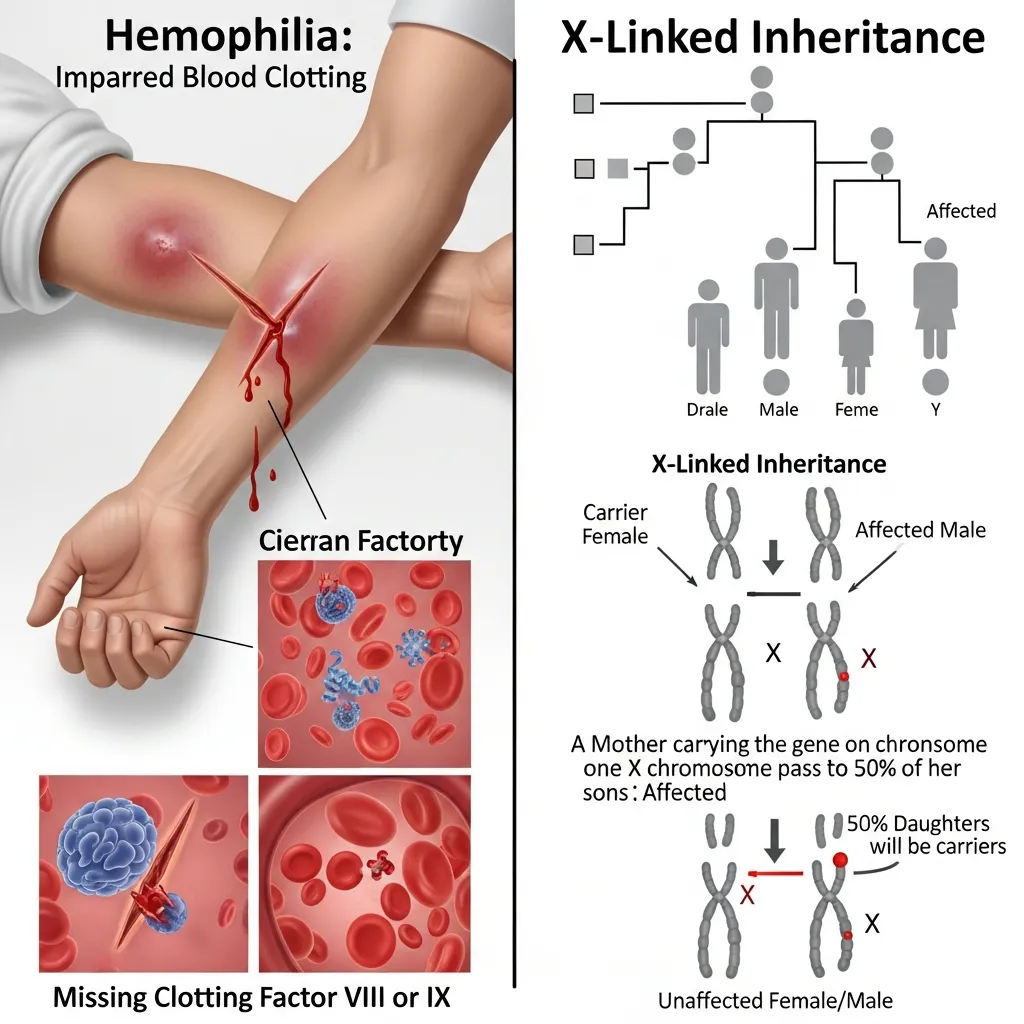
The question “can females have hemophilia” often starts with understanding carriers. A carrier female is a woman who inherits one X chromosome with the hemophilia mutation and one normal X chromosome. Historically, medical professionals believed that carriers were completely asymptomatic, simply passing the gene to their children without experiencing any personal health impacts. Modern medicine now recognizes that this is entirely incorrect.
How do carrier females experience bleeding symptoms?
While the healthy X chromosome usually produces enough clotting factor to prevent severe, spontaneous bleeding, it does not always produce enough to guarantee completely normal blood clotting. Many carrier females have clotting factor levels that fall well below the normal range of 50% to 150%. When factor levels drop below 50%, a woman can experience significant bleeding issues, effectively answering the question “can females have hemophilia” with a clear yes—albeit often in a milder form than men.
What is the spectrum of symptoms in carriers?
The symptoms experienced by carrier females vary drastically from person to person. Some women never experience a single abnormal bleeding event. Others suffer from heavy menstrual periods, prolonged bleeding after dental procedures, or severe hemorrhaging after giving birth. According to the World Federation of Hemophilia [WFH, 2022], up to one-third of all female carriers experience bleeding symptoms that require medical intervention (link: https://wfh.org/).
Why do some symptomatic carriers experience severe bleeding?
 When might a carrier female notice bleeding symptoms?
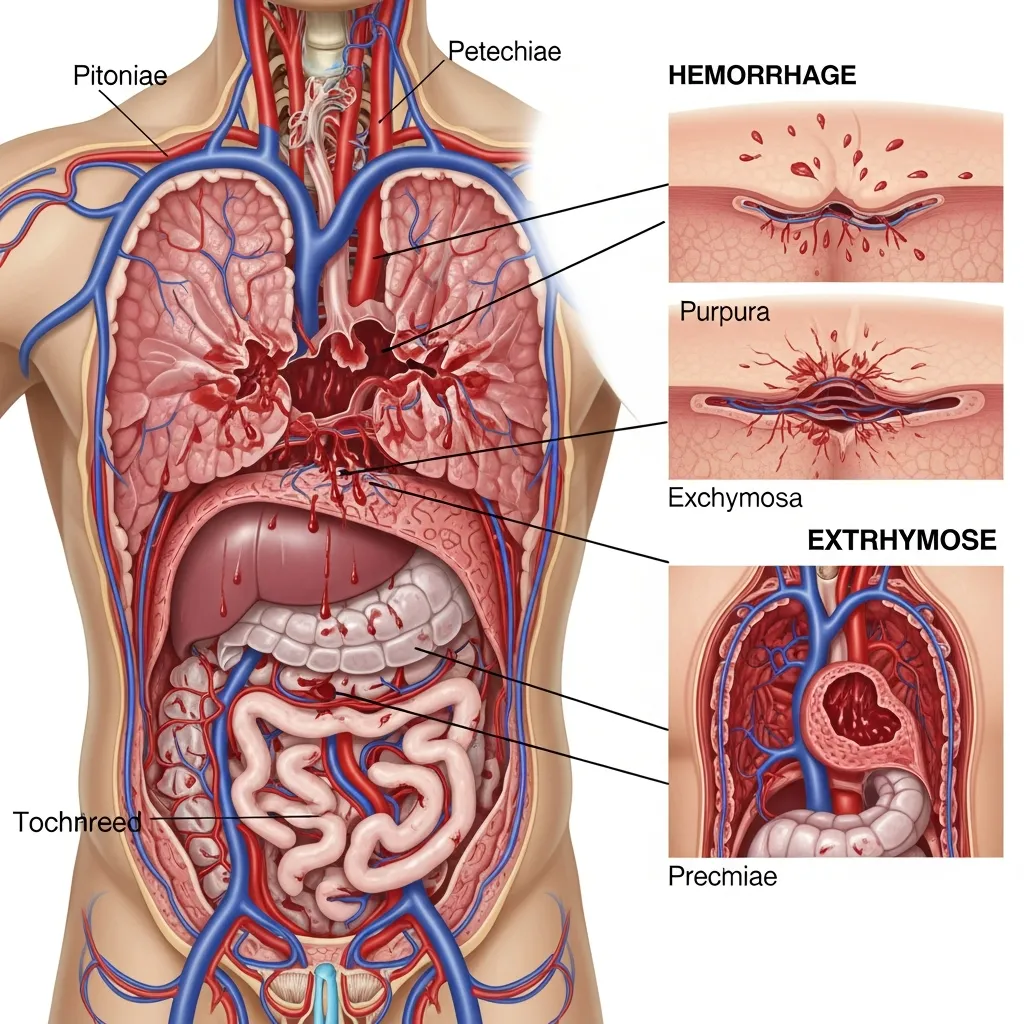
Symptomatic carriers often remain undiagnosed until they face a significant physical trauma. Routine scrapes and bumps might heal normally. However, extracting a wisdom tooth, undergoing a tonsillectomy, or giving birth can trigger severe, uncontrolled bleeding. Additionally, many symptomatic carriers struggle with debilitatingly heavy menstrual cycles from a young age, a symptom often incorrectly dismissed as normal by healthcare providers.
What specific factors influence symptom severity in carriers?
The severity of a carrier’s symptoms depends directly on her baseline clotting factor levels. A woman with a clotting factor level of 45% will likely experience fewer issues than a woman with a factor level of 15%. Other biological variables, such as the presence of co-existing blood disorders or medications that thin the blood, can further exacerbate bleeding tendencies.
Why do doctors face diagnostic challenges with symptomatic carriers?
The medical community’s long-standing belief that hemophilia is strictly a “male disease” creates significant diagnostic hurdles for women. Doctors often do not consider ordering a hemophilia test for a female patient presenting with heavy periods or easy bruising. Instead, they may look for other different kinds of blood diseases like von Willebrand disease or investigate issues like a low platelet count. This oversight leaves many symptomatic carriers without proper medical care for decades.
How do true, severe cases of hemophilia occur in females?
What is lyonization (X-inactivation) and how does it affect clotting?
In rare instances, the answer to “can females have hemophilia” is not just about being a carrier, but having the full, severe disease. This usually involves a biological process called lyonization, or X-inactivation. To prevent a toxic double dose of genetic information, a female’s cells randomly permanently “turn off” one of the two X chromosomes during early embryonic development.
How do skewed X-inactivation patterns cause severe hemophilia?
Typically, X-inactivation happens fairly evenly: 50% of the cells use the mother’s X chromosome, and 50% use the father’s. However, sometimes this process becomes skewed. If a female carrier experiences extremely skewed X-inactivation, her body might turn off the healthy X chromosome in 90% of her cells. This leaves the mutated X chromosome to do all the work, resulting in drastically low clotting factor levels and severe hemophilia symptoms matching those seen in affected males.
What are the unlikely genetic scenarios leading to severe hemophilia in females?
Beyond skewed X-inactivation, a female can inherit true hemophilia if she receives a mutated X chromosome from both parents. This requires her father to have hemophilia and her mother to be a carrier. While statistically improbable, it does happen. Additionally, chromosomal abnormalities, such as Turner Syndrome (where a female only has one X chromosome), can lead to severe hemophilia if that single X chromosome carries the genetic mutation.
How do medical professionals accurately diagnose hemophilia in females?
Why is mapping family history crucial for a diagnosis?
The diagnostic journey for a female suspecting a bleeding disorder must begin with a comprehensive family history. Because the disease is genetic, identifying male relatives with hemophilia or female relatives with heavy bleeding provides vital clues. A detailed family tree helps hematologists determine the likelihood of a patient carrying the mutated gene.
How do coagulation factor assays determine factor levels?
If a doctor suspects hemophilia, they will order specific blood tests called coagulation factor assays. It is important to note that superficial tests are not enough. For example, evaluating the bleeding time in hemophilia B will often return a completely normal result because primary platelet function remains intact. Instead, doctors must measure the exact percentage of Factor VIII and Factor IX circulating in the blood to confirm a deficiency.
Why is genetic testing necessary for carriers?
While factor assays determine bleeding risk, they cannot definitively prove carrier status because some carriers have perfectly normal factor levels. Genetic testing is the gold standard. By analyzing the patient’s DNA, scientists can pinpoint the exact mutation on the F8 or F9 gene. According to the Centers for Disease Control and Prevention [CDC, 2023], genetic testing is crucial for accurate family planning and carrier identification (link: https://www.cdc.gov/ncbddd/hemophilia/index.html).
What are the management and treatment options for females with hemophilia?
Should females choose prophylactic or on-demand treatment?
Treatment strategies depend entirely on the patient’s factor levels and bleeding history. Choose on-demand treatment if you only experience bleeding issues during specific events like surgeries or dental work. On-demand treatment involves infusing clotting factor concentrates only when bleeding occurs. Choose prophylactic treatment if your factor levels are very low and you experience spontaneous joint or muscle bleeds. Prophylaxis requires regular, scheduled factor infusions to prevent bleeding before it starts.
How can doctors help manage menorrhagia and gynecological issues?
Menorrhagia, or excessively heavy menstrual bleeding, is a primary concern for females with hemophilia. Hematologists and gynecologists must work together. Treatments often include antifibrinolytic medications, such as tranexamic acid, which prevent blood clots from breaking down. Hormonal therapies, including birth control pills or intrauterine devices (IUDs), are also highly effective at managing and reducing heavy menstrual flow.
What considerations are necessary during pregnancy and childbirth?
Pregnancy requires meticulous planning for symptomatic carriers. Interestingly, Factor VIII levels often rise naturally during pregnancy, offering temporary protection. However, these levels crash rapidly after delivery, putting the mother at extreme risk for postpartum hemorrhage. A specialized birth plan, coordinated with a hematologist, is mandatory. It should outline exactly what factor concentrates or medications the mother will need immediately following the birth.
What is it like living with hemophilia as a female?

What is the psychological and social impact on women?
Living with a condition that society insists you cannot have takes a massive emotional toll. Women often face medical gaslighting, enduring years of severe pain and heavy bleeding while doctors dismiss their concerns. This invalidation leads to anxiety, depression, and a deep distrust of the medical system. Validation of their pain and a formal diagnosis often bring immense psychological relief.
How do support networks and advocacy change patient outcomes?
Connecting with other symptomatic carriers is life-changing. Support networks provide a safe space for women to share their experiences, recommend knowledgeable hematologists, and learn practical management strategies. Patient advocacy groups are actively working to change the medical narrative, ensuring that medical literature clearly answers “can females have hemophilia” to educate the next generation of doctors.
How can we empower women with bleeding disorders?
Empowerment starts with education. Women must understand their own baseline factor levels and what those numbers mean for their bleeding risk. Armed with this data, women can confidently advocate for themselves in emergency rooms and surgical consultations, insisting on the specialized care their genetic status requires.
What does the future hold for female hemophilia research?
How are advances changing our understanding of female hemophilia?
The scientific community is finally prioritizing female bleeding disorders. New studies are mapping how hormonal fluctuations throughout a woman’s life cycle impact clotting factor efficacy. Researchers are also standardizing the nomenclature, pushing to classify women with low factor levels as having “mild hemophilia” rather than just being “symptomatic carriers,” which helps validate their clinical needs.
What new treatment modalities are on the horizon?
While factor replacement therapy remains the standard of care, non-factor replacement therapies are revolutionizing treatment. These new medications, administered via simple subcutaneous injections rather than intravenous infusions, rebalance the coagulation cascade without relying on the missing factor. These therapies offer immense promise for women seeking easier, more consistent bleeding management.
How will personalized medicine improve patient care?
Personalized medicine will tailor treatment plans to a woman’s specific genetic mutation and X-inactivation patterns. By understanding the unique molecular biology of an individual patient, doctors will be able to predict bleeding risks accurately and prescribe the exact medications that will work best for her specific body chemistry.
Final thoughts on women and hemophilia
When someone asks “can females have hemophilia,” the medical community must respond with a definitive yes. Whether they are symptomatic carriers experiencing heavy menses and surgical bleeding, or rare individuals with severe factor deficiencies, women face very real and dangerous bleeding risks. The historical misconception that hemophilia is exclusively a male disease has caused decades of unnecessary suffering for women.
It is crucial to raise awareness and ensure proper diagnostic protocols are followed for any female presenting with abnormal bleeding. Recognizing the symptoms, demanding accurate coagulation assays, and pursuing genetic testing can save lives. If you or a loved one suspect a bleeding disorder, advocate for comprehensive testing and connect with a specialized Hemophilia Treatment Center. Medical science is advancing rapidly, and women deserve equal access to the accurate diagnoses and life-changing treatments available today.
Conclusion
Understanding Can Females Have Hemophilia is essential for improving awareness, diagnosis, and treatment of this inherited bleeding disorder. Although hemophilia is more commonly associated with males, females can also be affected as carriers or, in rare cases, experience full symptoms due to genetic inheritance patterns.
Early recognition of symptoms, proper diagnostic testing, and timely medical care can significantly improve quality of life. With increased awareness around Can Females Have Hemophilia, more women can receive accurate diagnoses, appropriate treatment, and better long-term health outcomes.
Frequently Asked Questions (FAQ)
1. Can females have hemophilia?
Yes, females can have hemophilia. While it is more common in males, females may experience symptoms as carriers or in rare cases develop full hemophilia due to genetic factors.
2. Why is hemophilia more common in males than females?
Hemophilia is an X-linked disorder. Since males have only one X chromosome, a single mutation causes the disease, while females usually have a second healthy X chromosome.
3. Can females be symptomatic carriers of hemophilia?
Yes, many females who carry the gene may show symptoms such as heavy menstrual bleeding, easy bruising, or prolonged bleeding after injury or surgery.
4. How do females develop full hemophilia?
Females may develop full hemophilia if they inherit mutated genes from both parents or due to skewed X-chromosome inactivation affecting clotting factor levels.
5. What are common symptoms of hemophilia in females?
Symptoms include frequent nosebleeds, heavy periods, prolonged bleeding, easy bruising, and joint pain from internal bleeding.
6. How is hemophilia diagnosed in females?
Diagnosis involves blood tests measuring clotting factor levels, family history evaluation, and genetic testing to identify mutations.
7. Can females pass hemophilia to their children?
Yes, females carrying the gene can pass it to both sons and daughters, with sons being more likely to develop the condition.
8. Is hemophilia in females often misdiagnosed?
Yes, it is often underdiagnosed or misdiagnosed as menstrual disorders or anemia due to lack of awareness.
9. What treatments are available for females with hemophilia?
Treatment may include clotting factor replacement therapy, medications to control bleeding, and preventive care during surgery or childbirth.
10. Should females with family history get tested?
Yes, genetic counseling and early testing are recommended for females with a family history of hemophilia.
