


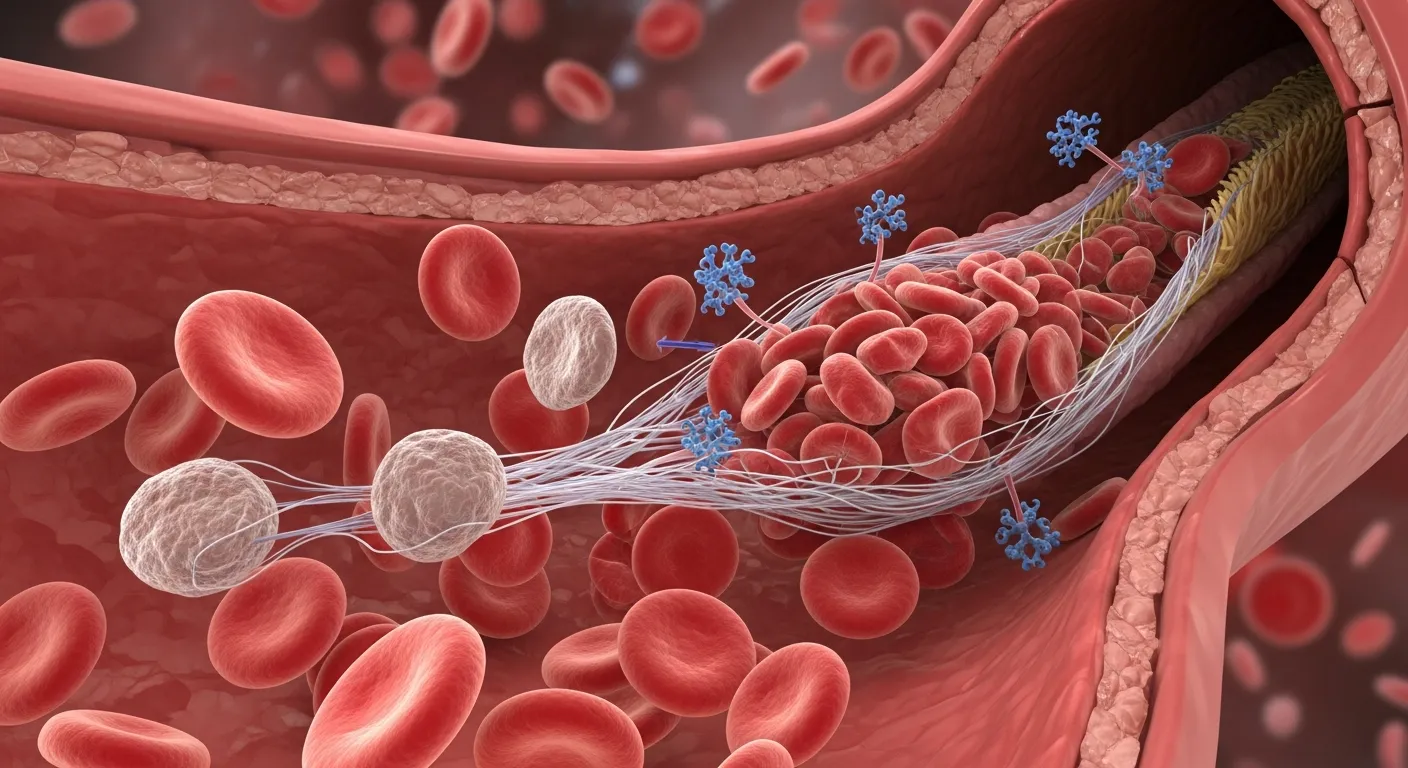
Hemophilia low platelet count can both cause abnormal bleeding, but they are different blood disorders. Understanding their causes, symptoms, and treatment options helps patients manage risks, improve health outcomes, and seek timely medical care when needed.
Understanding Hemophilia
Hemophilia is a rare genetic disorder that prevents blood from clotting properly. To understand why this happens, we have to look at the proteins circulating in the bloodstream.
Types of Hemophilia and Their Genetic Basis
The body uses a numbered series of clotting factors to form a stable blood clot. Hemophilia occurs when a person is missing one of these specific factors, or when the factor they do have does not work correctly. The specific missing protein determines the type of hemophilia a patient has.
Hemophilia A is the most common variation. People with this type lack sufficient amounts of clotting factor VIII (8). Hemophilia B, sometimes called Christmas disease, occurs when a person is missing clotting factor IX (9). Both of these types are inherited in an X-linked recessive pattern, meaning they primarily affect males, while females are typically carriers who might experience milder symptoms.
Hemophilia C is a much rarer form of the disorder. It involves a deficiency of clotting factor XI (11). Unlike types A and B, hemophilia C affects both males and females equally.
How Clotting Factors Malfunction
When a blood vessel is injured, the body triggers a cascade of chemical reactions. Clotting factors activate one another in a precise sequence to form a strong, durable web of fibrin over the wound. In a person with hemophilia, this cascade is broken. The missing or defective clotting factor breaks the chain reaction. As a result, the fibrin web never fully forms, and the initial clot remains weak and unstable. The bleeding continues much longer than it should.
Common Symptoms and Complications
The severity of hemophilia symptoms depends directly on the level of clotting factor in the blood. People with mild hemophilia might only experience heavy bleeding after a major trauma or surgery. Those with severe hemophilia can experience spontaneous bleeding episodes without any obvious cause.
Common symptoms include large, deep bruises, unexplained nosebleeds, and blood in the urine or stool. The most dangerous complication is internal bleeding into the joints, particularly the knees, ankles, and elbows. Over time, repeated joint bleeding damages the cartilage and bone, leading to chronic pain, swelling, and permanent mobility issues.
The Role of Platelets in Hemostasis
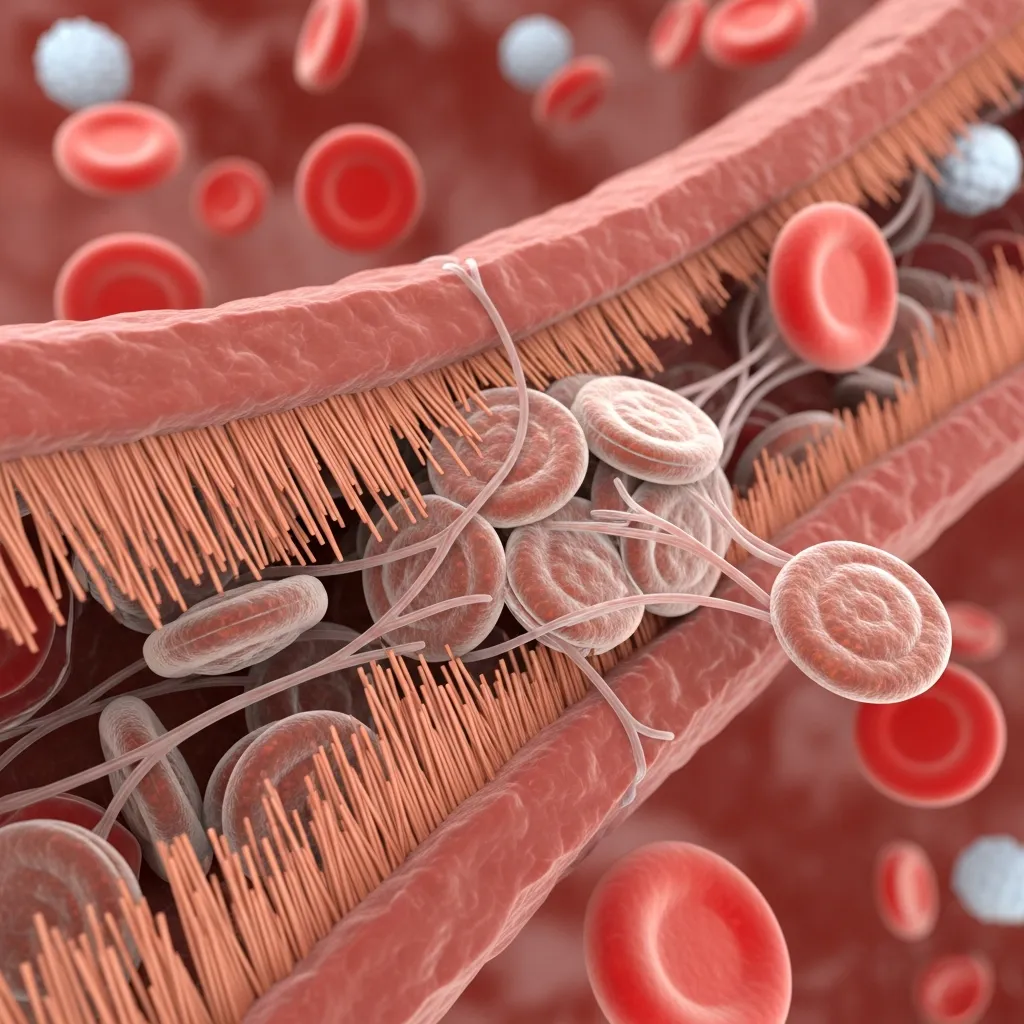 To understand why a hemophilia platelet count is usually normal, we need to look at what platelets actually do. Hemostasis is the medical term for the body’s process of stopping bleeding.
Platelet Structure and Function
Platelets, also known as thrombocytes, are tiny, disc-shaped cell fragments produced in the bone marrow. They constantly circulate through the bloodstream on high alert. When a blood vessel tears, it exposes underlying tissue. Platelets immediately recognize this damage and rush to the site. They change shape, growing sticky tentacles that allow them to clump together and adhere to the torn vessel wall. This creates a temporary seal called a platelet plug.
Interaction with Clotting Factors
The platelet plug is a fast, effective first response, but it is fragile. It cannot withstand the pressure of blood pumping through the vessels for long. This is where the clotting factors step in. The activated platelets release chemicals that help trigger the clotting cascade. The clotting factors work to weave strands of fibrin through the platelet plug, reinforcing it and creating a permanent, solid clot that allows the tissue to heal.
Platelet Count Versus Platelet Function
Medical professionals measure platelets in two different ways. The platelet count refers strictly to the total number of platelets circulating in the blood. Platelet function refers to how well those cells activate, stick together, and attach to blood vessel walls. A person can have a perfectly normal number of platelets, but still experience bleeding problems if those cells do not function correctly.
Hemophilia and Platelet Count: Clarifying the Connection
Because both hemophilia and platelet disorders cause bleeding, they are frequently confused.
Why a Hemophilia Platelet Count is Usually Normal
A standard hemophilia platelet count will almost always show a normal number of platelets. Hemophilia strictly affects the protein clotting factors in the blood plasma. It has absolutely no direct impact on the bone marrow’s ability to produce platelets, nor does it affect the structure or function of the platelets themselves. When a person with hemophilia gets a cut, their platelets form the initial plug perfectly. The bleeding continues because the missing clotting factors cannot reinforce that plug with fibrin.
The Misconception of Hemophilia Low Platelets
Searching for information about a hemophilia low platelet count often leads to confusion. The phrase “hemophilia low platelets” is generally inaccurate when describing the primary disease. If a person has a low platelet count (a condition called thrombocytopenia), they have a different medical issue entirely. While the end result—prolonged bleeding—looks similar from the outside, the biological cause is completely different.
When Might a Patient Have Both?
There is no biological rule that prevents a person from having two separate medical conditions at the same time. While hemophilia does not cause low platelets, a person with hemophilia might develop a low platelet count due to an unrelated co-occurring disorder, a viral infection, or as a side effect of a specific medication.
When Platelet Issues Co-exist with Hemophilia
Managing hemophilia becomes significantly more complicated if the patient also develops a platelet disorder.
Idiopathic Thrombocytopenic Purpura (ITP)
Idiopathic Thrombocytopenic Purpura (ITP) is an autoimmune disorder. In patients with ITP, the immune system mistakenly identifies healthy platelets as foreign invaders and destroys them. This drastically lowers the total platelet count. If a person with hemophilia develops ITP, they lose both their primary defense (the platelet plug) and their secondary defense (the fibrin web). This combination causes a severe, life-threatening bleeding risk that requires immediate, aggressive medical intervention.
Drug-Induced Thrombocytopenia
Certain medications can interfere with the bone marrow’s ability to produce platelets or cause the immune system to destroy them. Some antibiotics, seizure medications, and blood thinners carry this risk. Doctors treating patients with hemophilia must be incredibly careful when prescribing new medications to avoid inadvertently triggering drug-induced thrombocytopenia.
Other Medical Conditions
Liver disease is another condition that can impact platelet counts. Historically, many people with hemophilia contracted Hepatitis C from contaminated blood transfusions before modern screening protocols were implemented. Advanced Hepatitis C causes liver cirrhosis. The liver plays a crucial role in producing thrombopoietin, the hormone that stimulates platelet production. Liver damage can also cause an enlarged spleen, which prematurely traps and destroys circulating platelets.
Managing Co-existing Conditions
If a patient has both hemophilia and a low platelet count, doctors must treat both conditions simultaneously. They will continue factor replacement therapy while adding treatments to boost platelet numbers. This might include corticosteroids to suppress the immune system in cases of ITP, or adjusting current medications to eliminate drug-induced platelet destruction.
Living with Hemophilia: Daily Care and Prevention
Living with a bleeding disorder requires vigilance, but it does not mean sitting on the sidelines. With modern treatments, education, and preventive care, many people with Hemophilia Low Platelet Count can lead active, productive, and fulfilling lives while reducing health risks.
Regular Medical Check-ups
Consistent monitoring is crucial for long-term health. Patients should maintain a close relationship with a specialized hemophilia treatment center and follow all scheduled appointments. Regular check-ups allow doctors to monitor clotting factor levels, assess joint health, review treatment progress, and identify any unrelated issues such as a sudden drop in platelet count. Early detection of Hemophilia Low Platelet Count complications can help prevent serious bleeding episodes and improve overall quality of life.
Lifestyle Considerations
Physical activity is highly encouraged. Building strong muscles helps protect the joints from injury and reduces the frequency of spontaneous bleeds. Swimming, cycling, and walking are excellent low-impact options. Contact sports like football or hockey are generally discouraged due to the high risk of trauma.
Patients also need to focus on overall health. Maintaining a balanced diet, staying hydrated, and managing stress play a massive role in wellness. For a deeper look at managing long-term health challenges, you can explore this complete guide to chronic illness support and resources.
Accessing External Support
Knowledge is power when dealing with a rare disease. Organizations like the World Federation of Hemophilia provide incredible resources, global treatment guidelines, and advocacy networks for patients and families navigating this diagnosis.
 The landscape of bleeding disorder treatment is evolving rapidly, bringing new hope for patients worldwide. Ongoing research into Hemophilia Low Platelet Count and related conditions is improving diagnosis, treatment options, and long-term quality of life.