Close Menu

    Subscribe to Updates

    Get the latest creative news from FooBar about art, design and business.

    What's Hot

    Thalassemia Molecular Pathology: Genes, Mutations & Diagnosis

    June 28, 2026

    Anemia in Beta Thalassemia: Why It Happens and How It’s Treated

    June 27, 2026

    Alpha vs Beta Globin Function Difference: A Complete Guide

    June 25, 2026
    Facebook X (Twitter) Instagram
    Trending
    • Thalassemia Molecular Pathology: Genes, Mutations & Diagnosis
    • Anemia in Beta Thalassemia: Why It Happens and How It’s Treated
    • Alpha vs Beta Globin Function Difference: A Complete Guide
    • Hemoglobin Structure and Oxygen Binding Explained Simply
    • Globin Gene Switching Mechanism: How Hemoglobin Changes With Age
    • Alpha and Beta Globin Chain Imbalance: Causes, Symptoms, Diagnosis, and Treatment in Thalassemia
    • Ineffective Erythropoiesis: Understanding the Hidden Cause of Chronic Anemia
    • Thalassemia Genetic Mutation: How It’s Inherited and Treated
    Facebook X (Twitter) Instagram
    My BlogMy Blog
    • Homepage
    • Health Education
    • Medical Support
    • Chronic Illness Resources
    • Thalassemia Awareness
    My BlogMy Blog
    Home»Thalassemia Awareness»Thalassemia Minor Drugs to Avoid: A Safety Guide
    Thalassemia Awareness

    Thalassemia Minor Drugs to Avoid: A Safety Guide

    Amanda ChaseBy Amanda ChaseJune 13, 2026Updated:June 13, 2026No Comments4 Views
    Facebook Twitter Pinterest LinkedIn WhatsApp Reddit Tumblr Email
    Thalassemia Minor Drugs to Avoid
    Share
    Facebook Twitter LinkedIn Pinterest Email

    Thalassemia minor treatment mainly focuses on managing mild symptoms, maintaining healthy hemoglobin levels, and ensuring proper nutrition. Most cases do not require intensive medical intervention, but regular monitoring, a balanced diet, and lifestyle care help prevent complications and maintain overall health.

    People with thalassemia minor should be cautious with iron supplements (unless deficiency is confirmed) and oxidative stress-inducing drugs like sulfa antibiotics, dapsone, antimalarials, and nitrofurantoin—especially if G6PD deficiency co-occurs. Always tell your doctor about your carrier status, as this is an essential part of safe thalassemia minor drug precautions.

    Most people with thalassemia minor live healthy, normal lives. The condition rarely causes serious symptoms, and many carriers don’t even know they have it. Yet there’s one area where knowing your status truly matters: medication safety and overall thalassemia trait management.

    Certain drugs can interact poorly with the mild changes in red blood cells that come with thalassemia minor. Some increase the risk of oxidative damage. Others contribute to iron overload over time. A few interfere with how your body produces healthy red cells. Knowing which medications to approach with care helps you avoid preventable complications linked to thalassemia minor drugs to avoid.

    This guide breaks down the thalassemia minor drugs to avoid, why they pose a risk, and how to protect yourself through safe medication practices. Whether you’ve recently learned you carry the beta thalassemia trait or you’re researching for a family member, you’ll find clear, practical guidance here. We’ll also cover lifestyle and dietary tips that support healthy blood without putting you at risk.

    Understanding thalassemia minor drug precautions is important because even common medications can behave differently in individuals with underlying red blood cell conditions. With proper awareness and medical guidance, most risks can be easily prevented, allowing individuals with thalassemia trait to maintain a completely normal and healthy life.

    What Is Thalassemia Minor and Why Do Drug Precautions Matter?

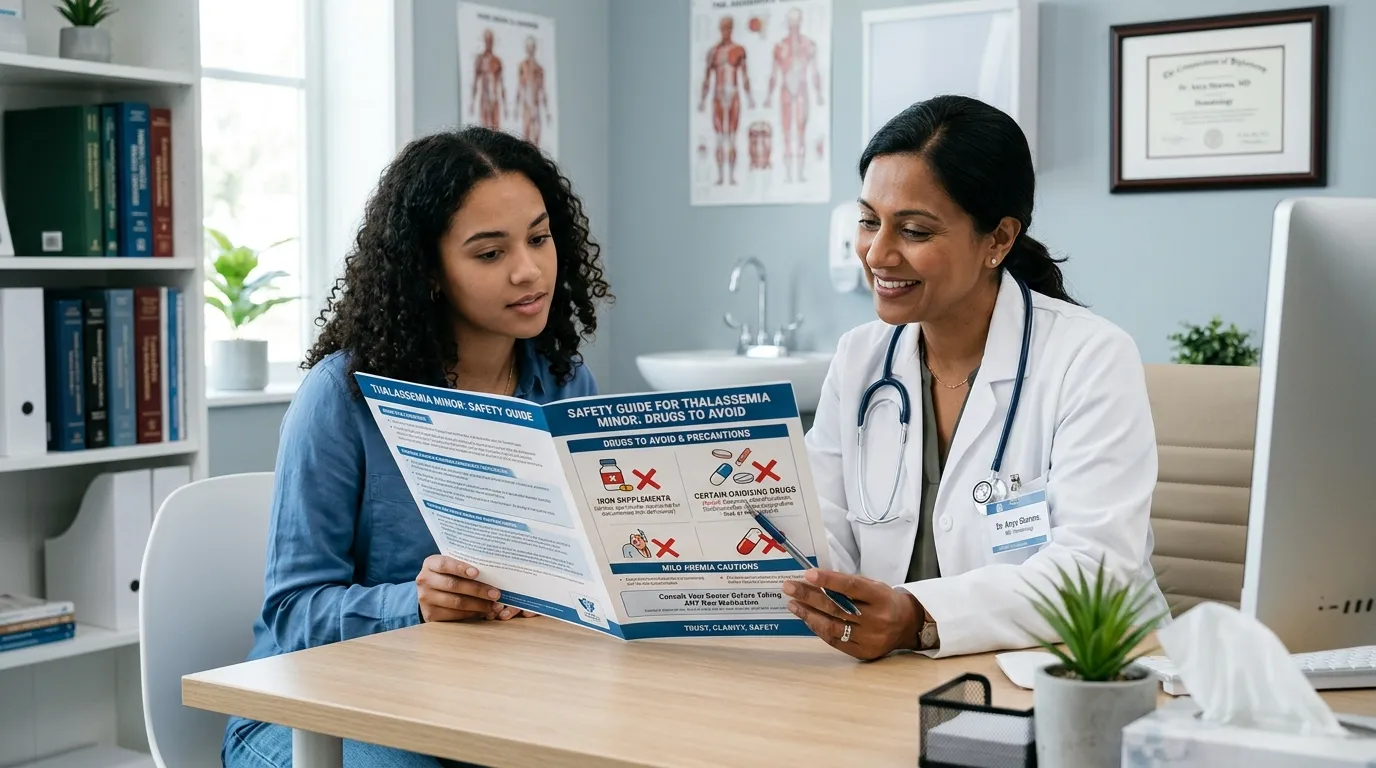
    Thalassemia minor drug precautionsThalassemia minor—also called thalassemia trait—is a genetic carrier condition. A person inherits one normal globin gene and one mutated gene, which slightly reduces hemoglobin production. The result is usually mild microcytic anemia or no symptoms at all. For a fuller picture of carrier status, our beta thalassemia trait carrier guide explains the genetics and diagnosis in detail.

    So why worry about medications if the condition is mild? The answer lies in how thalassemia minor affects red blood cells. Carriers have red cells that are smaller and more fragile than normal. Some medications add stress to these cells, which can trigger or worsen anemia. Others affect iron balance or red cell production. Knowing the medications to avoid in thalassemia trait keeps small risks from becoming bigger problems.

    The good news? Most precautions are simple. You don’t need to fear your medicine cabinet. You just need to be informed and communicate with your healthcare team.

    How Do Certain Drugs Affect People With Thalassemia Minor?

    Understanding the mechanism helps you understand the risk. Drugs that cause problems in thalassemia minor usually work through one of three pathways.

    Oxidative stress. Some drugs increase the production of reactive oxygen molecules inside red blood cells. Healthy cells handle this stress well. The more fragile cells in thalassemia carriers can break down faster, a process called hemolysis. This risk rises sharply when a carrier also has G6PD deficiency, an enzyme disorder that frequently co-occurs with thalassemia.

    Iron overload. Thalassemia carriers can absorb and store slightly more iron than average. Taking iron supplements without confirmed deficiency can push iron levels too high over time, which may harm organs.

    Interference with red cell production. A small group of drugs disrupts folic acid metabolism. Since folic acid supports red blood cell formation, these medications can deepen anemia in someone whose red cell production is already slightly reduced.

    With these pathways in mind, let’s look at the specific unsafe drugs for thalassemia minor patients.

    Which Medications Should Thalassemia Minor Patients Avoid or Use With Caution?

    The following drug classes deserve extra attention. Some should be avoided outright if G6PD deficiency is present. Others simply require careful monitoring and a conversation with your doctor.

    Iron Supplements: When Are They Risky?

    Iron supplements top the list of drug precautions in beta thalassemia minor. The mild anemia of thalassemia trait looks similar to iron deficiency anemia on a basic blood test, so it’s easy to confuse the two. But the anemia in thalassemia minor is caused by reduced globin production, not low iron.

    Taking iron when you don’t need it can lead to iron overload. Over years, excess iron may deposit in the liver, heart, and other organs. Before starting any iron supplement, ask for a serum ferritin test to confirm whether you’re actually iron-deficient.

    That said, iron isn’t always off-limits. Thalassemia carriers can develop true iron deficiency too—from heavy periods, pregnancy, or blood loss. In those confirmed cases, supervised iron supplementation is appropriate and necessary. The key is testing first, supplementing second.

    Oxidative Stress-Inducing Drugs

    This is the most important category to understand. These drugs can trigger hemolysis, particularly when G6PD deficiency is also present.

    1. Sulfa Drugs (sulfamethoxazole, trimethoprim). Commonly found in the antibiotic combination co-trimoxazole, sulfa drugs are well-known oxidative stress triggers. They’re frequently prescribed for urinary and respiratory infections, so flag your status before accepting them.

    2. Dapsone. Used to treat leprosy, certain skin conditions, and some infections, dapsone is a strong oxidizing agent. It carries a high risk of hemolysis in vulnerable patients and should be used only with careful medical supervision.

    3. Antimalarials (primaquine, chloroquine). Primaquine in particular is notorious for causing hemolysis in people with G6PD deficiency. If you’re traveling to a malaria zone, tell your doctor about your thalassemia status so they can choose a safer preventive option.

    4. High-dose Aspirin and NSAIDs. Large doses of aspirin and nonsteroidal anti-inflammatory drugs (like ibuprofen) can increase oxidative stress and irritate the stomach lining, raising bleeding risk. Occasional standard doses are usually fine, but avoid prolonged high-dose use without guidance.

    5. Nitrofurantoin and Certain Antibiotics. Nitrofurantoin, a common urinary tract infection treatment, is another oxidizing agent that can provoke hemolysis. Some other antibiotics in this category warrant caution too.

    Drugs Affecting Folic Acid Metabolism

    Folic acid is essential for making healthy red blood cells. Drugs that interfere with it can worsen anemia.

    • Methotrexate, used for cancer, rheumatoid arthritis, and psoriasis, blocks folic acid metabolism directly.
    • Phenytoin, an anti-seizure medication, can lower folate levels with long-term use.

    If you need these medications, your doctor may recommend folic acid supplementation alongside them and monitor your blood counts.

    Drugs That Cause Hemolysis in G6PD Deficiency

    Because G6PD deficiency often co-occurs with thalassemia, it deserves special mention. If you have both conditions, the oxidative drugs listed above become significantly more dangerous. A simple G6PD test can tell you whether you carry this added vulnerability—valuable information before starting any new medication.

    Why Are These Drugs Problematic in Thalassemia Minor?
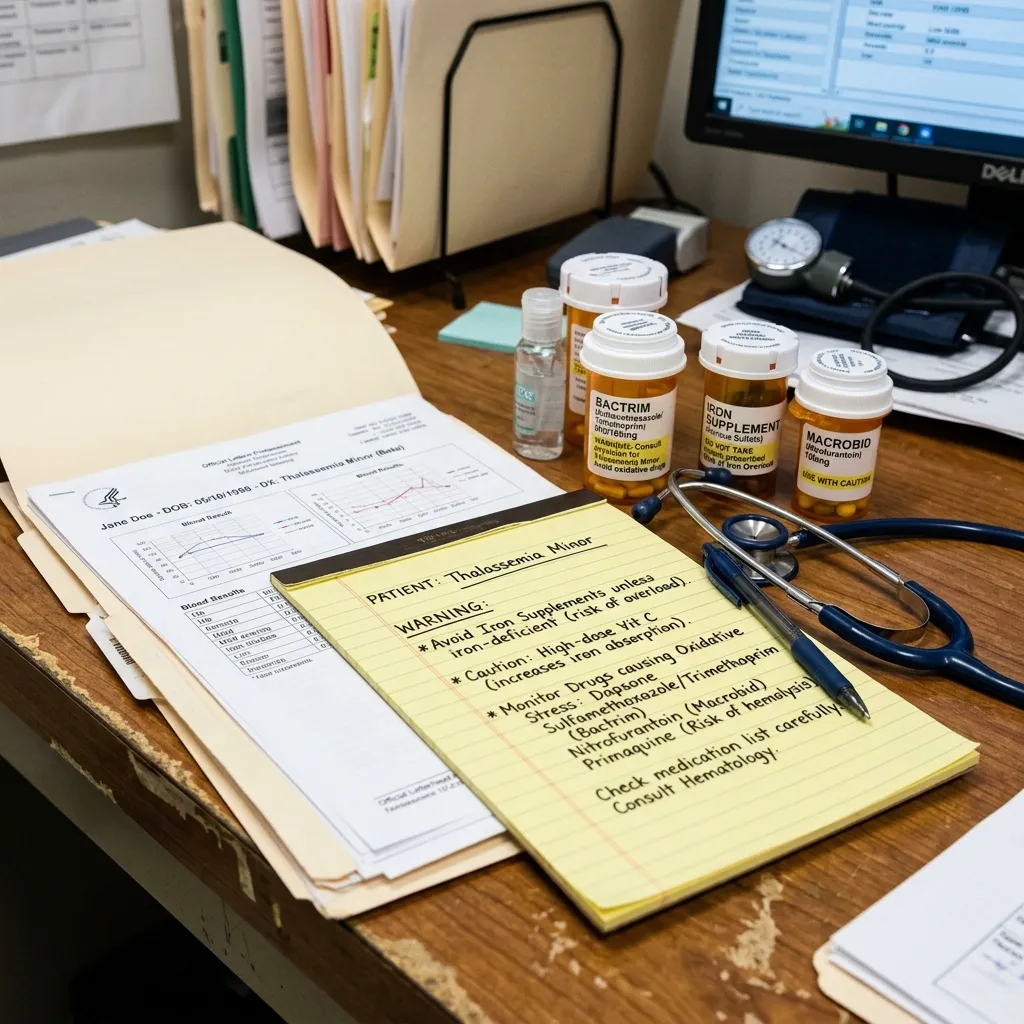
    Drugs that may be risky in thalassemia minorIt helps to connect the dots between the drugs and the harm they can cause.

    Increased oxidative stress leading to hemolysis. The fragile red cells of thalassemia carriers are less able to defend against oxidative damage. When an oxidizing drug overwhelms their defenses, cells rupture, releasing hemoglobin and worsening anemia. Symptoms can include fatigue, jaundice, dark urine, and shortness of breath.

    Iron overload concerns. Unnecessary iron accumulates silently. By the time symptoms appear, organ damage may already be underway. This is why testing before supplementing matters so much.

    Interference with red blood cell production. When folic acid is depleted, the body can’t make enough healthy red cells. For someone already producing slightly fewer cells, this can tip mild anemia into a more noticeable problem.

    How Should You Talk to Healthcare Professionals About Your Condition?

    Your medical team can only protect you if they know your status. This single step prevents most medication-related problems.

    Always inform your doctor and pharmacist. Mention your thalassemia minor status at every new appointment, before any surgery, and whenever you’re prescribed a new medication. Pharmacists are especially valuable—they can catch risky interactions before you fill a prescription.

    Request a personalized medication review. Ask your provider to review all your current medications and supplements in light of your carrier status. If you also have G6PD deficiency, make sure that’s noted in your records too.

    For broader context on how thalassemia relates to other inherited conditions, our guide on different kinds of blood diseases offers a helpful overview.

    What Are Safe Medication Practices for Thalassemia Minor Patients?

    Building a few simple habits gives you lasting protection and supports proper thalassemia trait management over time.

    Always disclose your condition. Carry a note or medical ID that lists your thalassemia minor status, and mention it to every healthcare provider. This is a key step in thalassemia minor drug precautions to avoid unsafe prescriptions and unnecessary risks during treatment.

    Read medication labels carefully. Watch for sulfa drugs, antimalarials, and high-dose NSAIDs. When in doubt, ask your pharmacist before taking any new medicine, especially those listed under thalassemia minor drugs to avoid. This small habit can prevent complications related to oxidative stress and red blood cell instability.

    Discuss alternatives with your doctor. Most risky drugs have safer substitutes. For example, a different antibiotic can often replace a sulfa drug for the same infection. This approach is an important part of safe and effective thalassemia trait management, ensuring treatment remains both effective and low-risk.

    Confirm before supplementing. Never take iron supplements without a confirmed deficiency. Get a serum ferritin test first, as unnecessary iron intake can create complications in thalassemia minor drug precautions and may contribute to long-term iron imbalance.

    Stay informed about your condition and maintain regular checkups. Awareness and communication with your healthcare team are the most reliable ways to ensure safe medication use and long-term well-being. Understanding thalassemia minor drugs to avoid empowers patients to make safer everyday health decisions.

    In addition, adopting a healthy lifestyle—balanced nutrition, adequate hydration, and stress management—can further support blood health and improve overall resilience. When combined with informed medical guidance, these habits help individuals with thalassemia minor live fully normal and healthy lives.

    What Lifestyle and Dietary Choices Support Thalassemia Minor Patients?

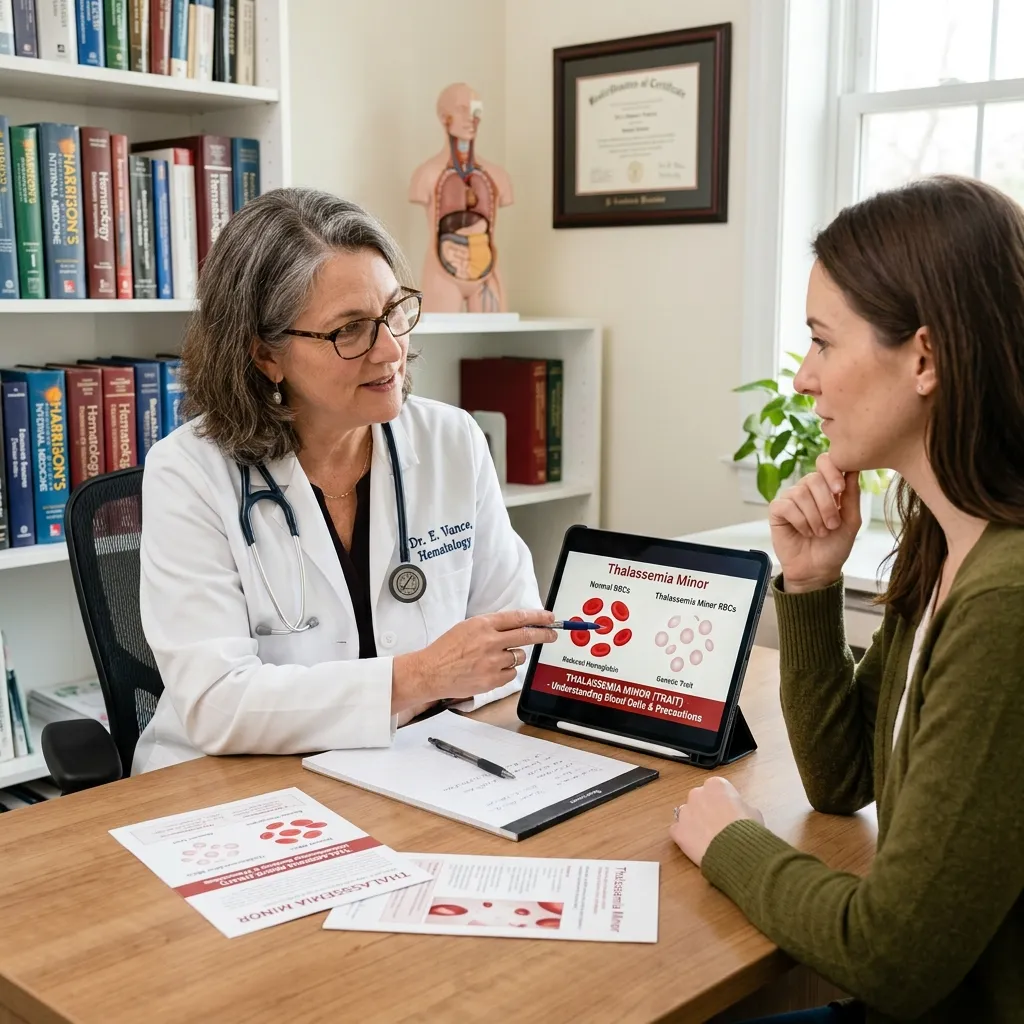
    Lifestyle and diet tips for thalassemia minor patientsMedication safety is only part of the picture. Your daily choices also support healthy blood.

    Folic acid intake. Folate supports red blood cell production. Leafy greens, legumes, citrus fruits, and fortified grains are excellent natural sources. Some doctors recommend a low-dose folic acid supplement, particularly during pregnancy.

    Vitamin C and iron absorption. Vitamin C boosts iron absorption. If you’re a carrier who isn’t iron-deficient, be mindful about pairing large vitamin C doses with iron-rich meals, since this can increase iron uptake unnecessarily.

    Antioxidant-rich foods. Foods high in antioxidants—berries, nuts, colorful vegetables, and green tea—help your red blood cells resist oxidative stress. A balanced, varied diet naturally supplies these protective compounds.

    For comprehensive guidance, the National Heart, Lung, and Blood Institute offers reliable information on living well with thalassemia. The Centers for Disease Control and Prevention also provides trusted resources on the condition.

    Protecting Your Health Starts With Awareness

    Thalassemia minor doesn’t have to limit your life. For the vast majority of carriers, it’s a quiet genetic status with one practical implication: medication awareness. By knowing the thalassemia minor drugs to avoid—iron supplements without confirmed deficiency, oxidative stress-inducing drugs, and folate-blocking medications—you take control of your own safety.

    The most powerful tool you have is communication. Tell every doctor and pharmacist about your carrier status. Ask questions. Request tests before starting iron supplements. These small steps prevent nearly all medication-related complications.

    Want to learn more about managing your condition day to day? Explore our thalassemia daily care tips and thalassemia diet and nutrition guides for practical, everyday advice. Knowledge truly is your best protection.

    Conclusion

    Understanding thalassemia minor drugs to avoid is an important part of staying healthy as a carrier of the condition. While most people with thalassemia minor live normal, symptom-free lives, being aware of medication risks helps prevent unnecessary complications related to oxidative stress and iron imbalance.

    With proper thalassemia trait management, regular communication with healthcare providers, and careful use of medications only when prescribed, most risks can be easily avoided. Always inform your doctor about your carrier status and any related conditions like G6PD deficiency before starting new drugs.

    In most cases, thalassemia minor does not limit daily life—but informed choices in medication and lifestyle ensure long-term safety, stability, and peace of mind.

    Frequently Asked Questions

    1. What are the main drugs to avoid with thalassemia minor?

    The main thalassemia minor drugs to avoid include iron supplements (unless deficiency is confirmed), sulfa antibiotics, dapsone, antimalarials like primaquine and chloroquine, high-dose NSAIDs, and nitrofurantoin.
    Folic acid blockers like methotrexate also need caution.
    These fall under important thalassemia minor drug precautions.

    2. Can people with thalassemia minor take iron supplements?

    Only if iron deficiency is proven through tests like serum ferritin.
    Thalassemia minor anemia is not caused by iron deficiency.
    Unnecessary iron intake can lead to overload in thalassemia trait management.

    3. Why are sulfa drugs unsafe for thalassemia minor patients?

    Sulfa drugs can trigger oxidative stress in red blood cells.
    This may increase hemolysis risk in carriers.
    It is a key concern in thalassemia minor drugs to avoid guidance.

    4. Is it safe to take ibuprofen with thalassemia minor?

    Occasional use is generally safe at standard doses.
    Long-term or high-dose use may increase oxidative stress risk.
    This is part of drug precautions in beta thalassemia minor care.

    5. Does thalassemia minor require special drug precautions during pregnancy?

    Yes, folic acid is often recommended during pregnancy.
    Iron should only be taken if deficiency is confirmed.
    These steps support safe thalassemia trait management in pregnancy.

    6. How does G6PD deficiency change drug safety in thalassemia minor?

    G6PD deficiency increases sensitivity to oxidative drugs.
    This raises the risk of red blood cell breakdown.
    Screening is important in thalassemia minor to avoid planning.

    7. Can thalassemia minor patients take antibiotics?

    Many antibiotics are safe for use.
    However, sulfa drugs and nitrofurantoin should be used cautiously.
    Always follow thalassemia minor drug precautions.

    8. What should I tell my doctor about my thalassemia minor?

    Inform your carrier status and any G6PD deficiency.
    Also share all medications and supplements you use.
    This ensures safe thalassemia trait management decisions.

    9. Are there safe alternatives to risky drugs?

    Yes, safer alternatives are available for most medications.
    Doctors choose substitutes based on your condition.
    This is part of thalassemia minor drugs to avoid practice.

    10. Do lifestyle and diet affect medication safety in thalassemia minor?

    Yes, indirectly through blood health support.
    A folate-rich, antioxidant diet improves red cell stability.
    This supports overall thalassemia trait management and safety.

    Beta Thalassemia Drug Safety Medication Precautions Thalassemia Minor Thalassemia Trait
    Share. Facebook Twitter Pinterest LinkedIn Tumblr Telegram Email
    Amanda Chase
    Amanda Chase

    Editor at ThalassemiaAwarenet, dedicated to creating clear and compassionate content on thalassemia and health topics. Helps patients, families, and caregivers stay informed and empowered to manage their well-being effectively.

    Related Posts

    Thalassemia Molecular Pathology: Genes, Mutations & Diagnosis

    June 28, 2026

    Anemia in Beta Thalassemia: Why It Happens and How It’s Treated

    June 27, 2026

    Alpha vs Beta Globin Function Difference: A Complete Guide

    June 25, 2026
    Leave A Reply Cancel Reply

    You may like

    Thalassemia Molecular Pathology: Genes, Mutations & Diagnosis

    June 28, 20261

    Anemia in Beta Thalassemia: Why It Happens and How It’s Treated

    June 27, 20263

    Alpha vs Beta Globin Function Difference: A Complete Guide

    June 25, 20262

    Hemoglobin Structure and Oxygen Binding Explained Simply

    June 24, 20264

    Globin Gene Switching Mechanism: How Hemoglobin Changes With Age

    June 23, 20265
    Facebook X (Twitter) Instagram Pinterest
    • About us
    • Contact us
    • Privacy Policy
    • Terms & Conditions
    © 2026 Thalassemiaawarenet. All Rights Reserved.

    Type above and press Enter to search. Press Esc to cancel.