


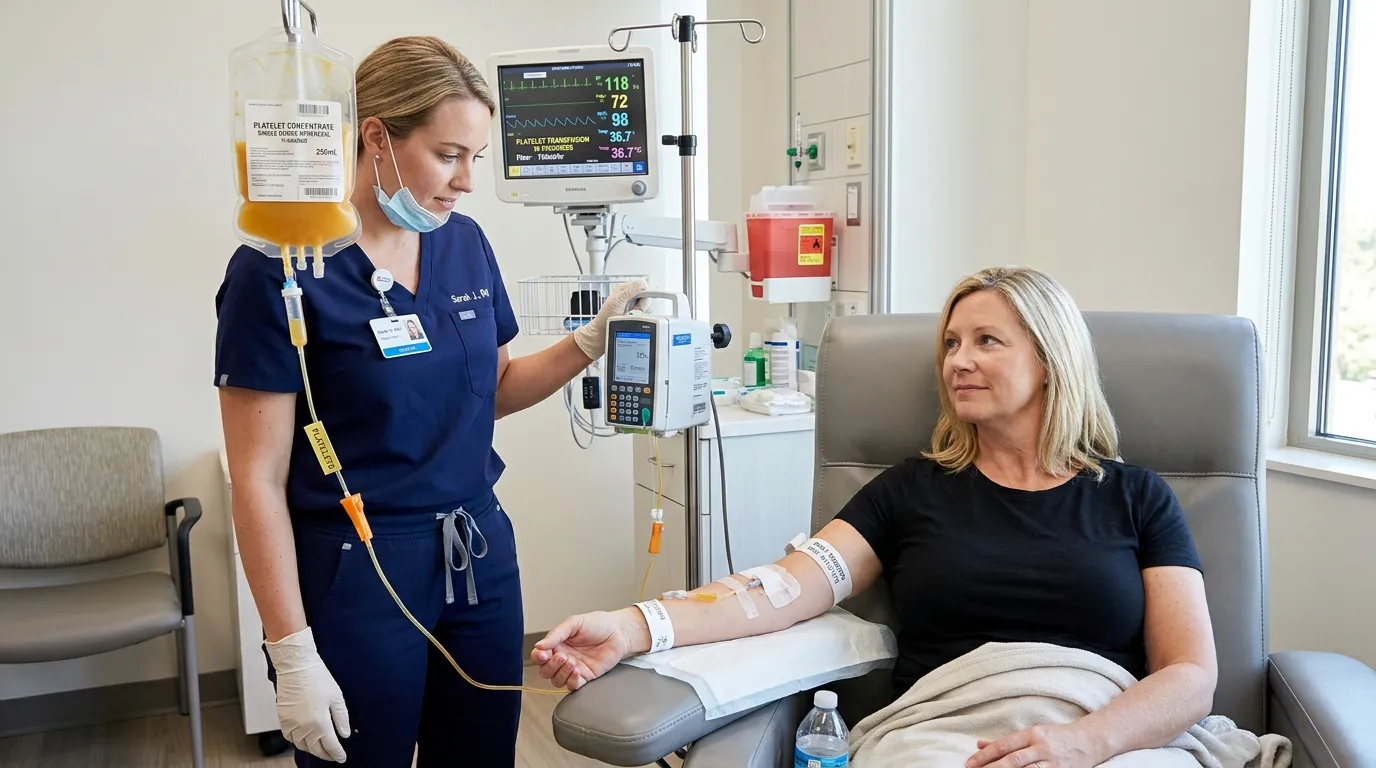
Platelet transfusion is a blood transfusion procedure used to treat or prevent dangerous bleeding in patients with low platelet counts. It involves infusing donor platelets intravenously and is critical in managing thrombocytopenia, cancer treatment, surgery, and major trauma. Serious complications are rare but require careful monitoring.
Every two minutes, someone in the world receives a blood transfusion. Among the most time-sensitive of all transfusion products, platelets have a shelf life of just five to seven days—far shorter than red blood cells. That makes the platelet donation process one of the most urgent and continuous needs in modern medicine.
This guide covers everything patients, families, and donors need to know about platelet transfusion: what it is, when it is needed, how platelets are collected and classified, what the blood transfusion procedure involves, and what risks to watch for. Whether you are preparing for a procedure, caring for someone with thrombocytopenia, or considering becoming a donor, this resource provides clear, accurate, and clinically grounded information.
Understanding platelet transfusion is also relevant in the broader context of blood diseases. Conditions like thalassemia, hemophilia, and leukemia often intersect with platelet disorders, making this knowledge valuable for patients across many diagnostic categories. For a broader overview of how different blood conditions relate to one another, our guide on different kinds of blood diseases provides helpful context.
What Are Platelets and Why Does the Body Need Them?
Platelets—also called thrombocytes—are tiny, disc-shaped cell fragments produced in the bone marrow. They are not full cells. They have no nucleus. Yet they perform one of the most vital functions in the human body: stopping bleeding.
When a blood vessel is damaged, platelets rush to the site within seconds. They stick to the injured vessel wall, clump together, and form a temporary plug. This initial platelet plug then triggers the clotting cascade, ultimately producing a stable fibrin clot that seals the wound. Without sufficient platelets, even minor injuries can become life-threatening.
A normal platelet count ranges from approximately 150,000 to 400,000 platelets per microliter of blood. When this count drops significantly—a condition called thrombocytopenia—the risk of spontaneous or uncontrolled bleeding rises sharply. Platelet transfusion addresses that deficit directly by introducing donor platelets into the patient’s bloodstream.
The first successful platelet transfusion was performed in the 1950s. Since then, advances in apheresis technology, pathogen reduction systems, and storage methods have dramatically improved both the safety and effectiveness of modern platelet transfusion therapy.
When Is Platelet Transfusion Needed? Indications and Thresholds
What Is Thrombocytopenia and What Causes It?
Thrombocytopenia is the medical term for a low platelet count. The causes are diverse, and understanding them helps clarify when platelet transfusion is appropriate.
Common causes include:
- Immune Thrombocytopenic Purpura (ITP): An autoimmune disorder where the body destroys its own platelets
- Thrombotic Thrombocytopenic Purpura (TTP): A rare condition causing abnormal clotting that consumes platelets rapidly
- Disseminated Intravascular Coagulation (DIC): A dangerous cascade of clotting and bleeding that depletes all clotting resources
- Aplastic Anemia: Bone marrow failure that reduces production of all blood cells, including platelets
- Chemotherapy-induced myelosuppression: Cancer treatments that suppress bone marrow function
- Hematologic malignancies: Leukemia and myelodysplastic syndromes that crowd out normal platelet-producing cells
Symptoms of low platelet counts include small red or purple spots on the skin (petechiae), unusual bruising, prolonged bleeding from cuts, blood in the urine or stool, and in severe cases, internal bleeding including brain hemorrhage.
What Is the Difference Between Prophylactic and Therapeutic Platelet Transfusion?
Platelet transfusion falls into two broad categories:
Prophylactic transfusion is given to prevent bleeding before it occurs. According to guidelines from the American Society of Hematology (ASH), prophylactic platelet transfusion is generally recommended when platelet counts fall below 10,000 per microliter in stable patients, or below 50,000 per microliter before invasive procedures or surgery.
Therapeutic transfusion is given in response to active bleeding. Any patient bleeding significantly—regardless of platelet count—may require an urgent platelet transfusion to help restore clotting function.
Which Medical Conditions Most Commonly Require Platelet Transfusion?
Several specific clinical scenarios drive most platelet transfusion demand:
- Cancer and chemotherapy: Chemotherapy frequently destroys bone marrow cells, temporarily halting platelet production. Patients undergoing intensive regimens often require regular prophylactic platelet transfusions throughout treatment.
- Leukemia and myelodysplastic syndromes: These hematologic malignancies disrupt normal blood cell production at the source, creating chronic transfusion dependency in many patients.
- Bone marrow transplantation: Transplant recipients experience a period of severe bone marrow suppression before the donor marrow engrafts. Platelet transfusions are essential during this window.
- Major trauma and surgery: Massive blood loss depletes platelets rapidly. Trauma and surgical patients frequently receive platelets as part of a balanced transfusion protocol.
- Liver disease and renal failure: Both conditions impair platelet production and function, increasing bleeding risk.
- Inherited platelet disorders: Conditions like Glanzmann thrombasthenia or Bernard-Soulier syndrome cause platelets to function abnormally even when counts are normal, sometimes requiring transfusion support during bleeding events.
Patients managing inherited blood conditions—including those described in our guide on hemophilia and low platelet count—may encounter platelet transfusion as part of their care.
The Platelet Donation Process: How Donors Contribute
What Are the Two Types of Platelet Donation?
Apheresis (Plateletpheresis)
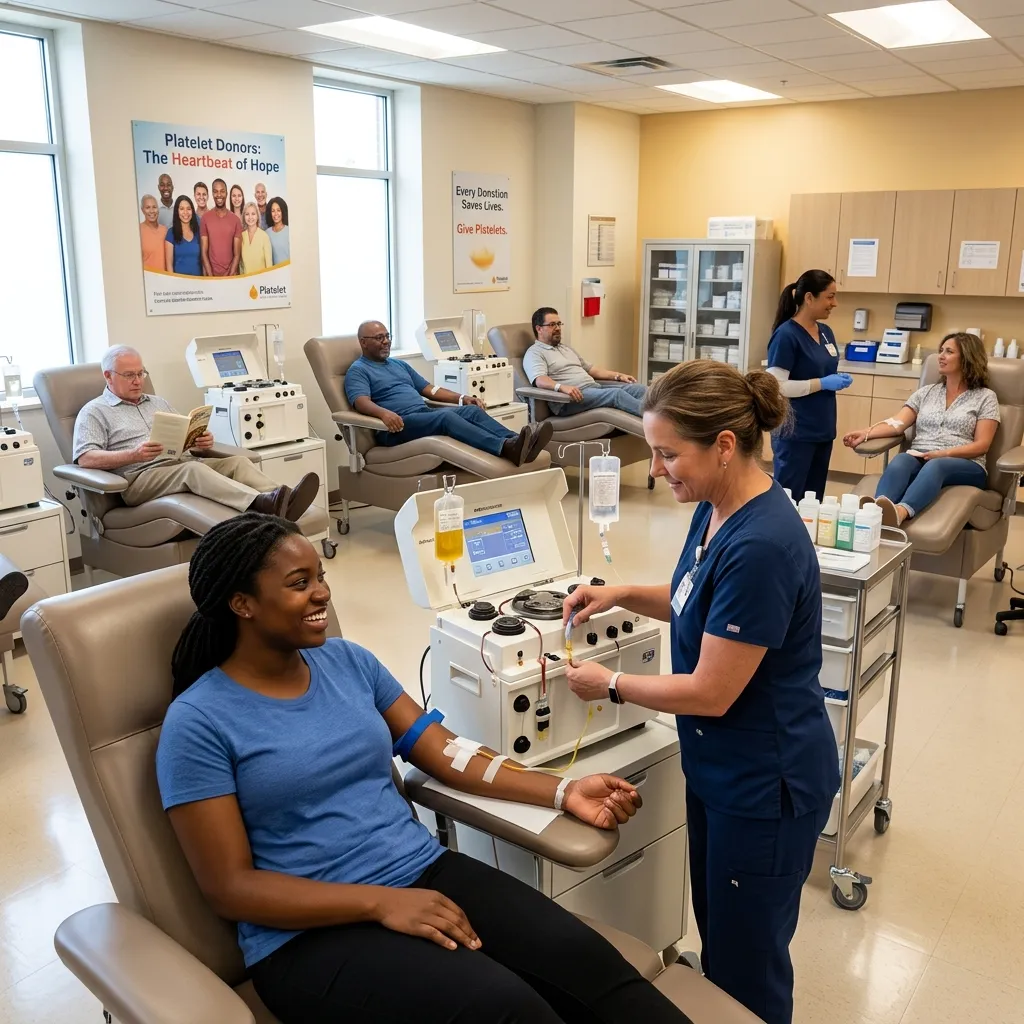
Apheresis is the preferred method of platelet collection. During this procedure, a donor is connected to a specialized machine that draws blood from one arm, separates the platelets using centrifugal force, collects them into a sterile bag, and returns the remaining blood components—red cells, plasma—back to the donor through the same or opposite arm.
A single apheresis session takes between one and two hours and yields a full therapeutic dose from a single donor. Because the platelet product comes from one person, it reduces the patient’s exposure to multiple donors, lowering the risk of adverse reactions and transfusion-transmitted infections.
Whole Blood-Derived Platelets
Some platelets are collected as part of a standard whole blood donation. The donated blood is centrifuged in a laboratory to separate its components. Multiple whole blood donations—typically four to six—are pooled together to make a single therapeutic dose. This method is less resource-intensive but exposes the recipient to more donors.
Who Is Eligible to Donate Platelets?
Donor eligibility requirements vary slightly by blood bank, but general criteria include:
- Age 17 or older (16 with parental consent in some regions)
- Minimum weight of approximately 110 pounds
- Good general health and no active illness on the day of donation
- Hemoglobin levels within an acceptable range
- No recent use of blood-thinning medications (aspirin and ibuprofen should be avoided for at least 48 hours before apheresis donation)
- No history of certain infections or travel to regions with specific disease risk
Prospective donors complete a health history questionnaire and a brief physical screening before every donation.
What Should Donors Expect During and After Donation?
During apheresis, donors typically feel minor tingling or temporary chilling. This sensation, caused by the anticoagulant citrate used in the machine, usually resolves quickly. Donors remain awake and comfortable throughout.
After donation, most people resume normal activities the same day. Staying hydrated, eating a calcium-rich snack, and avoiding strenuous exercise for a few hours helps recovery. Platelet donors can donate every seven days, up to 24 times per year—a critical advantage given how rapidly platelets expire.
Types of Platelet Products Used in Transfusion Medicine
How Do Apheresis Platelets Compare to Whole Blood-Derived Platelets?
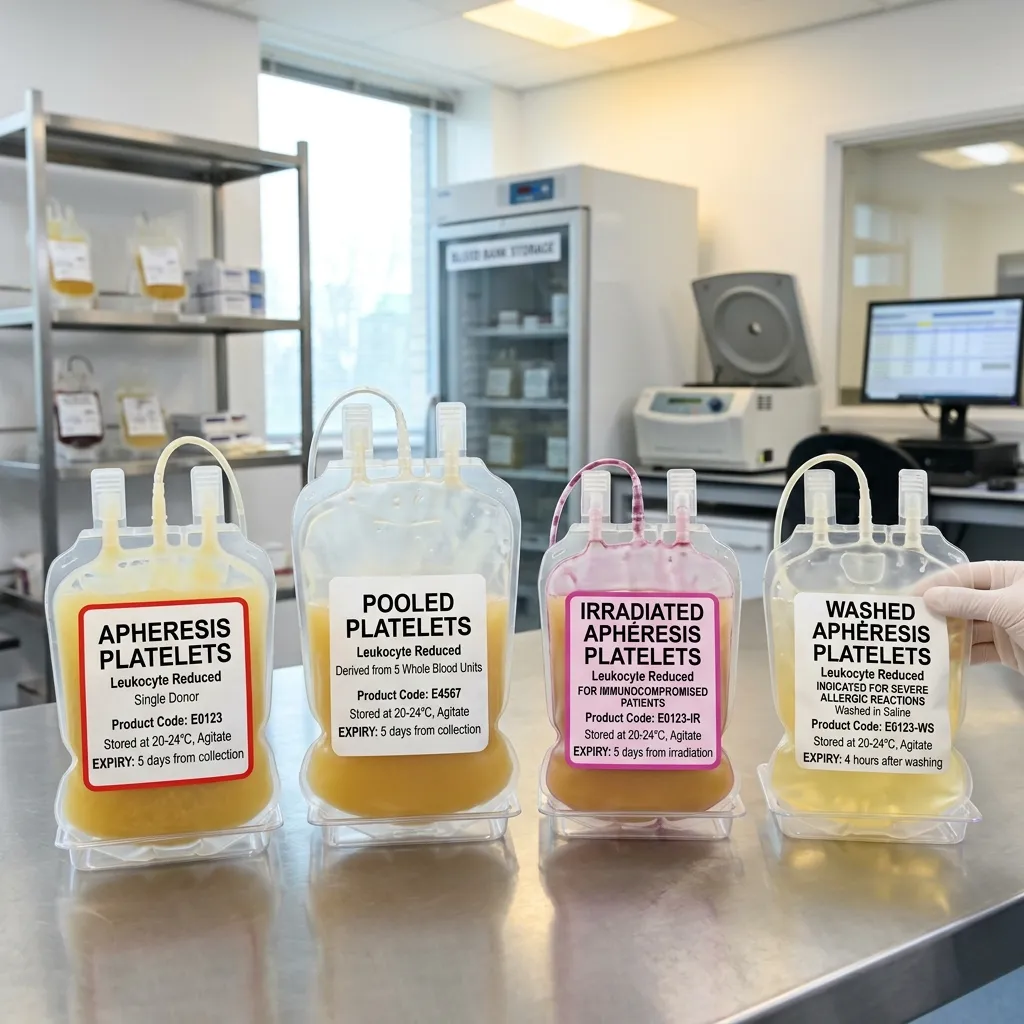
Apheresis platelets are generally preferred in clinical settings. They provide a full therapeutic dose from a single donor, reduce the recipient’s alloimmunization risk, and are available for HLA-matching in patients who have become refractory to standard transfusions. Whole blood-derived pooled platelets are still widely used and clinically effective, but they carry a slightly higher exposure to multiple donors.
What Are Pathogen-Reduced Platelets?
Pathogen reduction technology treats platelet products with photochemical methods or UV light to inactivate bacteria, viruses, and parasites before transfusion. The process significantly reduces the risk of transfusion-transmitted infections. Many blood centers in Europe and an increasing number in the United States now use pathogen-reduced platelets as a standard safety measure.
What Are HLA-Matched and CMV-Negative Platelets?
HLA-matched platelets are selected based on compatibility between donor and recipient human leukocyte antigens (HLA). They are used for patients who have become refractory—meaning their platelet counts do not increase adequately after standard transfusions, often because their immune system destroys mismatched donor platelets.
CMV-negative platelets are products screened to ensure they come from donors who have not been exposed to cytomegalovirus. They are used for immunocompromised patients—including bone marrow transplant recipients and premature infants—who face serious risk from CMV infection. Pathogen-reduced platelets are increasingly accepted as an alternative to CMV-negative products in many guidelines.
The Platelet Transfusion Procedure: What Patients Can Expect
What Happens Before a Platelet Transfusion?
Pre-transfusion assessment begins with a review of the patient’s medical history, current platelet count, and clinical indication for transfusion. Blood type and ABO compatibility are assessed. While platelet transfusion does not require the same strict crossmatching as red blood cell transfusion, ABO-compatible products are preferred to reduce the risk of minor transfusion reactions and improve platelet survival.
Platelet counts are monitored before and typically one hour after transfusion to assess the patient’s response—this post-transfusion increment helps determine whether the patient is responding adequately or becoming refractory.
How Are Platelets Administered?
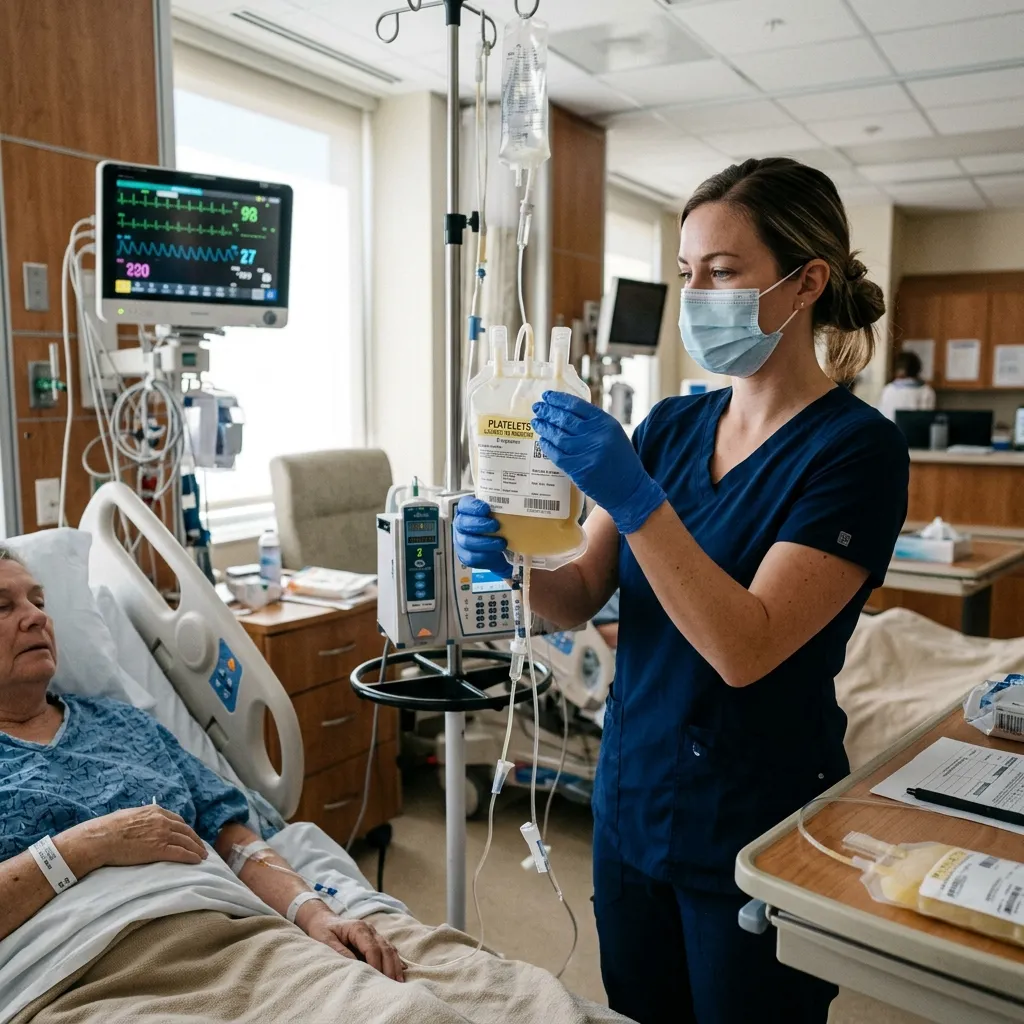
Platelets are infused intravenously through a standard blood administration set. The infusion typically takes 30 to 60 minutes. Vital signs—temperature, blood pressure, heart rate, and oxygen saturation—are monitored closely throughout the transfusion to detect any early signs of a reaction. The nursing or medical team remains present or nearby during the infusion.
What Are the Potential Side Effects and Adverse Reactions?
Most platelet transfusions are uneventful. However, several adverse reactions can occur, ranging from mild to life-threatening:
Allergic reactions are among the most common transfusion reactions. Mild forms cause hives, itching, or flushing. Severe reactions—anaphylaxis—are rare but require immediate treatment with epinephrine and antihistamines.
Febrile Non-Hemolytic Transfusion Reactions (FNHTR) involve fever and chills during or shortly after transfusion. They result from cytokines accumulating in stored blood products or from recipient antibodies reacting to donor white blood cells. Leukoreduced platelet products have significantly reduced FNHTR rates.
Transfusion-Related Acute Lung Injury (TRALI) is a serious but uncommon reaction characterized by sudden respiratory distress and low oxygen levels occurring within six hours of transfusion. It results from donor antibodies reacting with recipient lung tissue. TRALI is a leading cause of transfusion-related mortality, though improved donor screening—particularly for female donors with pregnancy history—has reduced its incidence.
Transfusion-Associated Circulatory Overload (TACO) occurs when the volume of transfused blood products overwhelms the cardiovascular system, causing fluid overload and pulmonary edema. It is more common in elderly patients or those with underlying cardiac or renal conditions. Slowing the transfusion rate and careful monitoring help prevent TACO.
Post-Transfusion Purpura (PTP) is a rare but severe delayed reaction occurring approximately 5 to 12 days post-transfusion. It involves a sudden, profound drop in the recipient’s own platelet count due to an immune reaction. Treatment typically involves intravenous immunoglobulin (IVIG).
Graft-versus-Host Disease (GvHD) is an extremely rare but often fatal complication where donor immune cells in the transfused product attack the recipient’s tissues. It occurs almost exclusively in immunocompromised patients. Irradiating platelet products before transfusion eliminates this risk.
Bacterial contamination remains one of the most significant safety concerns specific to platelets, given their storage at room temperature. Pathogen reduction technology and routine bacterial testing of platelet products have substantially lowered but not eliminated this risk. According to the American Red Cross, bacterial contamination occurs in approximately 1 in 2,000 to 3,000 platelet units tested.
Platelet Transfusion and Related Blood Conditions
Platelet transfusion does not exist in isolation. For patients managing complex inherited blood diseases, platelet thresholds and transfusion decisions interact with the broader medical picture.
Patients with thalassemia major who receive frequent red blood cell transfusions may eventually develop hypersplenism—splenic sequestration of platelets—leading to thrombocytopenia that requires management. Understanding how transfusion therapy connects to thalassemia is essential; our guide on thalassemia treatment and blood transfusions explores this relationship in depth.
Similarly, patients with hematologic malignancies like leukemia—among the different kinds of blood diseases requiring ongoing transfusion support—frequently depend on platelet transfusions throughout chemotherapy and transplantation.
Protecting Platelet Supply: Why Regular Donation Matters
 Platelets expire within five to seven days of collection. There is no stockpiling, no strategic reserve. Every day, hospitals depend on donations made within the past week. Cancer centers, trauma units, and operating rooms consume platelets continuously. A single bone marrow transplant patient may require platelet transfusions every few days during the engraftment period.
According to the American Red Cross, platelets are needed every 15 seconds in the United States. Yet eligible donors who donate by apheresis represent a small fraction of the population. Recruiting and retaining regular platelet donors is one of the most pressing challenges in blood banking today.
If you are in good health and meet eligibility criteria, speaking to your local blood center about platelet donation is one of the most direct ways to support patients in critical need. The American Red Cross blood donation portal provides location finders, eligibility screening, and appointment scheduling. For authoritative clinical guidelines on platelet transfusion thresholds, the American Society of Hematology (ASH) maintains regularly updated patient resources.
Conclusion
Platelet transfusion is a vital medical procedure used to prevent or treat serious bleeding in patients with low platelet counts. It plays an important role in managing conditions such as thrombocytopenia, cancer treatments, and surgical complications. Understanding when it is needed, how the procedure works, and its possible side effects helps patients feel more informed and prepared. With proper medical supervision, platelet transfusion is generally safe and highly effective in supporting recovery and improving patient outcomes.
Frequently Asked Questions
1. What is a platelet transfusion used to treat?
Platelet transfusion is used to treat or prevent dangerous bleeding in patients with thrombocytopenia (low platelet count) or dysfunctional platelets. Common indications include cancer chemotherapy, hematologic malignancies, bone marrow failure, major surgery, trauma, liver disease, and inherited platelet disorders.
2. What platelet count requires a transfusion?
According to American Society of Hematology guidelines, prophylactic transfusion is generally recommended when platelet counts fall below 10,000 per microliter in stable patients. Higher thresholds—typically 50,000 per microliter—apply before surgery or invasive procedures. Patients who are actively bleeding may need transfusion regardless of their count.
3. How long does a platelet transfusion take?
A platelet transfusion typically takes between 30 and 60 minutes. The exact duration depends on the volume of the product, the patient’s cardiovascular status, and whether the infusion rate needs to be adjusted due to tolerability concerns.
4. How long do transfused platelets last in the body?
Donor platelets generally survive five to ten days in a recipient’s circulation under normal conditions. In patients whose immune system is destroying platelets—as in ITP or refractoriness—the survival period may be much shorter, sometimes only hours.
5. What is the platelet donation process like for apheresis donors?
Apheresis platelet donation involves being connected to a machine that draws blood, separates platelets, collects them, and returns the remaining blood components. The session takes approximately one to two hours. Donors may experience mild tingling from the citrate anticoagulant used in the machine. Most donors resume normal activities the same day.
6. What is the difference between apheresis platelets and pooled platelets?
Apheresis platelets come from a single donor, providing a full therapeutic dose while limiting the recipient’s exposure to multiple donors. Pooled platelets are derived from four to six whole blood donations combined in a laboratory. Both are clinically effective, but single-donor apheresis products are preferred for immunocompromised patients and those at high refractoriness risk.
7. What are the most common side effects of platelet transfusion?
The most common side effects are mild allergic reactions (itching, hives) and febrile non-hemolytic reactions (fever, chills). More serious reactions—including TRALI, TACO, and post-transfusion purpura—are rare but require immediate medical attention. Bacterial contamination, though uncommon, is the most significant platelet-specific safety concern.
8. Can a patient refuse a platelet transfusion?
Yes. Competent adult patients have the legal and ethical right to refuse any medical treatment, including transfusion. Clinicians are required to inform patients of the risks of refusal. In cases where refusal conflicts with clinical urgency, particularly in emergencies involving minors, legal and ethical protocols vary by jurisdiction.
9. What is post-transfusion purpura?
Post-transfusion purpura is a rare delayed reaction where the recipient’s own platelet count drops severely five to twelve days after transfusion. It occurs due to an immune response in which the patient develops antibodies that destroy their own platelets. Intravenous immunoglobulin (IVIG) is the primary treatment.
10. Are pathogen-reduced platelets safer than standard platelets?
Pathogen-reduced platelets undergo a treatment process that inactivates bacteria, viruses, and parasites, providing an additional layer of safety compared to standard platelet products. Clinical evidence supports their use as a means to reduce transfusion-transmitted infection risk, and they are increasingly adopted in blood banking programs globally.
