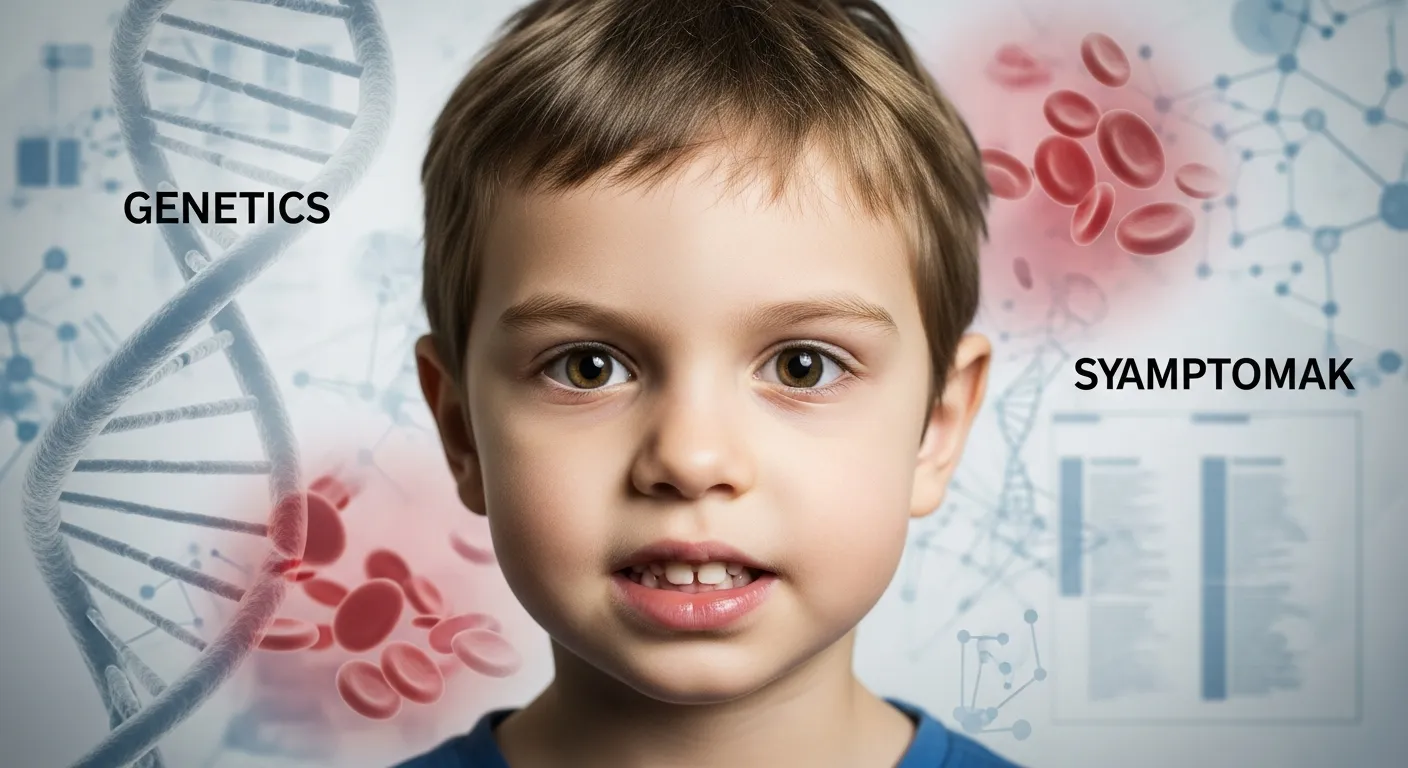
Thalassemia chipmunk face is a facial appearance caused by bone marrow expansion in severe thalassemia patients. It often leads to prominent cheekbones, protruding upper jaw, and widened facial bones. Early diagnosis, regular blood transfusions, and proper treatment can help prevent or reduce these changes.
Introduction to Thalassemia
Thalassemia is a genetic blood disorder that affects the body’s ability to produce normal hemoglobin. Hemoglobin is the vital protein in red blood cells responsible for carrying oxygen from the lungs to the rest of the body. When hemoglobin production is impaired, red blood cells are destroyed at an accelerated rate, leading to chronic anemia. This inherited condition can range from mild to severe, depending on the type and genetic mutations involved. Understanding thalassemia symptoms, causes, treatment, and thalassemia chipmunk face is essential for early diagnosis and long-term management.
Definition and Types of Thalassemia
There are two primary types of thalassemia, classified based on which part of the hemoglobin molecule is affected: alpha-thalassemia and beta-thalassemia. Hemoglobin is composed of two alpha protein chains and two beta protein chains. If a genetic mutation affects the alpha chains, the patient has alpha-thalassemia. If the mutation occurs in the beta chains, it results in beta-thalassemia. The severity of the condition depends largely on how many genes are mutated. Some individuals may only carry the trait, while others develop severe anemia requiring lifelong care. Severe untreated cases may develop thalassemia chipmunk face, a facial bone deformity caused by bone marrow expansion.
Global Prevalence and Impact
Thalassemia is one of the most common inherited genetic disorders in the world. It is particularly prevalent among people of Mediterranean, Middle Eastern, South Asian, and Southeast Asian descent. Migration and globalization have spread the genetic traits worldwide, making it a critical public health issue that requires awareness, screening programs, and dedicated medical resources. Increased awareness of thalassemia prevention, thalassemia screening, genetic counseling, and thalassemia chipmunk face treatment can help reduce severe complications globally.
Global Prevalence and Impact
Thalassemia is one of the most common inherited genetic disorders in the world. It is particularly prevalent among people of Mediterranean, Middle Eastern, South Asian, and Southeast Asian descent. To learn more about the global health impact, you can review the World Health Organization (WHO) information on Thalassemia. Migration and globalization have spread the genetic traits worldwide, making it a critical public health issue that requires awareness and dedicated medical resources.
Genetic Basis of Thalassemia
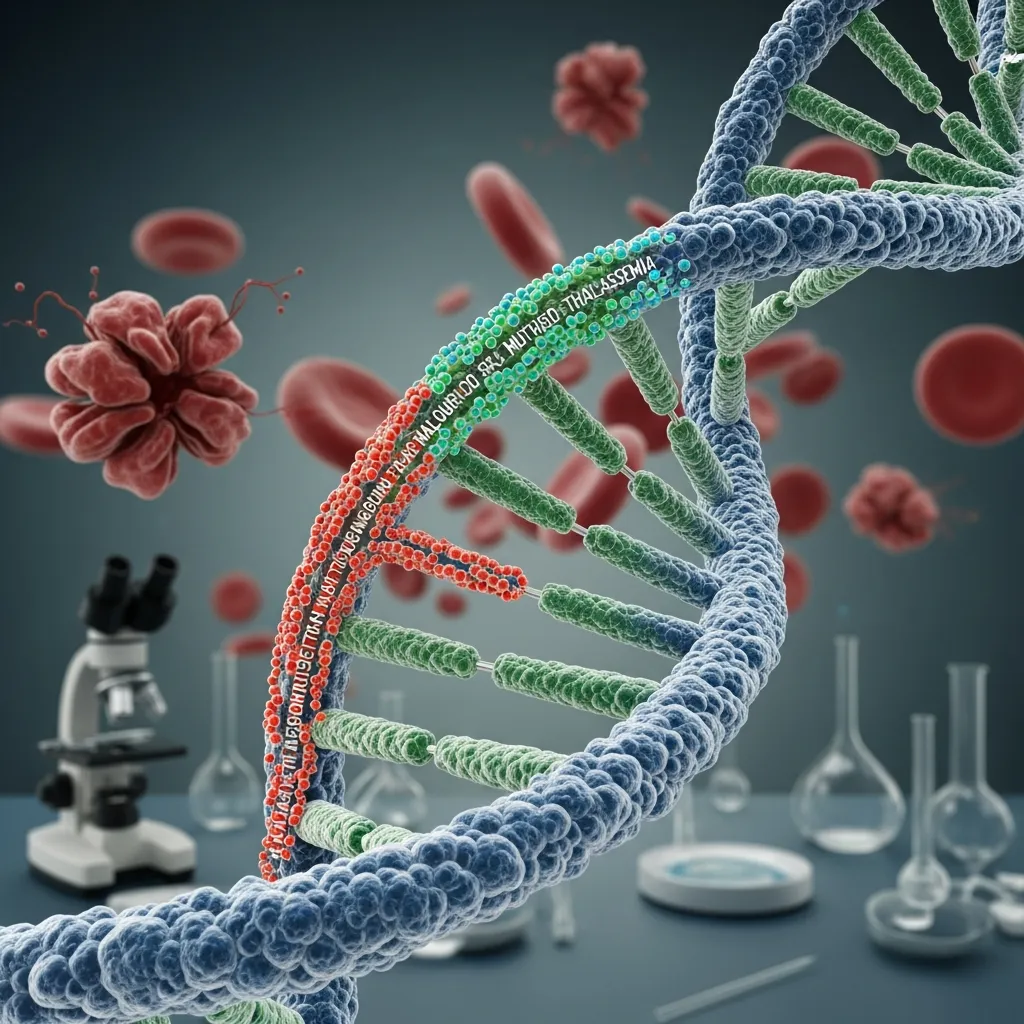 Understanding how thalassemia develops requires a closer look at human genetics and the structural makeup of human blood. Thalassemia is an inherited disorder passed from parents to children through mutated genes that affect hemoglobin production. These genetic changes reduce the body’s ability to make healthy red blood cells, leading to anemia and other complications. Knowing the genetic basis of thalassemia helps families understand risks, inheritance patterns, early screening, and possible complications such as thalassemia chipmunk face.
Hemoglobin Structure and Function
A healthy hemoglobin molecule is a complex structure requiring perfectly balanced alpha and beta globin chains. These chains fold together to hold iron molecules, which bind to oxygen. Without the correct balance of these protein chains, the red blood cells cannot properly mature, resulting in a shortened lifespan and inefficient oxygen delivery. As a result, patients may experience fatigue, weakness, pale skin, and chronic anemia. Severe long-term anemia may also contribute to bone marrow expansion and facial changes known as thalassemia chipmunk face.
Mutations Causing Alpha and Beta Thalassemia
Alpha-thalassemia involves four genes (two inherited from each parent). The severity of alpha-thalassemia ranges from being a silent carrier (one mutated gene) to alpha-thalassemia major (four mutated genes), which is often fatal before or shortly after birth. Beta-thalassemia involves two genes (one from each parent). Inheriting one mutated gene results in beta-thalassemia minor (mild anemia), while inheriting two mutated genes leads to beta-thalassemia major, a severe condition requiring lifelong medical intervention such as regular blood transfusions and iron chelation therapy.
Why Genetic Testing Matters
Genetic testing and carrier screening are important tools for identifying thalassemia traits before marriage or pregnancy. Early diagnosis allows families to make informed decisions and seek medical guidance. In high-risk regions, screening programs can reduce severe cases and improve disease management. Understanding thalassemia inheritance, beta thalassemia major, alpha thalassemia symptoms, and thalassemia chipmunk face treatment is essential for long-term health planning.
Inheritance Patterns
Thalassemia follows an autosomal recessive inheritance pattern. This means that a child must inherit the defective gene from both parents to develop the severe form of the disease. If two carriers of the thalassemia trait have a child, there is a 25% chance the child will be born with thalassemia major. Prospective parents can utilize Genetic Testing Services to understand their risk and make informed family planning decisions.
Clinical Manifestations of Thalassemia
The symptoms of thalassemia can range from mild fatigue to severe, life-threatening complications, depending on the genetic severity of the disorder. Some people with thalassemia trait may have few or no symptoms, while patients with severe forms often require lifelong medical care. Recognizing early warning signs is important for timely treatment and preventing complications such as thalassemia chipmunk face, organ damage, and growth problems.
Anemia and Its Complications
The hallmark of thalassemia is profound anemia. Because the body lacks sufficient oxygen-carrying red blood cells, patients experience chronic fatigue, weakness, pale skin, shortness of breath, dizziness, and poor exercise tolerance. Severe anemia puts immense stress on the heart and other vital organs, requiring immediate and ongoing medical management. If left untreated, chronic anemia may lead to heart enlargement, delayed growth, and reduced quality of life.
Bone Marrow Expansion and Bone Changes
To combat the severe shortage of red blood cells, the body attempts to ramp up red blood cell production. The bone marrow—the spongy tissue inside bones where blood cells are made—expands dramatically to try and meet the demand. This overactivity weakens bones, changes their shape, and increases the risk of fractures. Long-term marrow expansion is a major reason why untreated patients develop skeletal abnormalities.
Facial Bone Changes: The “Chipmunk Face”

This extreme bone marrow expansion forces the bones to widen and thin out. In the skull and face, this leads to distinct skeletal deformities. The expansion of the facial bones, particularly the overgrowth of the upper jaw (maxilla) and the prominence of the cheekbones, results in a characteristic appearance clinically referred to as the thalassemia chipmunk face. This symptom is most commonly seen in untreated or undertreated beta-thalassemia major. Early blood transfusion therapy and proper management can significantly reduce the risk of thalassemia chipmunk face.
Other Skeletal Deformities
The bone changes are not limited to the face. The expansion of bone marrow causes the long bones of the arms and legs to become brittle and prone to fractures. The skull may also thicken, taking on a hair-on-end appearance on X-rays. Patients may develop spinal deformities, osteoporosis, joint pain, and reduced mobility over time.
Hepatosplenomegaly
The spleen is responsible for filtering out old and damaged red blood cells. In thalassemia, the high rate of red blood cell destruction causes the spleen to work overtime, leading to massive enlargement (splenomegaly). The liver may also become enlarged (hepatomegaly) as it tries to assist in producing blood cells outside the bone marrow. Enlarged organs may cause abdominal discomfort, poor appetite, and increased transfusion needs.
Iron Overload and Its Systemic Effects
Patients with severe thalassemia require frequent blood transfusions to survive. However, the human body does not have a natural mechanism for excreting excess iron. Over time, the iron from the transfused blood builds up in vital organs, including the heart, liver, and endocrine glands. This iron toxicity is one of the leading causes of morbidity and mortality in thalassemia patients. Iron overload can lead to heart disease, liver cirrhosis, diabetes, delayed puberty, and hormonal imbalance, making iron chelation therapy essential.
Importance of Early Treatment
Modern treatment options such as regular transfusions, iron chelation therapy, folic acid support, and bone marrow transplant can greatly improve life expectancy. Early diagnosis helps prevent severe complications including thalassemia chipmunk face, growth delay, and organ failure. Awareness of thalassemia symptoms and treatment remains key to better patient outcomes.
Growth and Developmental Delays
Children with poorly managed thalassemia often experience stunted growth and delayed puberty. The combination of chronic anemia, poor oxygen delivery to tissues, nutritional deficiencies, and endocrine dysfunction caused by iron overload significantly impairs normal physical development. Many children may have shorter height, lower body weight, delayed bone age, and slower sexual maturation compared with their peers. Hormonal problems affecting the thyroid, pituitary gland, and reproductive organs can further worsen growth delays. Early diagnosis, regular blood transfusions, balanced nutrition, and iron chelation therapy are essential to support healthy growth and reduce long-term complications such as thalassemia chipmunk face and skeletal deformities.
Cardiac Complications
The heart must pump harder to deliver oxygenated blood throughout the body when a person is severely anemic. This constant strain can enlarge the heart and eventually lead to heart failure over time. Furthermore, iron overload directly damages the heart muscle, leading to arrhythmias, cardiomyopathy, chest discomfort, and severe cardiac disease. Cardiac complications remain one of the most serious causes of illness and death in severe thalassemia patients. Routine heart monitoring, MRI assessment for iron levels, and proper iron chelation treatment are critical for preventing life-threatening outcomes. Effective thalassemia treatment not only protects the heart but also improves energy levels, growth, and overall quality of life.
Endocrine Dysfunction
Iron accumulation in the endocrine glands can disrupt hormone production, leading to complications such as diabetes, hypothyroidism, and hypoparathyroidism. For a broader overview of how blood conditions affect the entire body, explore our resources on Understanding Blood Disorders.
Diagnosis of Thalassemia
Early diagnosis is crucial for preventing severe complications and ensuring a high quality of life for the patient. Detecting thalassemia at an early stage allows doctors to begin treatment before serious problems such as severe anemia, organ damage, delayed growth, and thalassemia chipmunk face develop. Proper diagnosis also helps families understand inheritance risks and future pregnancy planning.
Complete Blood Count (CBC) and Peripheral Smear
The first step in diagnosing thalassemia is a Complete Blood Count (CBC), which measures the number of red blood cells and their hemoglobin concentration. A peripheral blood smear is also examined under a microscope, which typically reveals small, pale, and abnormally shaped red blood cells in thalassemia patients. These findings often suggest microcytic anemia and help doctors distinguish thalassemia from other blood disorders such as iron deficiency anemia.
Hemoglobin Electrophoresis and HPLC
To confirm the diagnosis and determine the specific type of thalassemia, doctors use hemoglobin electrophoresis or High-Performance Liquid Chromatography (HPLC). These tests separate the different types of hemoglobin in the blood, allowing physicians to identify abnormal levels or the presence of defective hemoglobin chains. They are especially useful for diagnosing beta thalassemia trait, beta thalassemia major, and related hemoglobin disorders.
Genetic Testing
DNA analysis is the most accurate way to diagnose thalassemia. It identifies the exact genetic mutations present, confirming the specific subtype and severity. This information is vital for determining the appropriate treatment protocol. Genetic testing is also valuable for carrier screening, family counseling, and identifying couples at risk of having children with severe thalassemia.
Prenatal Diagnosis
For families with a known history of the disorder, prenatal testing can be performed during pregnancy. Procedures such as chorionic villus sampling (CVS) or amniocentesis allow doctors to test the fetus’s DNA and determine if the baby will be born with thalassemia. Early prenatal diagnosis gives parents time to receive counseling and make informed medical decisions.
Why Early Detection Matters
Timely diagnosis can significantly improve long-term outcomes. With early treatment, patients can manage anemia, avoid severe bone deformities, reduce the risk of thalassemia chipmunk face, and maintain better growth and organ health. Awareness of thalassemia symptoms, thalassemia screening, and genetic testing plays a major role in reducing complications worldwide.
Management of Thalassemia
While thalassemia is a chronic, lifelong condition, medical advancements have significantly improved survival rates and patient outcomes.
Regular Blood Transfusions
The cornerstone of treatment for thalassemia major is regular blood transfusions, typically required every two to four weeks.
Types of Blood Products
Patients receive packed red blood cells that have been specially filtered to remove white blood cells (leukoreduced) to minimize allergic reactions.
Transfusion Protocols
Consistent transfusion therapy suppresses the patient’s own defective bone marrow production, preventing bone deformities like the thalassemia chipmunk face and allowing for normal childhood growth.
Complications of Transfusions
While life-saving, frequent transfusions carry risks. Aside from iron overload, patients may develop alloimmunization, where the immune system creates antibodies against the transfused blood, making it difficult to find compatible donor blood in the future.
Iron Chelation Therapy
To combat the deadly accumulation of iron from repeated transfusions, patients must undergo iron chelation therapy.
Oral Chelators
Medications such as deferasirox and deferiprone can be taken orally to bind with excess iron and remove it from the body through urine or stool.
Parenteral Chelators
Deferoxamine is a liquid medication administered continuously through a subcutaneous pump, usually overnight. While highly effective, it can be cumbersome and affect the patient’s quality of life.
Monitoring Chelation Therapy
Doctors closely monitor iron levels using MRI scans of the liver and heart to adjust medication dosages and prevent organ damage.
Splenectomy
If the spleen becomes massively enlarged and begins destroying healthy red blood cells too rapidly, a surgical removal of the spleen (splenectomy) may be necessary. This helps reduce the frequency of blood transfusions, though it increases the patient’s risk of severe infections.
Bone Marrow Transplantation
A bone marrow or stem cell transplant is currently the only definitive cure for thalassemia.
Indications and Challenges
This procedure replaces the patient’s defective bone marrow with healthy marrow from a compatible donor, usually a sibling. Finding a perfect match is difficult, and the procedure carries significant risks.
Outcomes and Complications
When successful, the patient will begin producing healthy red blood cells and no longer require transfusions. However, complications such as graft-versus-host disease (GVHD) can be severe.
Emerging Therapies
Modern science is constantly pursuing new avenues for treating genetic disorders. You can find more information about these cutting-edge procedures by checking our guide on Advanced Medical Treatments.
Gene Therapy
Gene therapy involves extracting the patient’s own stem cells, inserting a functional copy of the defective hemoglobin gene in a laboratory, and reinfusing the cells back into the body.
CRISPR-Cas9 Gene Editing
This revolutionary technology allows scientists to directly edit the patient’s DNA, correcting the genetic mutation that causes thalassemia or boosting the production of fetal hemoglobin to compensate for the defective adult hemoglobin.
Pharmacological Approaches
New medications like Luspatercept promote the maturation of red blood cells, helping to reduce the overall burden and frequency of blood transfusions required by the patient.
Living with Thalassemia: Challenges and Support
Living with a chronic genetic illness requires tremendous resilience and a strong support network.
Psychological and Social Impact
The burden of frequent hospital visits, nightly chelation therapy, and the physical manifestations of the disease can cause significant anxiety and depression. Patients need strong emotional support to navigate the complex feelings associated with chronic illness.
Educational and Vocational Considerations
Children with thalassemia may miss school due to medical appointments or fatigue. Schools and employers must provide necessary accommodations, allowing patients to pursue their educational and career goals without discrimination.
Role of Patient Advocacy Groups
Global networks, such as the Thalassemia International Federation (TIF), play a vital role in providing education, advocating for better healthcare policies, and connecting patients with shared experiences. Accessing local Patient Support Resources is also essential for community building.
Importance of Multidisciplinary Care
Treating thalassemia requires a team of specialists, including hematologists, cardiologists, endocrinologists, and psychologists, working together to manage the systemic complications of the disorder comprehensively.
Prevention and Public Health Strategies
Since thalassemia is inherited, public health initiatives focus heavily on carrier identification and education.
Carrier Screening Programs
Many countries with high prevalence rates have implemented national screening programs to identify carriers of the thalassemia trait through a simple blood test.
Genetic Counseling
When carriers are identified, genetic counselors provide them with detailed information about the risks of passing the disorder to their children, helping them make informed reproductive choices.
Preimplantation Genetic Diagnosis (PGD)
For couples who are both carriers, in vitro fertilization (IVF) combined with PGD allows doctors to screen embryos for the thalassemia mutation before implantation, ensuring the child is born without the severe form of the disease.
The Future of Thalassemia Care

The landscape of thalassemia treatment has transformed remarkably over the past few decades. A diagnosis that once carried a grim prognosis in early childhood is now a manageable chronic condition, with many patients surviving well into adulthood. Improved transfusion protocols, advanced iron chelation therapies, and better monitoring systems have significantly increased life expectancy and quality of life for people living with thalassemia.
Summary of Key Points
Thalassemia is a complex genetic disorder that disrupts hemoglobin production. Without proper treatment, severe anemia forces the bone marrow to over-expand, leading to distinct physical changes like <a href=”https://thalassemiaawarenet.com/thalassemia-chipmunk-face/”>thalassemia chipmunk face</a> and widespread complications due to iron overload. Regular blood transfusions, iron chelation therapy, nutritional support, and modern medical interventions remain the backbone of patient survival. Early diagnosis and continuous care are essential to prevent organ damage, growth delay, and long-term complications.
Future Directions in Thalassemia Research
The future holds immense promise for thalassemia patients. Advances in gene therapy, CRISPR gene-editing technology, and stem cell research are bringing the possibility of a permanent cure closer than ever before. Clinical trials are already showing encouraging results, where defective genes responsible for thalassemia can potentially be corrected at the DNA level. Researchers are also working on safer and more effective iron chelators, improved transfusion techniques, and personalized treatment approaches to reduce side effects and improve long-term outcomes. These innovations could eventually eliminate severe complications such as thalassemia chipmunk face and organ failure.
Call to Action for Awareness and Support
Awareness is the first step toward better health outcomes. By promoting genetic screening, supporting early diagnosis, and participating in voluntary blood donation drives, communities can significantly improve the lives of those affected by this disorder. Education about thalassemia symptoms, prevention strategies, and treatment options helps reduce stigma and delays in diagnosis. Supporting global and local health organizations, sharing accurate information, and encouraging carrier screening before marriage or pregnancy can help prevent new severe cases. Together, society can move toward a future where every thalassemia patient receives timely, effective, and affordable care.
FAQs
1. What is thalassemia?
Thalassemia is a genetic blood disorder that reduces hemoglobin production, causing chronic anemia.
2. What causes thalassemia?
It is caused by inherited gene mutations passed from parents to children.
3. What are the main types of thalassemia?
The two main types are alpha-thalassemia and beta-thalassemia.
4. What is thalassemia chipmunk face?
It is a facial bone deformity caused by bone marrow expansion in severe untreated cases.
5. Is thalassemia contagious?
No, it is not contagious because it is a genetic condition.
6.How is thalassemia diagnosed?
It is diagnosed through blood tests like CBC, HPLC, hemoglobin electrophoresis, and <a href=”https://thalassemiaawarenet.com/thalassemia-diagnosis-tests/”>thalassemia diagnosis tests</a>, along with genetic testing.
7. Can thalassemia be cured?
A stem cell or bone marrow transplant may cure some cases, but it is not always possible.
8. What is the treatment for thalassemia?
Treatment includes blood transfusions, iron chelation therapy, and regular monitoring.
9. Can people with thalassemia live a normal life?
Yes, with proper care and treatment, many patients can live healthy lives.
10. Can thalassemia be prevented?
It cannot be fully prevented, but genetic screening and counseling can reduce risk.
Conclusion
Thalassemia is a serious inherited blood disorder that can cause chronic anemia and multiple complications if not managed properly. Severe cases may lead to growth problems, organ damage, and thalassemia chipmunk face. However, early diagnosis, regular treatment, and proper medical care can greatly improve quality of life. Awareness and genetic screening are key to reducing the impact of this disease in future generations.