


Alpha Thalassemia Carrier Pregnancy refers to a condition where a pregnant woman carries the alpha thalassemia gene. In most cases, carriers do not show severe symptoms, but there is a risk of passing the gene to the baby. If both parents are carriers, the baby may develop more serious forms of alpha thalassemia. Proper genetic screening, counseling, and prenatal care are important to understand risks and ensure a healthy pregnancy outcome.
The Genetics of Alpha Thalassemia
To understand this condition, you first need to look at how your blood works. Your red blood cells rely on hemoglobin to pick up oxygen from your lungs and deliver it throughout your body.
Hemoglobin and Its Components
A normal hemoglobin molecule is made of two main building blocks: alpha-globin proteins and beta-globin proteins. The body needs a perfect balance of these proteins to function properly. If there is a disruption in the alpha-globin proteins, the red blood cells become smaller, paler, and less efficient at carrying oxygen. You can learn more about how these structures differ by reading about the types of thalassemia: alpha vs beta.
How Alpha Thalassemia is Inherited
Alpha thalassemia is an inherited genetic condition. The production of alpha-globin relies on four specific genes—two inherited from your mother and two from your father. The severity of the condition depends entirely on how many of these four genes are missing or mutated. You cannot catch this disorder; it is passed down directly through family lines.
Different Types of Alpha Thalassemia
Because four genes are involved, there are several different levels of this condition:
- Silent Carrier: One gene is missing or mutated. The person has no symptoms and normal blood test results.
- Alpha Thalassemia Trait (Carrier): Two genes are missing or mutated. The person might have mild anemia, but they are generally healthy.
- Hemoglobin H Disease: Three genes are missing. This causes moderate to severe anemia and requires medical care.
- Alpha Thalassemia Major: All four genes are missing. This is the most severe form and usually causes life-threatening complications before or shortly after birth.
Being an Alpha Thalassemia Carrier
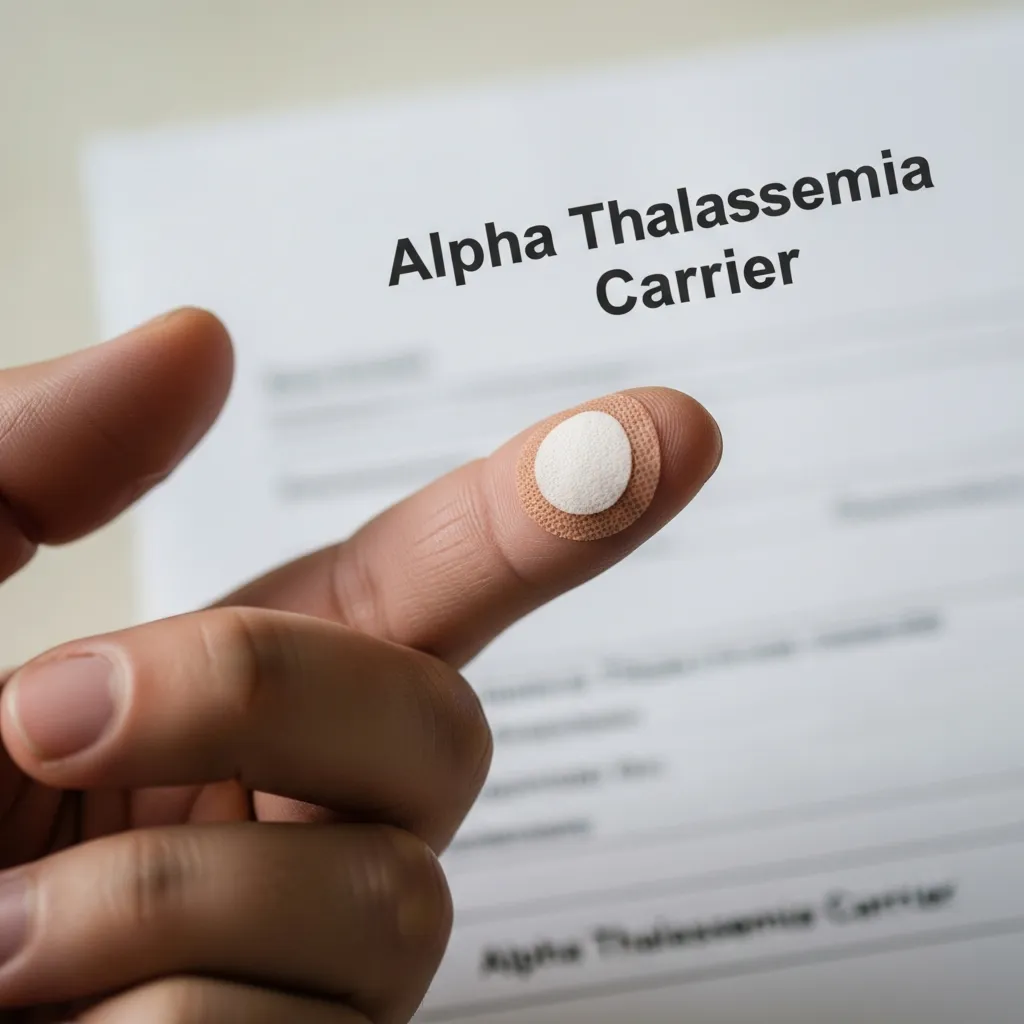 Finding out you are a carrier often happens by chance. Many people live their entire lives without realizing they have a genetic variation in their blood.
What it Means to be a Carrier
When you are a carrier, your body functions normally. You have two healthy alpha-globin genes, which produce enough protein to keep your red blood cells working effectively. Being a carrier does not mean you have a disease. It simply means you have the genetic potential to pass the trait on to your children.
Symptoms and Health Implications for Carriers
Most carriers experience absolutely no symptoms. Sometimes, a routine blood test might show slightly smaller red blood cells or a mild drop in hemoglobin levels. Doctors might initially mistake this for iron deficiency. However, unlike iron deficiency, taking iron supplements will not change these blood levels. Your overall health and life expectancy remain completely normal.
The Importance of Genetic Testing and Counseling
If a blood test suggests you might be a carrier, confirming it with DNA testing is crucial. Understanding the genetic causes of thalassemia helps you accurately assess your family planning options. Genetic counselors can interpret these test results and explain the statistical probability of passing the trait to your children.
Alpha Thalassemia Carrier Pregnancy: What to Expect
An alpha thalassemia carrier pregnancy requires careful planning and communication with your healthcare team. The steps you take before and during pregnancy can significantly impact your family’s health.
Pre-conception Counseling and Planning
If you know you are a carrier before getting pregnant, scheduling a pre-conception appointment is highly recommended. A genetic counselor will review your medical history and recommend testing for your partner. This step provides a clear picture of any potential risks before conception occurs.
Genetic Testing for Both Partners
Because the severity of the condition depends on the genes from both parents, partner testing is the most important factor in an alpha thalassemia carrier pregnancy. If your partner has four normal alpha-globin genes, your baby will not develop severe thalassemia. At most, the baby will be a healthy carrier like you. However, if both you and your partner are carriers, the medical risks increase significantly.
Risks to the Baby Based on Parental Carrier Status
When both parents are carriers (missing two genes each), there is a 25 percent chance with every pregnancy that the baby will inherit zero working alpha-globin genes. There is also a 25 percent chance the baby will inherit one working gene, a 50 percent chance they will be a carrier, and a 25 percent chance they will inherit all four normal genes.
Alpha Thalassemia Major (Hb Bart’s Hydrops Fetalis)
If the baby inherits no working alpha-globin genes, they develop alpha thalassemia major, also known as Hb Bart’s hydrops fetalis. This severe condition prevents the baby from producing functional hemoglobin. It leads to massive fluid buildup, heart failure, and severe anemia in the womb.
Hemoglobin H Disease
If the baby inherits only one working alpha-globin gene (meaning three are missing), they will be born with Hemoglobin H disease. This condition causes moderate to severe anemia, bone changes, and an enlarged spleen. These children will need ongoing medical monitoring and potential blood transfusions throughout their lives.
Diagnosis During Pregnancy
 If both parents are confirmed carriers, doctors will recommend specific thalassemia diagnosis tests during the pregnancy to check the baby’s genetic status.
Non-invasive Prenatal Screening (NIPS)
Medical science has made massive leaps in prenatal care. Non-invasive prenatal screening involves drawing blood from the mother’s arm. This blood contains small fragments of the baby’s DNA. Doctors can analyze this DNA to detect genetic abnormalities without posing any risk to the fetus. While NIPS is highly accurate, it is usually considered a screening tool rather than a definitive diagnostic test.
Chorionic Villus Sampling (CVS)
For a definitive diagnosis early in the pregnancy, doctors may offer Chorionic Villus Sampling. Typically performed between the 10th and 13th weeks, this procedure involves taking a small sample of tissue from the placenta. The placenta contains the same genetic material as the baby. This test can confirm exactly how many healthy alpha-globin genes the baby has.
Amniocentesis
Amniocentesis is another diagnostic option, usually performed between the 15th and 20th weeks of pregnancy. A doctor uses a fine needle to collect a small amount of amniotic fluid from the sac surrounding the baby. This fluid contains fetal cells, which are then analyzed for genetic mutations.
Managing an Alpha Thalassemia Carrier Pregnancy
When prenatal testing reveals that the fetus has a severe form of thalassemia, the medical approach shifts to highly specialized maternal-fetal medicine.
Monitoring Fetal Health
Doctors use advanced ultrasound imaging to monitor the baby closely. They look for signs of fetal anemia, such as changes in blood flow through the baby’s brain. If they detect fluid buildup or an enlarged heart, it indicates the baby is struggling to pump oxygen. In specific cases of severe fetal anemia, doctors may perform intrauterine blood transfusions to deliver healthy red blood cells directly to the baby before birth.
Support and Resources for Expectant Parents
Receiving a complex prenatal diagnosis is emotionally taxing. Hospitals typically provide dedicated social workers and care coordinators. Expectant parents should also explore external chronic illness support and resources to connect with advocacy groups and other families who have faced similar prenatal journeys.
Ethical Considerations and Decision-Making
A severe genetic diagnosis presents families with incredibly difficult decisions. Some families may opt for intensive in-utero therapies, while others may choose palliative care or pregnancy termination based on the baby’s prognosis. Genetic counselors and medical ethicists help families navigate these personal, deeply emotional choices with compassion and clear medical facts.
Life with Alpha Thalassemia Major (Hb Bart’s Hydrops Fetalis)
Historically, Hb Bart’s hydrops fetalis was almost universally fatal. Today, aggressive medical interventions have created new possibilities, though the path remains highly complex.
Prognosis and Challenges
Babies born with alpha thalassemia major face severe health challenges from their first breath. They require immediate respiratory support and intensive care. The long-term prognosis depends heavily on how early in the pregnancy they received blood transfusions and the overall development of their internal organs.
Medical Interventions and Care
Survival requires lifelong, frequent blood transfusions. These children also need careful monitoring for iron overload, a dangerous complication caused by repeated transfusions. In some cases, a stem cell transplant or bone marrow transplant from a matched donor can offer a potential cure, replacing the defective bone marrow with healthy blood-forming cells. You can read more about stem cell advances on the National Institutes of Health (NIH) website.
Emotional and Psychological Support for Families
Raising a child with a severe, life-threatening chronic illness reshapes family dynamics. Parents must manage frequent hospital visits, complex medical routines, and high levels of stress. Professional counseling and peer support groups provide essential coping strategies for families navigating this challenging reality.
Life with Hemoglobin H Disease
Hemoglobin H disease is less severe than alpha thalassemia major but still requires dedicated medical attention.
Symptoms and Severity
Children with Hemoglobin H disease typically experience moderate anemia. They might appear pale, tire easily, and have a slightly yellow tint to their skin or eyes (jaundice). The severity can vary; some children experience very few daily symptoms, while others struggle with significant fatigue and bone pain.
Treatment and Management
Many people with Hemoglobin H disease do not require regular blood transfusions. However, they may need transfusions during times of extreme stress, such as during a severe infection or a high fever. Doctors recommend taking folic acid supplements to help the body produce new red blood cells. Patients must also avoid certain oxidative medications that can trigger the rapid breakdown of their red blood cells.
Long-term Outlook and Quality of Life
With proper medical monitoring, individuals with Hemoglobin H disease can lead active, fulfilling lives. They must work closely with a hematologist to monitor their spleen size, bone health, and iron levels. Following a healthy diet and avoiding unnecessary iron supplements are critical steps in managing their overall well-being.
Prevention and Future Considerations
 Advancements in reproductive medicine offer new pathways for couples who are both alpha thalassemia carriers.
Preimplantation Genetic Diagnosis (PGD)
For couples with a known 25 percent risk of having a child with a severe genetic disorder, in vitro fertilization (IVF) combined with preimplantation genetic diagnosis (PGD) is a powerful option. Doctors create embryos in a laboratory and test a few cells from each embryo for the thalassemia mutation. They then transfer only the embryos with healthy genes into the mother’s uterus.
Family Planning for Carriers
Knowledge is the most effective tool in family planning. Knowing your carrier status allows you to test your partner and understand your specific genetic odds. This information empowers you to explore all reproductive options, from natural conception with prenatal testing to IVF and adoption.
Advances in Thalassemia Research
The medical landscape for genetic blood disorders is shifting rapidly. Researchers are currently running clinical trials for gene-editing therapies, such as CRISPR, aiming to correct the defective genes directly in the patient’s DNA. Promising updates on these trials are frequently published by the Centers for Disease Control and Prevention (CDC). These breakthroughs suggest that future generations may have access to permanent cures.
Securing Your Family’s Health Journey
An alpha thalassemia carrier pregnancy requires awareness, proactive testing, and strong communication with medical professionals. While the genetics of hemoglobin can seem overwhelming at first, understanding your carrier status gives you total control over your family planning choices.
If you or your partner have a family history of anemia or belong to populations where thalassemia is common, ask your doctor for a carrier screening test. By seeking early guidance, working with genetic counselors, and utilizing modern prenatal medicine, you can make the best possible decisions for your growing family.
