


Beta thalassemia life span depends on disease severity and treatment quality. With regular transfusions, iron management, and modern care, many patients live longer and healthier lives. Early diagnosis and proper treatment greatly improve survival and quality of life.
The severity of beta thalassemia varies widely depending on the specific genetic mutations a person inherits. Doctors generally classify the condition into three main categories.
Beta Thalassemia Major (Cooley’s Anemia)
This is the most severe form of the disorder. People with beta thalassemia major produce little to no beta-globin, leading to life-threatening anemia within the first two years of life. Infants may appear pale, struggle to feed, and experience delayed growth. To survive, these individuals require regular, lifelong blood transfusions.
Beta Thalassemia Intermedia
As the name suggests, this form falls somewhere in the middle. Patients produce some beta-globin, but not enough to prevent anemia. The symptoms can range from mild to moderately severe. While some people with beta thalassemia intermedia may only need occasional blood transfusions during times of stress or illness, others might require a more regular transfusion schedule later in life.
Beta Thalassemia Minor (Trait)
People with beta thalassemia minor carry only one mutated gene. They usually do not experience serious health problems. Most carriers are entirely asymptomatic, though their red blood cells might be smaller than average. Identifying carriers is primarily important for family planning and genetic counseling.
Historical Perspective on Beta Thalassemia Life Span
 Looking back, the reality for patients with severe beta thalassemia was incredibly difficult. Exploring this history helps highlight exactly how far medical science has come.
Challenges in the Past
Before the middle of the 20th century, a child born with beta thalassemia major rarely survived past early childhood. Severe anemia caused heart failure, profound skeletal deformities, and massive enlargement of the liver and spleen. Even when early blood transfusions were introduced, they created a new, deadly problem: severe iron overload. Because doctors did not have effective ways to remove excess iron from the body, patients frequently succumbed to heart or liver failure during their teenage years.
Advancements in Medical Understanding and Treatment
The turning point came with the development of iron chelation therapy. Once doctors figured out how to safely remove excess iron from the organs, the beta thalassemia life span increased dramatically. Today, patients who receive comprehensive medical care routinely live well into their fifties, sixties, and beyond. They go to college, build successful careers, and start families of their own.
Modern Medical Interventions and Their Impact
Today, a combination of dedicated medical therapies works together to keep patients healthy. These interventions form the foundation of lifelong care.
Blood Transfusions: A Cornerstone of Treatment
For those with severe thalassemia, regular blood transfusions are absolutely essential.
Types of Transfusions and Schedules
Patients typically receive packed red blood cells every two to four weeks. These cells are carefully filtered to remove white blood cells, which helps prevent allergic reactions. A consistent transfusion schedule keeps hemoglobin levels stable, preventing the body from trying to overproduce defective red blood cells.
Benefits and Risks
Transfusions provide immediate energy, support normal childhood growth, and prevent severe bone deformities. However, they carry risks. The most significant risk is iron overload. Other potential issues include the development of antibodies against the donor blood or the rare transmission of viral infections.
Iron Chelation Therapy: Managing Iron Overload
Because the human body cannot excrete the massive amounts of iron introduced through repeated blood transfusions, medical intervention is required.
Importance of Chelation
Without chelation, toxic iron builds up in the heart, liver, and endocrine glands. This buildup acts like a poison, leading to fatal organ failure. Chelation therapy is non-negotiable for anyone receiving regular transfusions.
Different Chelation Agents and Their Administration
Doctors prescribe medications that bind to excess iron, allowing the body to flush it out through urine or stool. Older treatments required patients to use a continuous subcutaneous pump for several hours a day. Fortunately, modern advancements have introduced highly effective oral medications, making the process much easier and significantly improving patient compliance.
Bone Marrow Transplantation (BMT) / Hematopoietic Stem Cell Transplantation (HSCT)
Currently, a bone marrow transplant is the only established cure for beta thalassemia.
Criteria for Transplantation
This procedure replaces the patient’s defective bone marrow with healthy stem cells from a donor. It is usually considered for young children who have not yet experienced severe organ damage from iron overload.
Success Rates and Long-term Outcomes
When performed early in life with a perfectly matched donor, BMT has a high success rate. Successful patients begin producing their own healthy red blood cells and no longer need blood transfusions.
Related vs. Unrelated Donors
The best outcomes usually happen when the donor is a closely matched sibling. Finding a match from an unrelated donor registry is possible but carries a higher risk of complications, such as graft-versus-host disease.
Gene Therapy: The Future of Treatment
Gene therapy is one of the most exciting developments in modern medicine.
Current Research and Clinical Trials
Instead of relying on a donor, gene therapy involves modifying the patient’s own stem cells. Scientists extract these cells, insert a functional copy of the beta-globin gene, and infuse them back into the patient. Several clinical trials have shown incredible promise, freeing patients from the need for regular transfusions.
Potential for a Cure
As this technology becomes more refined and accessible, it holds the potential to offer a permanent, universal cure without the risks associated with traditional bone marrow transplants.
Complications Associated with Beta Thalassemia
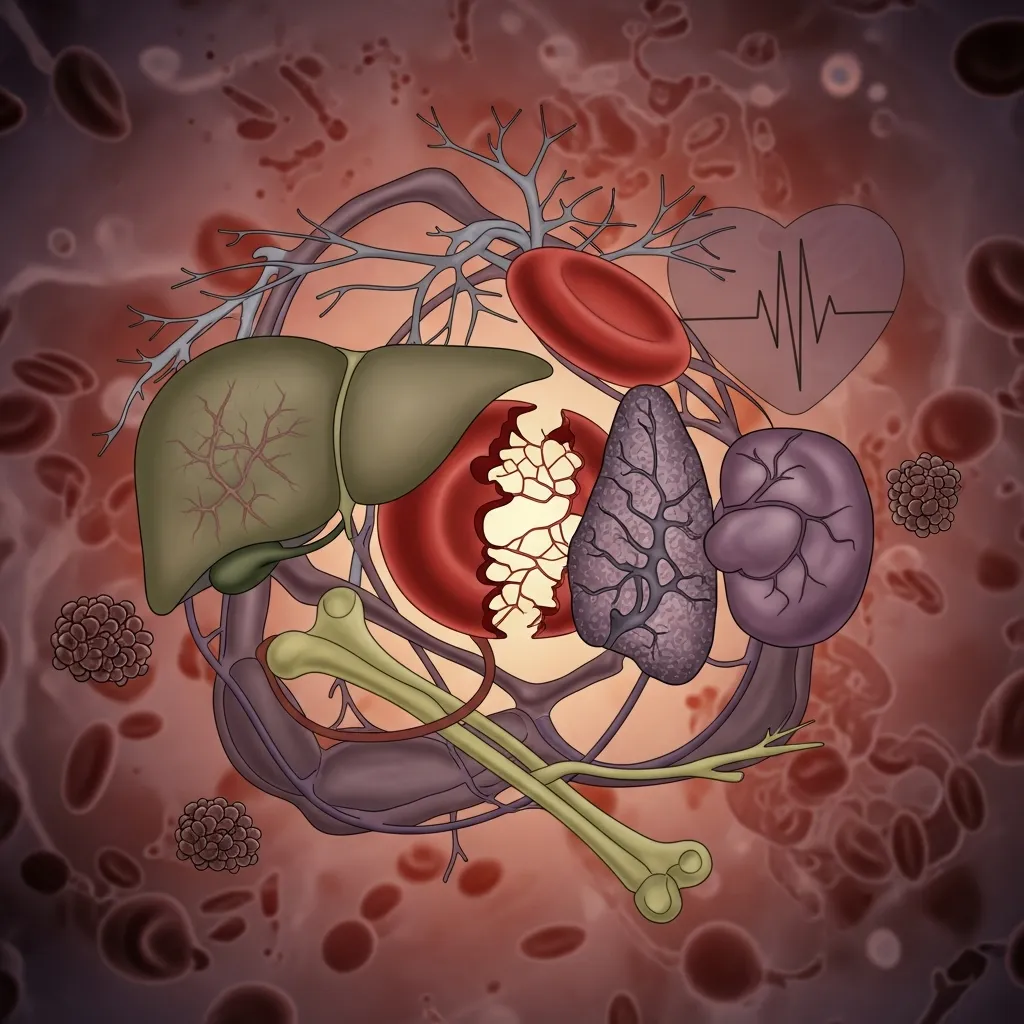 Even with the best medical care, patients must remain vigilant against several serious complications.
Iron Overload and Organ Damage
As mentioned, iron toxicity is a constant threat. If iron settles in the heart, it can cause dangerous arrhythmias and heart failure. When it accumulates in the liver, it causes cirrhosis. Iron can also damage the pancreas and thyroid, leading to diabetes and hypothyroidism.
Bone Problems
If anemia is not adequately controlled, the bone marrow expands drastically as it tries to produce more blood. This expansion thins the outer layer of the bones, making them fragile. Patients face a high risk of osteoporosis, bone pain, and frequent fractures.
Infections
People with thalassemia are highly susceptible to severe infections. This is partly due to the immune-suppressing effects of excess iron. Additionally, if a patient has their spleen surgically removed to reduce blood destruction, they lose a crucial part of their immune system.
Growth and Development Issues
Chronic anemia limits the oxygen available for normal tissue growth. Furthermore, iron damage to the pituitary gland can halt the production of growth hormones and delay the onset of puberty.
Psychological and Social Challenges
Managing a chronic illness is exhausting. Frequent hospital visits, nightly medications, and the anxiety of living with a serious health condition can lead to depression and social isolation. Mental health care is a vital component of treating the whole patient.
Factors Influencing Beta Thalassemia Life Span
A patient’s overall survival and well-being depend on several interconnected factors.
Adherence to Treatment Regimens
The single most critical factor for a long, healthy life is strictly following the prescribed transfusion and chelation schedules. Skipping medications allows toxic iron to accumulate rapidly, causing irreversible organ damage.
Quality of Medical Care and Access to Specialists
Thalassemia is a complex disease requiring a multidisciplinary team. Patients need hematologists, cardiologists, and endocrinologists working together. Access to specialized, comprehensive care centers dramatically improves outcomes.
Early Diagnosis and Intervention
Catching the disease early prevents the onset of severe childhood complications. Newborn screening programs help doctors begin life-saving interventions before the body suffers permanent damage.
Presence of Co-morbidities
Other health conditions, such as contracting Hepatitis C from older blood transfusions or developing diabetes from iron overload, can complicate treatment and impact overall survival.
Lifestyle and Nutritional Support
A healthy lifestyle reinforces medical treatments. Patients must carefully monitor their dietary iron intake while ensuring they get enough essential vitamins and minerals. Eating a balanced diet packed with antioxidants can help protect cells from oxidative stress. You can learn more about crafting safe, beneficial meals by exploring a dedicated thalassemia diet and nutrition plan.
Living with Beta Thalassemia: Daily Care and Quality of Life
Medical treatments keep the body functioning, but daily habits determine a patient’s actual quality of life.
Managing Daily Symptoms
Chronic fatigue and bone pain are common challenges. Patients must balance staying physically active to strengthen their bones with resting adequately to avoid exhaustion. Finding a routine that works requires patience and education. For practical advice on navigating these everyday hurdles, review these helpful thalassemia daily care tips.
Psychological Support and Coping Strategies
No one should face a chronic illness alone. Connecting with professional counselors helps patients process their anxiety and build resilience. Support groups offer a safe space to share fears and triumphs with people who truly understand the experience.
Educational and Vocational Planning
Frequent medical appointments can disrupt schooling and career progression. Schools and workplaces must provide reasonable accommodations. With proper planning and flexibility, people with thalassemia can achieve their academic and professional goals.
Building a Strong Support System
Family members, friends, and patient advocacy groups create a vital safety net. Organizations like the Cooley’s Anemia Foundation provide incredible resources, helping families navigate the complex healthcare system and advocating for better patient policies.
Research and Future Directions in Beta Thalassemia Treatment
The medical community continues to push the boundaries of science, searching for safer and more effective ways to treat this condition.
New Drug Development
Researchers are developing novel medications that help the body produce healthier red blood cells. These drugs aim to reduce the frequency of blood transfusions, thereby lowering the risk of iron overload and improving patient independence.
Advanced Gene-Editing Technologies
Beyond simply adding a new gene, scientists are exploring tools like CRISPR. This technology acts like molecular scissors, allowing researchers to directly edit and repair the patient’s flawed DNA. Other CRISPR approaches focus on turning fetal hemoglobin production back on, which can naturally compensate for the lack of adult hemoglobin.
Personalized Medicine Approaches
Because genetic mutations vary so widely, doctors are moving toward personalized medicine. By analyzing a patient’s specific genetic makeup, healthcare providers can tailor exact drug dosages, select the best chelation therapies, and predict potential complications long before they happen.
Looking Ahead to a Brighter Future
 The narrative surrounding this complex blood disorder has changed completely. Thanks to the standardization of safe blood transfusions and the development of effective iron chelation therapy, the beta thalassemia life span has been remarkably extended. What was once viewed as an insurmountable pediatric illness is now treated as a manageable chronic condition.
However, achieving these excellent outcomes requires rigorous daily commitment, access to highly specialized medical care, and strong psychological support. The global health community must continue advocating for equitable access to these life-saving treatments. You can explore the global initiatives dedicated to this cause through the World Health Organization. As advanced research moves gene-editing technologies out of the laboratory and into local clinics, the medical world inches closer to a reality where every patient has the opportunity for a permanent, accessible cure.
