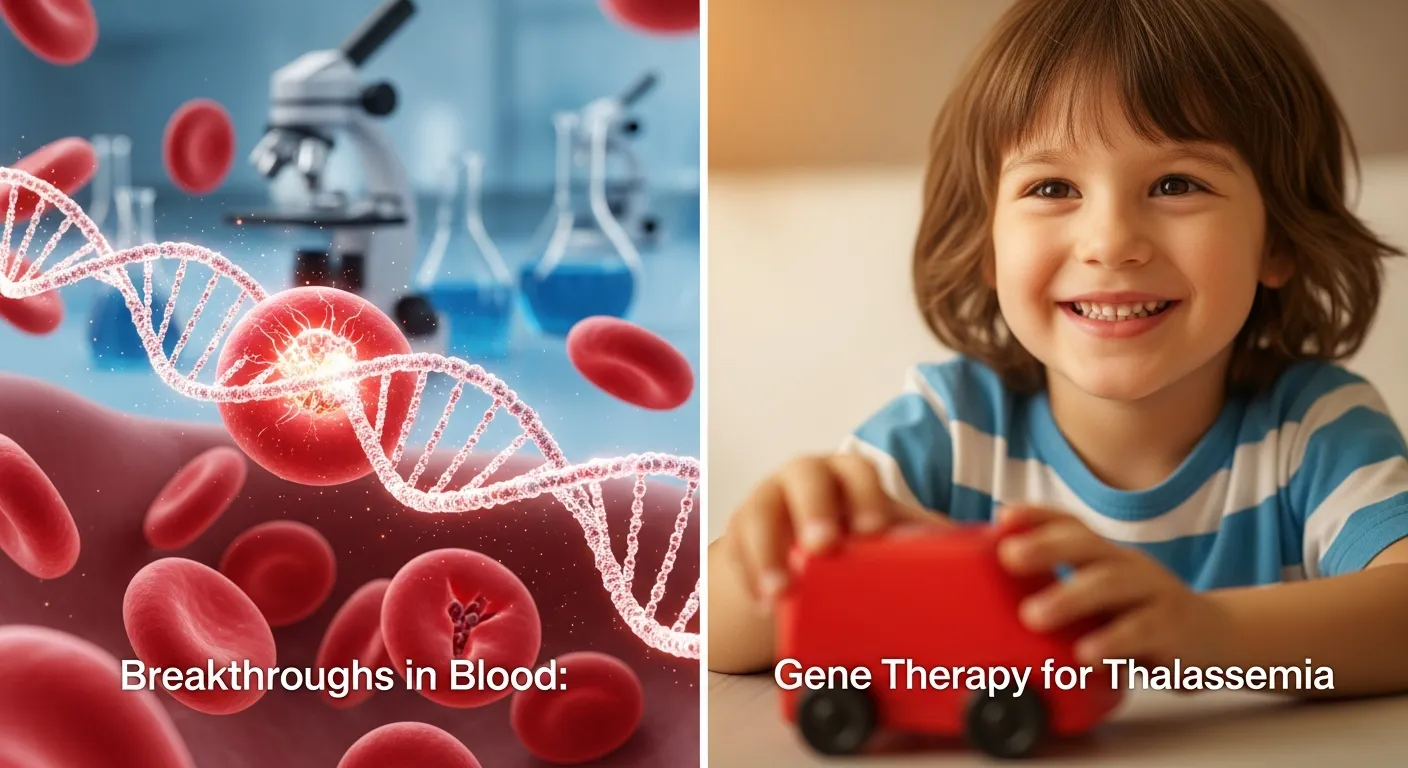
Gene therapy for thalassemia is an advanced treatment approach that targets the root genetic cause of the disease. It aims to correct faulty genes, offering long-term or potentially curative outcomes using innovations like CRISPR and stem cell therapy.
Living with a chronic blood disorder often means building your entire life around medical appointments. For people with thalassemia, frequent hospital visits are a familiar routine. Because their bodies struggle to produce enough healthy hemoglobin, patients rely heavily on routine medical interventions just to maintain their energy levels and protect their organs from damage. This lifelong management requires immense resilience from patients and their families.
Thalassemia is an inherited condition that disrupts the production of hemoglobin, the essential protein that carries oxygen inside red blood cells. Depending on the specific genetic mutation, individuals face varying degrees of severe anemia. Until recently, the primary method of managing this condition involved a grueling schedule of regular blood transfusions, often paired with iron chelation therapy to remove the dangerous buildup of iron caused by the transfused blood.
While these conventional treatments have successfully extended life expectancies, they do not cure the underlying problem. They merely manage the symptoms. The physical toll of the disease, combined with the side effects of continuous treatment, leaves a heavy burden on patients. Medical researchers have long searched for a way to fix the root cause of the disorder rather than just treating its effects.
This search has led to a remarkable medical frontier: gene therapy for thalassemia. By targeting the exact genetic errors that cause the disease, scientists are developing ways to restore normal hemoglobin production. This groundbreaking approach, known as gene therapy for thalassemia, offers the tantalizing possibility of a functional cure, freeing patients from the endless cycle of transfusions and hospital stays.
Understanding Gene Therapy: The Basics
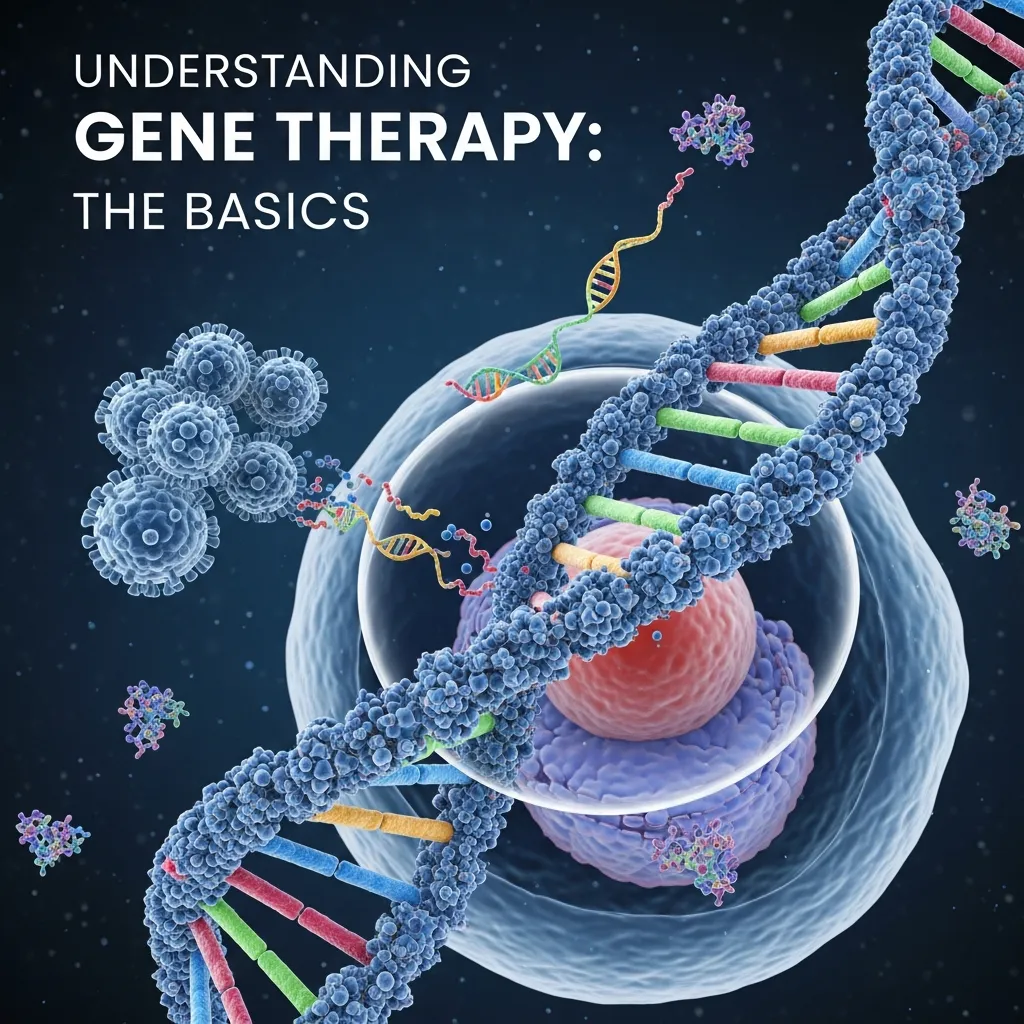 To appreciate how this new treatment works, you first need to understand the basic mechanics of your DNA. Genes act as instruction manuals for your cells. When a gene contains a mutation, the cell receives the wrong instructions. Gene therapy for thalassemia aims to correct these faulty instructions.
How Gene Therapy Works
At its core, gene therapy for thalassemia involves altering the genetic material within a patient’s own cells. Doctors first extract blood-forming stem cells from the patient’s bone marrow or bloodstream. They then transport these cells to a specialized laboratory. In the lab, scientists introduce functional copies of the affected gene into the stem cells or use advanced tools to repair the existing faulty genes.
Once the cells are successfully modified, the patient undergoes a conditioning treatment, similar to mild chemotherapy, to make room in the bone marrow. Finally, the newly corrected stem cells are infused back into the patient’s body. These cells settle into the bone marrow and begin producing healthy red blood cells with functional hemoglobin, which is the main goal of gene therapy for thalassemia.
Types of Gene Therapy Approaches
There are two primary approaches used to treat genetic blood disorders like thalassemia.
The first is gene addition. As the name suggests, this method involves inserting a brand-new, healthy copy of the hemoglobin gene into the patient’s cells. The original faulty gene remains, but the new gene takes over the heavy lifting, producing enough healthy hemoglobin to overcome the deficit.
The second approach is gene editing. Instead of adding a new gene, scientists use molecular tools to directly alter the patient’s existing DNA. They might repair the specific mutation causing the disease or tweak regulatory genes to force the body to produce a different type of hemoglobin, such as fetal hemoglobin, improving outcomes in gene therapy for thalassemia.
Historical Context and Evolution
The concept of gene therapy is not entirely new. Researchers have explored treating genetic diseases at the DNA level for decades. However, early attempts faced significant safety hurdles, particularly concerning how the new genetic material was delivered into the cells.
Over the past twenty years, technology has advanced exponentially. Scientists developed highly sophisticated, modified viruses—stripped of their ability to cause illness—that can safely carry therapeutic genes into human cells. These breakthroughs have made gene therapy for thalassemia safer and more effective, paving the way for modern clinical treatments.
Gene Therapy for Thalassemia: Current Advancements
The scientific community has made massive strides in applying these techniques specifically to hemoglobin disorders. Patients now have access to therapies that were once considered science fiction just a generation ago, especially through gene therapy for thalassemia.
Lentiviral Gene Addition Therapies
One of the most successful methods currently in use involves lentiviral vectors. Researchers use a highly modified, harmless lentivirus as a delivery vehicle to carry a functional beta-globin gene into the patient’s harvested stem cells. Once inside, the gene integrates into the cell’s DNA.
This approach has already reached the market. Therapies utilizing gene therapy for thalassemia have shown remarkable success in helping patients achieve transfusion independence. By producing functional adult hemoglobin, the body can sustain healthy oxygen levels on its own, drastically reducing or completely eliminating the need for donor blood.
CRISPR-Cas9 Gene Editing
CRISPR-Cas9 has revolutionized molecular biology. This tool acts like a pair of molecular scissors, guided by a specific RNA sequence to a precise location in the DNA. For thalassemia, researchers use CRISPR not to fix the mutated adult hemoglobin gene, but to switch on the production of fetal hemoglobin.
Normally, the body stops making fetal hemoglobin shortly after birth. By using CRISPR to disable the genetic “off switch” (a gene called BCL11A), the stem cells resume producing fetal hemoglobin. This form of gene therapy for thalassemia allows the body to maintain effective oxygen delivery and significantly reduces disease symptoms, even in adults.
Base Editing and Prime Editing Technologies
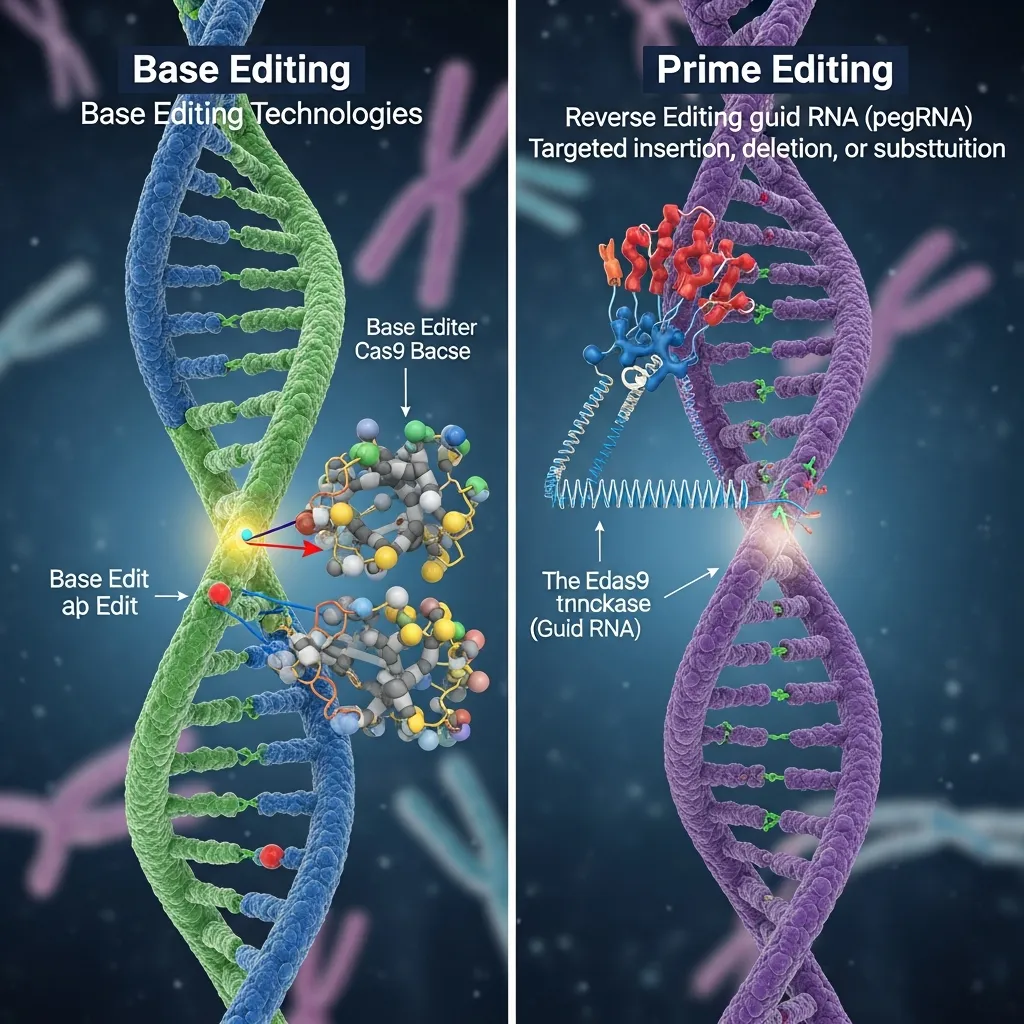 While CRISPR-Cas9 is incredibly effective, it works by making double-strand breaks in the DNA, which can occasionally lead to unintended genetic changes. Scientists are now refining even more precise tools. Base editing allows researchers to change a single DNA letter (a nucleotide) without cutting the DNA strand completely.
Prime editing takes this a step further, acting like a word processor that can search and replace larger stretches of DNA text. These next-generation tools hold the promise of correcting the exact mutations that cause the different types of thalassemia alpha vs beta, potentially offering safer and more tailored treatments in the future.
Key Clinical Trials and Their Findings
The transition from laboratory research to approved medical treatment relies entirely on rigorous clinical trials. These studies provide the critical data needed to prove that gene therapy for thalassemia is both safe and effective.
Major Gene Therapy Trials for Beta-Thalassemia
Several landmark clinical trials have focused on beta-thalassemia, the most common severe form of the disease. Trials testing lentiviral gene addition have consistently shown that a vast majority of patients with transfusion-dependent beta-thalassemia can stop receiving transfusions entirely.
Similarly, trials utilizing CRISPR-Cas9 have reported astounding results. Patients who previously required blood transfusions every few weeks have maintained healthy hemoglobin levels for years after a single treatment. You can review the structure of these ongoing studies through databases like the clinical trials registry.
Trials for Alpha-Thalassemia
Alpha-thalassemia presents a different set of challenges. The most severe form is often fatal before birth, making postnatal gene therapy for thalassemia difficult to implement. However, researchers are beginning to explore in-utero gene therapy, attempting to deliver healthy genes to the fetus during pregnancy.
For patients with Hemoglobin H disease—a moderate form of alpha-thalassemia—clinical trials are currently investigating whether gene therapy for thalassemia using gene addition or gene editing techniques can safely elevate hemoglobin levels enough to relieve symptoms and prevent long-term organ damage.
Patient Outcomes and Efficacy
The clinical data collected so far is overwhelmingly positive. Patients who achieve transfusion independence through gene therapy for thalassemia report massive improvements in their physical energy and mental well-being. They no longer suffer from the chronic fatigue associated with severe anemia, and their risk of iron overload drops significantly. However, long-term monitoring remains essential to ensure these modified stem cells continue to produce healthy blood decades after the initial procedure.
Gene Therapy for Thalassemia
Despite the incredible successes, gene therapy for thalassemia is not without its hurdles. The medical community must address several significant challenges before these treatments can become the standard of care for every patient.
Safety Concerns and Potential Side Effects
The process of receiving gene therapy for thalassemia is physically demanding. Before the modified stem cells are reinfused, patients must undergo myeloablative conditioning. This intense chemotherapy wipes out the existing bone marrow to make room for the new cells. This step carries severe risks, including vulnerability to life-threatening infections, prolonged hospitalization, and potential infertility.
Additionally, researchers must carefully monitor patients for off-target genetic effects. While modern tools are highly precise, there is always a slight risk that altering DNA could unintentionally disrupt other important genes, potentially increasing the risk of cellular abnormalities over time.
Accessibility and Cost Implications
The most glaring obstacle facing gene therapy for thalassemia is its staggering cost. Developing, manufacturing, and administering personalized genetic treatments requires highly specialized facilities and expertise. Consequently, these therapies frequently carry price tags exceeding two million dollars per patient.
This creates a massive barrier to access. The vast majority of people suffering from thalassemia live in low- and middle-income countries where healthcare systems cannot absorb such astronomical costs. Without innovative pricing models and global health initiatives, the benefits of gene therapy for thalassemia will remain restricted to a very small fraction of the global patient population.
Ethical Considerations
The ability to edit human DNA brings profound ethical responsibilities. Medical professionals must ensure that patients fully understand the experimental nature of newer gene therapy for thalassemia techniques and the intense physical demands of the conditioning process. Furthermore, the stark disparity in who can afford these life-saving treatments raises urgent questions about global health equity.Organizations like the Centers for Disease Control and Prevention advocate for continued dialogue regarding how to distribute advanced medical technologies fairly.
The Future of Gene Therapy for Thalassemia
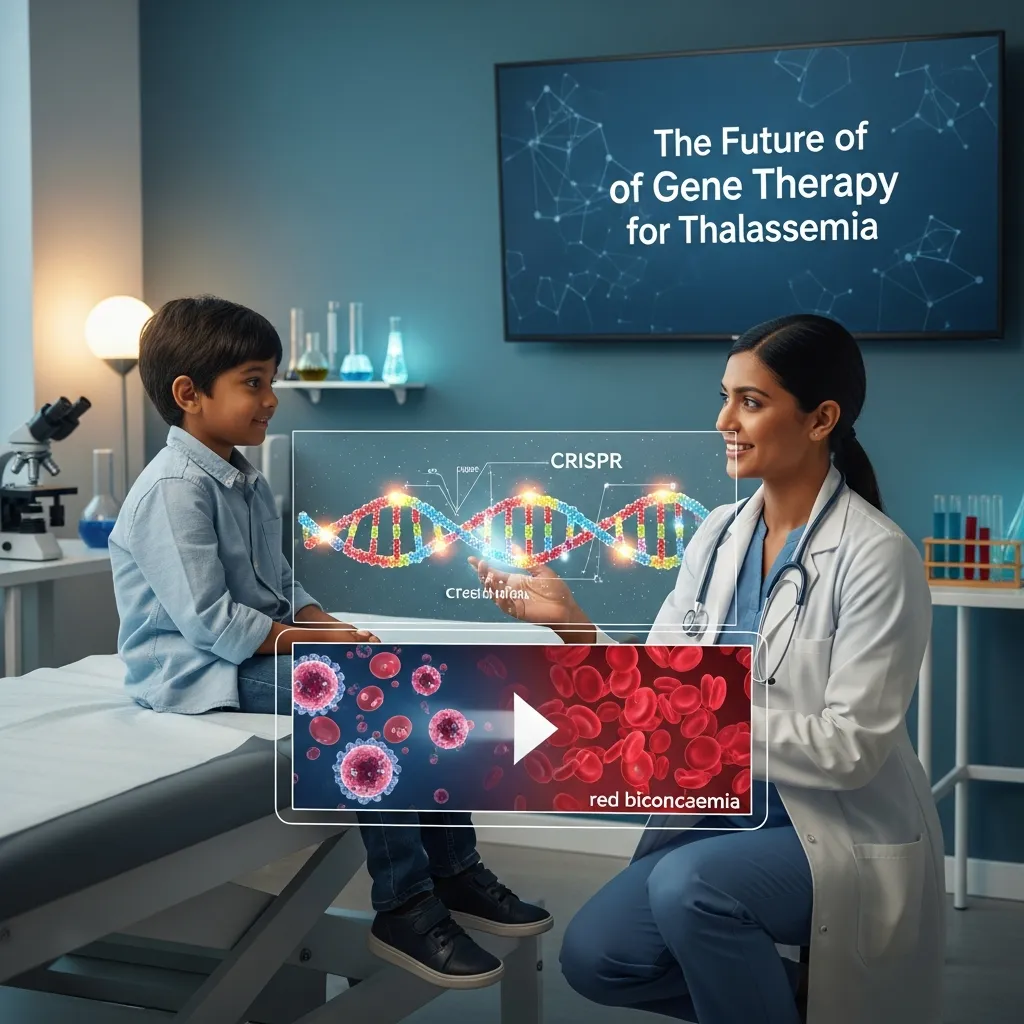
The rapid pace of genetic research suggests that the current therapies are only the first generation of what will eventually become highly refined, accessible treatments.
Ongoing Research and Development
Scientists are heavily focused on making the treatment process safer and less toxic. A major area of research involves developing targeted conditioning regimens. Instead of using harsh chemotherapy to clear the bone marrow, researchers are testing specialized antibodies that gently remove the defective stem cells without harming the rest of the body. This advancement would drastically reduce the side effects and hospital time required for the procedure.
Potential for Broader Application
As gene editing tools become more precise, they will likely be applied to a wider range of genetic mutations. If researchers can perfect non-viral delivery systems—such as lipid nanoparticles—they might eventually be able to deliver the gene-editing machinery directly into the patient’s bloodstream with an IV drip, bypassing the need to extract and modify stem cells in a laboratory altogether.
Impact on Patient Quality of Life
The ultimate goal of all this research is to restore normal health. If you are currently working with an anemia treatment doctor to manage chronic symptoms, the prospect of a single, curative treatment is life-changing. Eliminating the need for constant medical intervention allows patients to pursue careers, travel, and build families without the constant shadow of a chronic illness dictating their schedules.
A New Era in Blood Disorder Treatment
Gene therapy for thalassemia represents one of the greatest medical triumphs of the modern era. By correcting the disease at its genetic source, science is offering a genuine chance at a healthy, transfusion-free life for patients who previously had few options. While the scientific community still has much work to do regarding the safety, cost, and global accessibility of these treatments, the foundation has been firmly laid.
The successful clinical trials and the sheer resilience of the patients participating in them have proven that a cure is no longer just a theoretical concept. As technology continues to evolve, the medical world moves steadily closer to a future where inherited blood disorders are treated swiftly, safely, and permanently.
FAQ
1. What is gene therapy for thalassemia?
Gene therapy for thalassemia is an advanced treatment that aims to correct or replace faulty genes responsible for abnormal hemoglobin production.
2. Can gene therapy for thalassemia cure the disease?
In many cases, it can provide long-term or potentially curative outcomes by restoring healthy hemoglobin production.
3. How does gene therapy for thalassemia work?
It works by modifying a patient’s stem cells in a lab and reinfusing them so they can produce healthy red blood cells.
4. What are the main types of gene therapy used?
The two main types are gene addition therapy and gene editing techniques like CRISPR-Cas9.
5. Is gene therapy for thalassemia safe?
It has shown promising results, but it still carries risks such as side effects from conditioning chemotherapy and genetic uncertainties.
6. Who is eligible for gene therapy?
Eligibility depends on disease severity, overall health, and clinical trial or treatment guidelines set by specialists.
7. What is the success rate of gene therapy for thalassemia?
Early clinical data shows many patients achieve transfusion independence, but long-term outcomes are still being studied.
8. Why is gene therapy so expensive?
It requires complex research, personalized cell processing, and highly specialized medical facilities.
9. What are the risks of gene therapy?
Risks include infection from conditioning treatment, possible genetic side effects, and long recovery periods.
10. Is gene therapy widely available?
Currently, it is limited to specialized centers and clinical programs in select countries.
Conclusion
Gene therapy for thalassemia represents one of the most promising breakthroughs in modern medicine, offering the potential to treat the disease at its genetic root rather than just managing symptoms. While current results are encouraging, challenges such as high costs, safety concerns, and limited accessibility still exist. As research continues to advance, gene therapy for thalassemia may become a widely available and potentially curative option, transforming the future of care for patients worldwide.